Skip to main content
Major Wine Grape Varieties: The Essential Guide for Collectors
For the true connoisseur, wine is not just a beverage; it is a living document of history, terroir, and botany. Understanding the fundamental building blocks the grapes themselves is the first, most critical step in building a fine wine collection of true distinction. From the most famous appellations of Bordeaux to the rare indigenous grape varieties of Italy and the rising stars of the New World, every bottle tells a story that begins in the vineyard.
The landscape of viniculture is vast, encompassing thousands of different grapes. Yet, only a handful are responsible for the vast majority of the world’s most sought-after and collectible wines. These are the major wine grape varieties the pillars of the industry. This essential guide, curated by the experts at Vintage Cellar, delves deep into the profiles, characteristics, and historical significance of the most important wine grapes known today.
The Noble Grapes of the World: A Foundation of Quality
At the heart of fine wine collecting lies a collection of six international superstars three red and three white historically referred to as the noble grapes of the world. These classic grape varietals achieved their status because they can produce exceptional, age-worthy wines across diverse climates and are consistently recognized as the global benchmark for quality.
Understanding these six major wine grape varieties is the foundational knowledge required for any serious collector engaging in wine tasting by grape variety.
The Big Three Red Noble Grapes
The identity of a red wine is defined by its red wine grape characteristics. These attributes, including skin thickness, acidity, and flavor compounds, determine the wine’s structure and its potential for long-term aging.
Cabernet Sauvignon: The King of Structure
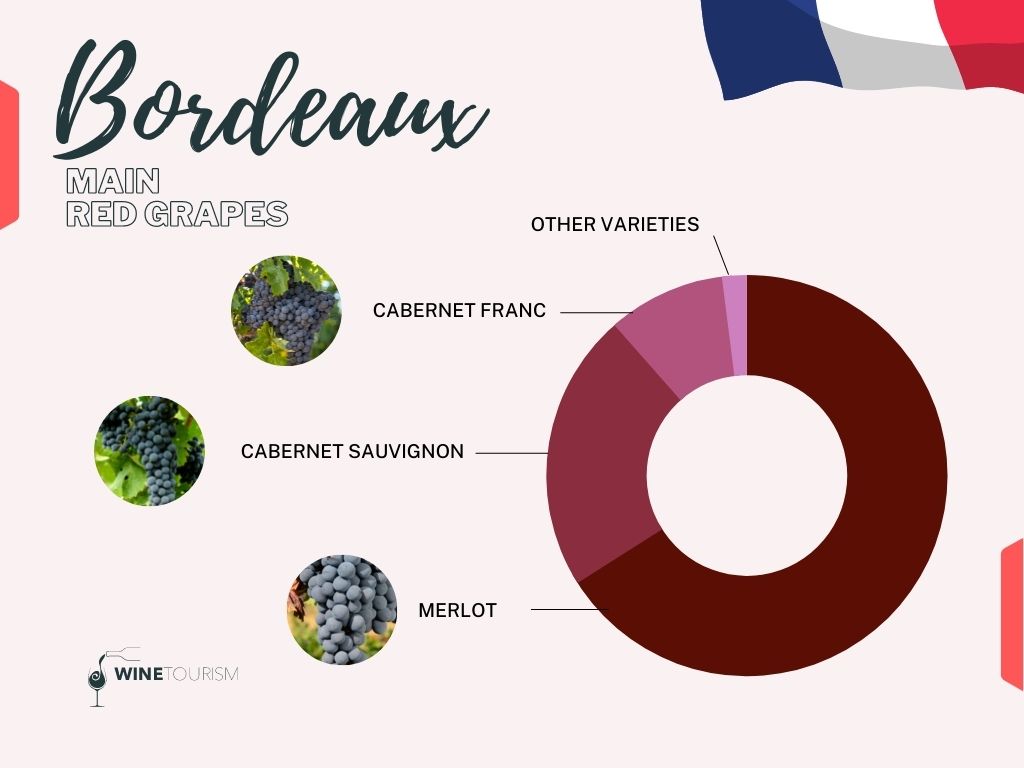
Cabernet Sauvignon is arguably the most important wine grapes in the world for investment-grade reds. It is a workhorse that thrives in diverse environments, from Bordeaux’s Left Bank to California’s Napa Valley.
- Red Wine Grape Characteristics: Thick skins, late-budding, and high tannins. Its thick skin is the key factor in how grape skins affect wine, imparting deep color and a robust structure that allows it to age for decades.
- Flavor Profile: Blackcurrant (cassis), cedar, graphite, and mint. With age, these notes evolve into complex tertiary flavors of tobacco, leather, and cigar box.
- Classic Grape Varietals Context: Cabernet Sauvignon forms the structural backbone of Vintage Cellar’s most significant offerings from Bordeaux, where it is often blended with Merlot.
- Merlot: The Partner in Elegance
Merlot is the crucial component that provides balance, often softening the severe structure of Cabernet Sauvignon. Understanding the subtle difference between Cabernet and Merlot is vital for any collector. While Cabernet provides backbone, Merlot offers flesh and roundness.
- Red Wine Grape Characteristics: Thinner skins and earlier-ripening than Cabernet. This results in less tannin and a softer, more plush mouthfeel.
- Flavor Profile: Plum, red cherry, chocolate, and herbal notes. In its most celebrated expressions, such as Pomerol, it develops silky, earthy notes with age.
- Difference Between Cabernet and Merlot: The fundamental difference between Cabernet and Merlot is structure: Cabernet is higher in tannin and acidity, whereas Merlot is more approachable and fruit-driven, ripening earlier in the season.
- Pinot Noir: The Delicate Masterpiece
Pinot Noir is the most challenging of the major wine grape varieties to cultivate but is responsible for the ethereal quality of fine Burgundy.
- Red Wine Grape Characteristics: Thin skins, tightly packed bunches, and low yield. Its thin skin means the resulting wines are lighter in color and lower in tannin compared to Cabernet.
- Pinot Noir Flavor Profile: Highly complex. Dominant primary notes include red cherry, raspberry, and strawberry, evolving into savory, earthy, and mineral secondary notes of forest floor, mushroom, and subtle spices.
- Wine Tasting by Grape Variety: The ultimate test of wine tasting by grape variety is identifying the subtle nuances in a top-tier Pinot Noir, which can range from floral elegance to deep, savory complexity.
The Big Three White Noble Grapes
White wines offer a completely different spectrum of complexity, with white wine grape profiles ranging from lean and mineral to rich and buttery.
Chardonnay: The Sculptor’s Clay
Chardonnay is known as the “winemaker’s grape” because it is a neutral canvas that readily takes on the character of its terroir and the style of vinification.
- White Wine Grape Profiles: Highly adaptable and neutral. It thrives in Chablis (resulting in steely, mineral wines) and Burgundy’s Côte de Beaune (resulting in richer, oaked wines).
- Chardonnay Wine Styles: This is the grape with the widest range of Chardonnay wine styles. Unoaked styles emphasize freshness, green apple, and citrus. Oaked styles undergo malolactic conversion and extended barrel aging, yielding creamy textures and notes of vanilla, butter, and toast.
- Most Important Wine Grapes Context: Chardonnay is one of the most important wine grapes globally, used in still wines and as a key component in Champagne.
Riesling: The Aromatic Chameleon
Riesling is the world’s greatest aromatic white grape, capable of producing exceptional wines ranging from bone-dry to lusciously sweet.
- White Wine Grape Profiles: High natural acidity and intense aromatic compounds.
- Flavor Profile: Lime, green apple, jasmine, and petrol (or diesel) notes in aged vintages. The high acidity preserves the wine, allowing it to age for decades, similar to the red wine grape characteristics of Cabernet.
Sauvignon Blanc: The Zesty Expression
Sauvignon Blanc is known for its pungent, herbal, and refreshing character.
- White Wine Grape Profiles: Early-ripening and highly aromatic.
- Flavor Profile: Grapefruit, passionfruit, cut grass, and bell pepper (pyrazines). It is the backbone of Sancerre and Pouilly-Fumé.
- Wine Tasting by Grape Variety: Wine tasting by grape variety is often easiest with Sauvignon Blanc due to its distinctive, highly recognizable profile.
Understanding Red Wine Grape Characteristics and Structure
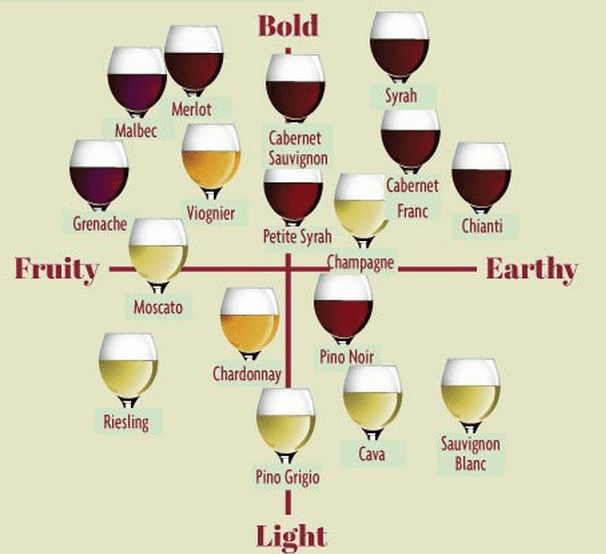 The deep color and age-worthiness of collectible red wine are not arbitrary; they are the direct result of the specific red wine grape characteristics. For the collector acquiring rare vintages through Vintage Cellar, knowing these traits is fundamental to assessing potential quality and cellar life.
The Science of Color and Tannin: How Grape Skins Affect Wine
The most significant factor in creating complex, structured red wine is the skin. This is the essence of how grape skins affect wine.
- Tannins: These compounds reside mainly in the grape skins, stems, and seeds. They are extracted during fermentation. Tannins provide the bitter, drying sensation in your mouth and are the primary preservative in red wine. Thick-skinned grapes like Cabernet Sauvignon and Nebbiolo are high in tannins, leading to wines with immense aging potential. Conversely, thin-skinned grapes like Pinot Noir are low in tannins, requiring excellent wine collection management to age gracefully.
- Color (Anthocyanins): The purple, red, and blue pigments Anthocyanins are also stored exclusively in the grape skins. The duration of contact between the juice and the skins (how grape skins affect wine during fermentation) determines the final color depth. The deep, inky hue of a Syrah is a visual cue of its robust red wine grape characteristics.
- Red Wine Grape Characteristics Summary: The greater the skin-to-pulp ratio and the thicker the skin, the higher the concentration of tannins and pigments, resulting in a wine built for investment and long-term cellaring.
The Difference Between Cabernet and Merlot in Practice
The difference between Cabernet and Merlot is best understood through the lens of a classic Bordeaux blend. The primary function of Cabernet in this blend is structure; its tannins provide the framework and longevity. The role of Merlot is twofold: it softens the blend, making the wine more approachable in its youth, and it adds richness and mid-palate complexity.
Knowing the difference between Cabernet and Merlot allows the collector to predict a wine’s performance. A Left Bank (Cabernet-heavy) Bordeaux will require more time in the cellar, demanding meticulous wine collection management. A Right Bank (Merlot-heavy) Bordeaux is often ready to drink sooner.
Deep Dive into Major Wine Grape Varieties: Specific Profiles
Beyond the foundational noble grapes, several other major wine grape varieties are crucial for building a fine wine collection and warrant detailed exploration.
Syrah (Shiraz): The Powerful Aromatic
Syrah, known as Shiraz in Australia, is another of the most important wine grapes, celebrated for its intensity and power.
- Pinot Noir Flavor Profile Contrast: Syrah stands in stark contrast to the delicate Pinot Noir flavor profile. Where Pinot is light, subtle, and savory, Syrah is dark, bold, and heavily spiced.
- Flavor Profile: Dark fruit (blackberry, black cherry), black pepper, smoke, and sometimes a characteristic meaty or cured-olive note.
- Wine Tasting by Grape Variety: Wine tasting by grape variety often highlights Syrah’s savory nature, making it a great pairing partner for grilled meats, reflecting its robust red wine grape characteristics.
Sangiovese: Italy’s Heartbeat
Sangiovese is the backbone of Tuscany, responsible for Chianti Classico, Brunello di Montalcino, and Super Tuscans.
- Red Wine Grape Characteristics: High acidity and moderate to high tannins. This high acidity is essential for wine collection management, ensuring the wine’s vibrancy over decades.
- Flavor Profile: Sour cherry, tomato leaf, dried herbs, and earthy tea leaves. Its signature high acidity makes it an incredible classic grape varietals partner for Italian food.
Nebbiolo: The True Noble
Often considered the finest Italian red, Nebbiolo is the heart of Barolo and Barbaresco. Despite its light color (similar to Pinot Noir), its red wine grape characteristics are immense.
- Noble Grapes of the World Context: Many argue Nebbiolo deserves inclusion among the noble grapes of the world due to its age-worthiness and complexity.
- Pinot Noir Flavor Profile Contrast: While similar in color to Pinot Noir, Nebbiolo is drastically different. It has searingly high tannins and acidity, demanding decades of aging. Its Pinot Noir flavor profile comparison reveals Barolo’s notes of roses, tar, and licorice, which are far more intense than Pinot’s delicate forest floor.
White Wine Grape Profiles and Vinification Styles
For white wines, the white wine grape profiles are shaped not only by the vineyard but also heavily by the cellar master’s technique.
Chardonnay Wine Styles: The Impact of Vinification
The different Chardonnay wine styles are perhaps the most illustrative example of how human influence impacts a grape.
- Unoaked (Chablis): The winemaker eschews oak, focusing on the pure white wine grape profiles of the terroir. The result is lean, highly acidic, and mineral-driven.
- Oaked (California/Meursault): The wine is fermented and/or aged in new oak barrels, often undergoing malolactic conversion. This creates the rich, creamy texture and the desirable vanilla, hazelnut, and buttery secondary flavors. The wide range of Chardonnay wine styles provides a wealth of options for the collector.
- Classic Grape Varietals Context: Both styles are considered classic grape varietals, showcasing the grape’s versatility.
The Aromatic Spectrum: Viognier and Gewürztraminer
These aromatic varieties offer intensely expressive white wine grape profiles.
- Viognier: Known for its signature notes of peach, apricot, and honeysuckle. It has a slightly oily texture and often high alcohol.
- Gewürztraminer: Easily identifiable by its pungent bouquet of lychee, rose petals, and ginger. Its white wine grape profiles are distinctive and rarely confused with other varieties during wine tasting by grape variety.
Beyond the Classics: Rare Indigenous Grape Varieties
For the sophisticated collector, the next level of discovery lies in the rare indigenous grape varieties. These are grapes that have evolved in isolation for centuries, offering unique and distinct red wine grape characteristics and flavor profiles unavailable elsewhere. Vintage Cellar specializes in sourcing these hard-to-find treasures.
Why Rare Indigenous Grape Varieties Matter
Focusing solely on the noble grapes of the world misses out on the incredible diversity that defines the future of collecting.
- Uniqueness: Rare indigenous grape varieties, such as Greece’s Xinomavro or Italy’s Aglianico, offer flavor and structure unlike the international classic grape varietals. Xinomavro, for example, shares the high tannin and acidity of Nebbiolo but has a pronounced tomato-olive savory note.
- Investment Opportunity: Often overlooked by mass markets, certain rare indigenous grape varieties are gaining critical acclaim, presenting excellent investment opportunities before prices skyrocket.
- How Grape Skins Affect Wine Diversity: These rare grapes demonstrate unique adaptations in how grape skins affect wine. Consider Aglianico, which has thick skins and extreme concentration, giving it the potential to age longer than many Bordeaux Cabernets.
Integrating Rare Grapes into a Collection
A well-rounded cellar moves beyond only the most important wine grapes and integrates these unique expressions. When performing wine tasting by grape variety, a vertical of a rare indigenous grape varieties like Aglianico provides a fascinating contrast to the familiar Pinot Noir flavor profile or Chardonnay wine styles.
The Collector’s Discipline: Storage, Education, and Vintage Cellar
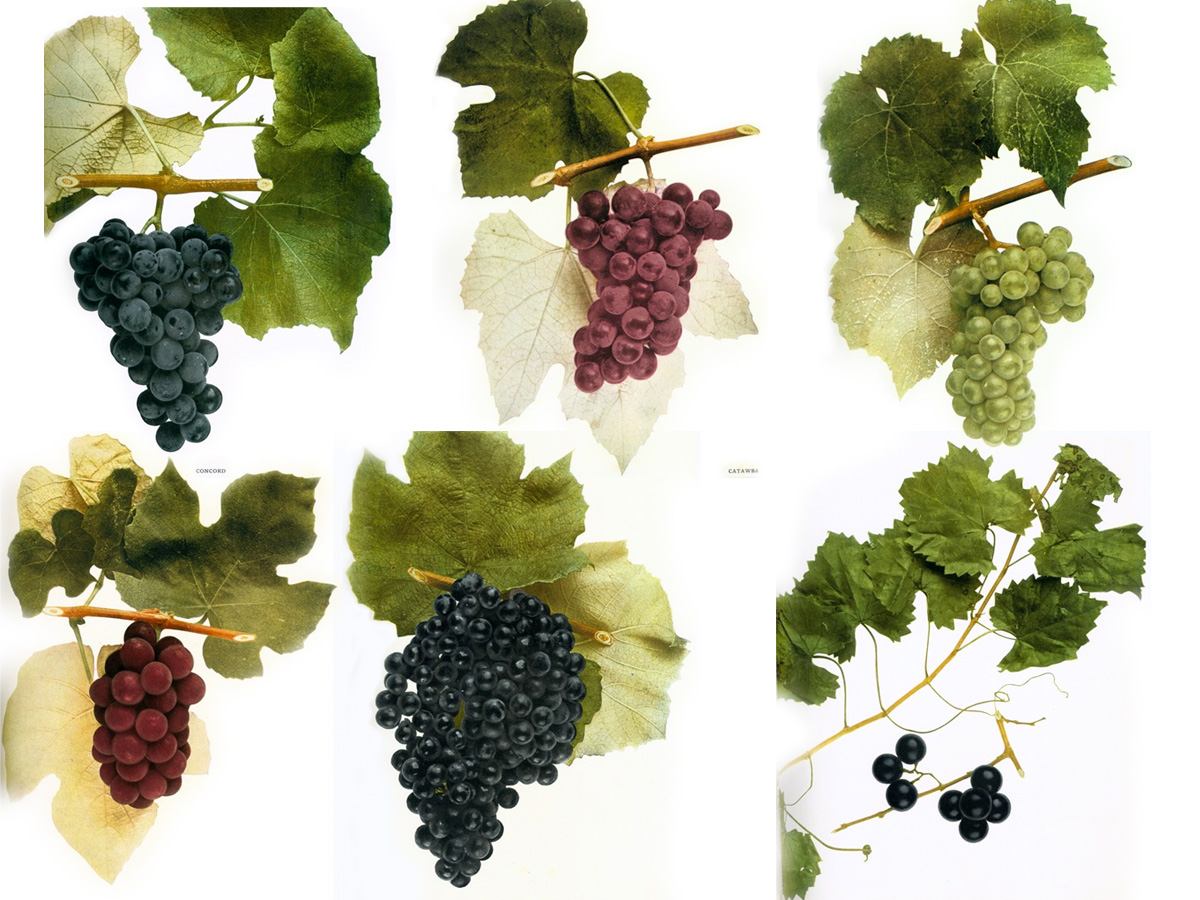
Mastering the major wine grape varieties is only half the battle. The other half is ensuring that these classic grape varietals are managed and protected to realize their full potential.
The Role of Wine Collection Management
Knowing the red wine grape characteristics is key to proper storage. Tannic wines, like those made from Cabernet Sauvignon, require long-term rest. Delicate wines, like Pinot Noir, require gentle handling and hyper-stable conditions. This knowledge informs effective wine collection management.
- Storage Requirements: The noble grapes of the world demand constant temperature (12–15°C) and humidity (70%). Fluctuations ruin the wine’s delicate structure, especially for thin-skinned varieties.
- Inventory: Advanced wine collection management tracks not just the wine’s location, but its optimal drinking window, which is determined by the inherent red wine grape characteristics.
The Value of Wine Tasting by Grape Variety
To deepen your appreciation, engaging in wine tasting by grape variety is essential. Try comparative tastings: sample an oaked and unoaked example of the same vintage of Chardonnay to truly understand the range of Chardonnay wine styles. Taste Cabernet Sauvignon next to Merlot to isolate the difference between Cabernet and Merlot on your palate. Compare a Syrah to a Pinot Noir to understand the vast spectrum of Pinot Noir flavor profile possibilities.
Vintage Cellar offers advisory services specifically designed to guide these educational tastings, helping you translate theoretical knowledge of the major wine grape varieties into sensory expertise.
Final Word on the Major Wine Grape Varieties
From the robust structure of Cabernet Sauvignon a pillar of the noble grapes of the world to the nuanced complexity of rare indigenous grape varieties, the world of wine grapes is a journey of endless discovery. The key to successful collecting is knowledge, and understanding the how grape skins affect wine, the difference between Cabernet and Merlot, and the array of Chardonnay wine styles empowers you to make informed decisions.
By partnering with Vintage Cellar, you gain access not only to the most important wine grapes and their best expressions but also to the expertise required for flawless wine collection management and authentication, ensuring your collection reflects the very best of the world’s major wine grape varieties. So why wait contact us here.