Skip to main content
Vintage Bordeaux Wine: 7 Spectacular Ratings for Investors
In the world of alternative assets, few commodities carry the prestige, historical weight, and consistent ROI of vintage bordeaux wine. For the discerning collector, a bottle from the Médoc or Saint-Émilion is not merely a purchase; it is a stake in a centuries-old tradition of viticultural excellence. However, navigating the secondary market requires more than just a deep pocket; it requires a sophisticated understanding of data, provenance, and the nuance of climate.
At Vintage Cellar, we specialize in the procurement and management of these liquid assets. We understand that the difference between a high-performing portfolio and a collection of “vinegar” lies in the ability to interpret a Bordeaux vintage chart with forensic precision. This guide explores the seven spectacular ratings and vintage profiles that every investor must know to succeed in the modern market.
The Foundation: Deciphering Bordeaux Wine Vintage Ratings
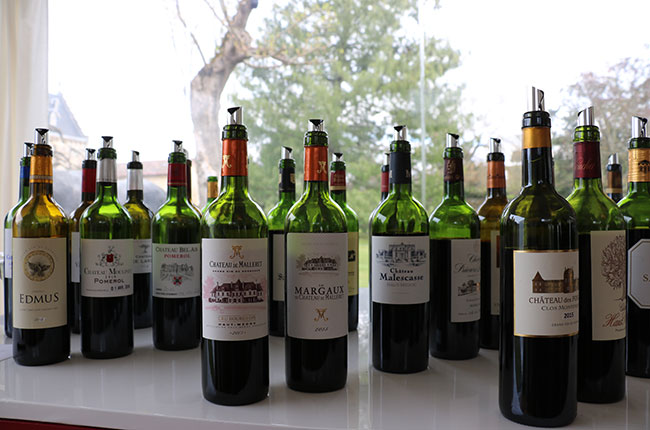 To begin any journey into the world of vintage bordeaux wine, one must first understand the metrics of success. Bordeaux wine vintage ratings are the primary language of the trade. These scores, often provided by critics like Robert Parker, Jancis Robinson, and Neal Martin, provide a shorthand for the quality of a growing season.
The Role of the Bordeaux Vintage Chart
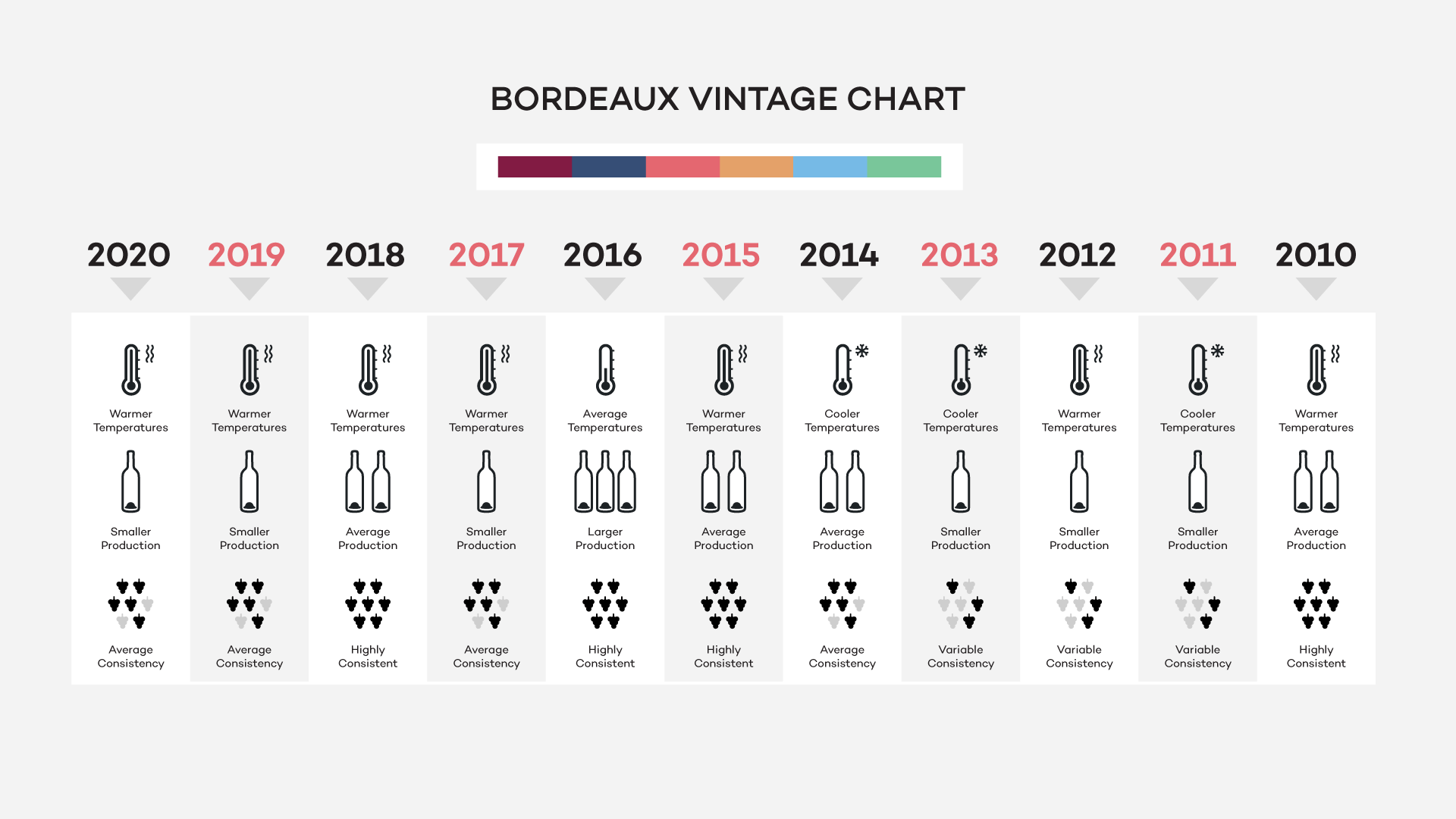
A Bordeaux vintage chart is more than a list of numbers; it is a meteorological map. It tells the story of the sunlight hours, the rainfall in millimeters, and the diurnal temperature shifts during the critical ripening months of August and September. For instance, the aging potential of Bordeaux wine is often determined by the concentration of anthocyanins and tannins, which are directly influenced by these weather patterns.
Investors use these charts to identify “investment-grade” years. A year rated 95–100 points on a reputable Bordeaux vintage chart typically signifies a harvest where the grapes achieved physiological ripeness without losing acidity. At Vintage Cellar, we use these charts as the first filter in our rare Bordeaux wine sourcing process, ensuring that we only recommend bottles with the structural integrity to withstand decades of cellaring.
Understanding Bordeaux Red Wine Scores
While the vintage rating gives an overview of the region, Bordeaux red wine scores provide the specifics for individual châteaux. A 100-point score for Château Latour in a 90-point year indicates a property that transcended its climatic challenges through superior terroir or technical skill. For those buying vintage Bordeaux for cellaring, these individual Bordeaux red wine scores are the gold standard for predicting future liquidity.
The Great Divide: Left Bank vs Right Bank Vintage Quality
One of the most common mistakes in wine collecting is assuming that a “great year” is great for every producer. The concept of Left Bank vs Right Bank vintage quality is critical because the two sides of the Gironde estuary rely on different soil types and grape varieties.
Gravel vs. Clay: A Geological Difference
- The Left Bank (Médoc and Graves): Dominated by Cabernet Sauvignon, these wines thrive in well-drained gravel soils. They require heat to ripen. In cooler, rainier years, the Pauillac and Margaux vintage ratings may suffer compared to their counterparts across the river.
- The Right Bank (Pomerol and Saint-Émilion): Dominated by Merlot and Cabernet Franc, these wines sit on clay and limestone. Merlot ripens earlier than Cabernet Sauvignon. Therefore, in years where autumn rains threaten the harvest, the Saint-Émilion and Pomerol vintage scores might be significantly higher than those on the Left Bank.
Analyzing the Pauillac and Margaux Vintage Ratings
When we look at Pauillac and Margaux vintage ratings, we are looking for the power of Cabernet. In legendary years like 2010 or 2016, these regions produced wines with immense tannin structures. The aging potential of Bordeaux wine from the Left Bank is historically the longest, often requiring 20 to 50 years to reach a peak drinking window.
Evaluating Saint-Émilion and Pomerol Vintage Scores
Conversely, the Saint-Émilion and Pomerol vintage scores highlight the opulence of Merlot. In a year like 2015, the Right Bank was arguably superior, producing “hedonistic” wines that reached their drinking window for vintage Bordeaux sooner than the austere wines of the Médoc. Vintage Cellar advisors often suggest a balanced approach, holding Right Bank stars for mid-term enjoyment while the Left Bank giants mature.
Top Rated Bordeaux Vintages: The Modern Legends
For the investor, the focus is often on the top rated Bordeaux vintages that have already proven their stability in the market. Here, we analyze the “Spectacular Seven”—vintages that define the current Bordeaux wine market trends.
The 1982 Benchmark
No discussion of vintage bordeaux wine is complete without 1982. This was the vintage that launched the modern era of wine criticism. The historical Bordeaux wine rankings consistently place 1982 as the turning point for the region’s global commercial success. It proved that top rated Bordeaux vintages could offer both high early scores and incredible longevity.
The 2000 Millennium Masterpiece
The year 2000 was a perfect storm of quality and marketing. The Bordeaux vintage chart for 2000 shows a near-perfect growing season. For those interested in collectible vintage Bordeaux bottles, the “2000” on the label carries a psychological premium that translates to high resale value.
The 2005 Architectural Year
The 2005 vintage is often cited by experts at Vintage Cellar as the “perfectly built” wine. With high tannins and high acidity, the aging potential of Bordeaux wine from this year is legendary. It is a cornerstone for anyone buying vintage Bordeaux for cellaring.
The 2009 and 2010 Powerhouses
These back-to-back top rated Bordeaux vintages offer a fascinating contrast. 2009 is warm and opulent, while 2010 is structured and academic. The Bordeaux red wine scores for both years were record-breaking, with many châteaux receiving perfect 100-point ratings from multiple critics.
Investment Analysis: Bordeaux Wine Market Trends
Understanding Bordeaux wine market trends is essential for capital preservation. Wine is a low-volatility asset, but it is not immune to shifts in global demand.
The Shift Toward Sustainability
Currently, Bordeaux wine market trends are moving toward organic and biodynamic certifications. While this doesn’t always impact Bordeaux red wine scores directly, it does influence the “story” of the wine, which is increasingly important for younger collectors.
Historical Bordeaux Wine Rankings as a Predictor
By studying historical Bordeaux wine rankings, we can see cycles of growth. For example, the 1990 vintage was once overshadowed by 1989, but over time, as the wines matured, the drinking window for vintage Bordeaux revealed 1990 to be the superior long-term hold. This kind of historical data is what Vintage Cellar uses to find undervalued “sleepers” in the market.
Rare Bordeaux Wine Sourcing in a Digital Age
The process of rare Bordeaux wine sourcing has changed. With global platforms, the transparency of pricing has increased. However, this has also made it easier for counterfeiters to operate. This is why Vintage Cellar insists on physical inspection and documented rare wine chain of custody. We don’t just find the wine; we verify its soul.
The Science of the Cellar: Aging and Potential
Why does vintage bordeaux wine age so well? The answer lies in its chemical composition. The aging potential of Bordeaux wine is a function of the equilibrium between its components.
The Chemical Equation of Longevity
Wine aging can be viewed through the lens of oxidative and reductive reactions. The presence of phenolic compounds (tannins) acts as a buffer against oxidation. We can express the potential of a wine to age ($P_a$) as a simplified function of its structure:
$$P_a \propto \frac{[T] \cdot [A]}{[pH]}$$
Where:
- $[T]$ is the concentration of tannins.
- $[A]$ is the total acidity.
- $[pH]$ is the acidity level (where a lower $pH$ signifies higher stability).
When buying vintage Bordeaux for cellaring, we look for vintages where these variables are in high concentrations. A year with high bordeaux wine vintage ratings almost always possesses this ideal chemical balance.
Practical Guide: Buying Vintage Bordeaux for Cellaring
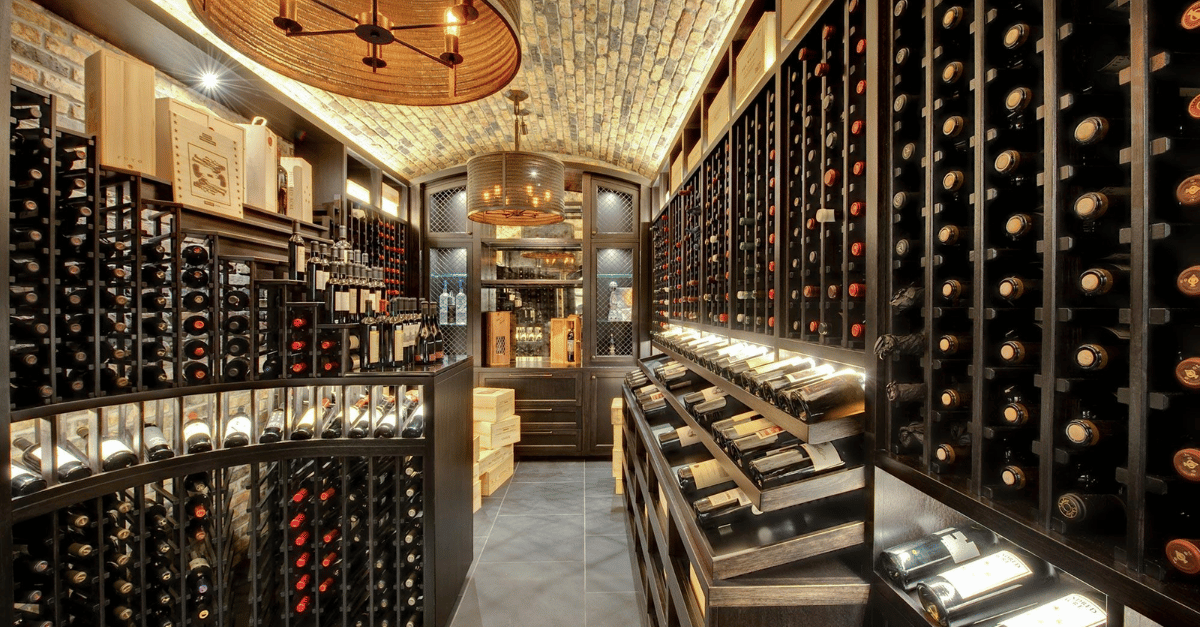
If you are looking to build a collection today, your strategy should be divided into three tiers: Core Assets, Growth Potential, and Rare Gems.
Core Assets: Collectible Vintage Bordeaux Bottles
These are the “Blue Chip” wines: Lafite, Latour, Margaux, Haut-Brion, and Mouton Rothschild. In any Bordeaux vintage chart, these producers will occupy the top slots. These collectible vintage Bordeaux bottles are the most liquid and easiest to sell when you decide to exit your position.
Growth Potential: Secondary Markets
Look for the “Super Seconds” and top-tier Right Bank estates like Angélus or Cheval Blanc. Often, the Saint-Émilion and Pomerol vintage scores for these properties rival the First Growths but at a lower entry price. This is a key area for 2015 Bordeaux investment analysis or similar high-quality recent years.
Rare Gems: Rare Bordeaux Wine Sourcing
This involves finding small-production “Garagiste” wines or older, forgotten vintages from reputable châteaux. Vintage Cellar excels in this niche, using our network to find vintage bordeaux wine with impeccable provenance that hasn’t yet been “discovered” by the broader market.
The Drinking Window for Vintage Bordeaux
A common tragedy in the wine world is opening a masterpiece too early or too late. Understanding the drinking window for vintage Bordeaux is the ultimate skill of the connoisseur.
Factors Influencing the Window
The drinking window for vintage Bordeaux is influenced by:
- Vintage Quality: High-tannin years take longer to open.
- Storage Conditions: Wine stored at 12 degrees will age more slowly than wine stored at 18 degrees.
- Bottle Size: Magnums age more slowly than standard $750\text{ml}$ bottles due to the lower oxygen-to-liquid ratio.
At Vintage Cellar, we provide our clients with updated drinking window reports, ensuring they know exactly when their vintage bordeaux wine has reached its peak of aromatic complexity. We often refer back to historical Bordeaux wine rankings to see how specific vintages in the past have behaved at the 20, 30, and 40-year marks.
Conclusion: The Vintage Cellar Advantage
Building a collection of vintage bordeaux wine is a journey that spans decades. It requires a blend of passion, patience, and rigorous data analysis. By following the Bordeaux vintage chart, respecting the nuances of Left Bank vs Right Bank vintage quality, and paying close attention to Bordeaux red wine scores, you can build a portfolio that is both a source of pride and a sound financial investment.
However, the most critical component of success is provenance. In an era of global trade, rare Bordeaux wine sourcing must be handled by experts who can guarantee the history of every bottle. Whether you are buying vintage Bordeaux for cellaring or looking for advice on the current Bordeaux wine market trends, Vintage Cellar is your dedicated partner.
We invite you to leverage our expertise in bordeaux wine vintage ratings and our deep understanding of the aging potential of Bordeaux wine. Together, we can ensure that your cellar is not just a collection of bottles, but a curated legacy of the world’s most spectacular vintage bordeaux wine. For more information contact our specialists here.