Trusted Wine Provenance: The Essential Italian Guide
For the collector, a bottle of wine is more than a beverage; it is a capsule of time, a fragment of history, and a tangible asset. But in the high-stakes world of fine wine, particularly within the illustrious regions of Italy, the label on the bottle is only half the story. The other half the far more critical half is the story of where that bottle has been, whose hands have held it, and how it has lived its life before reaching your cellar. This is the concept of trusted wine provenance.
In an era where sophisticated counterfeits and poor storage practices can render a significant investment worthless, understanding trusted wine provenance is not just a luxury; it is the single most effective insurance policy a collector can possess. At Vintage Cellar, we believe that the true value of a collection lies not in the prestige of the names on the labels, but in the integrity of the liquid inside. This guide serves as your essential roadmap to navigating the complex landscape of Italian wine authenticity, ensuring that every finely aged Italian wine you acquire is genuine, pristine, and worthy of your passion.
The High Stakes of Italian Wine Collecting
Italy is home to some of the most dynamic and sought-after wines in the world. From the misty hills of Piedmont to the sun-drenched vineyards of Tuscany, the demand for finely aged Italian wine has exploded in recent decades. However, this surge in popularity has a dark side. As prices for iconic bottles rise, so does the incentive for fraud.
The Allure and Risk of the Super Tuscan
Consider the phenomenon of the “Super Tuscan.” These wines, often based on international varieties, have redefined Italian winemaking. A pristine, Italian aged Cabernet Sauvignon from a legendary producer like Tenuta San Guido (Sassicaia) or Marchesi Antinori (Tignanello) is a blue-chip asset. These wines are celebrated for their power, elegance, and incredible aging potential. But an Italian aged Cabernet Sauvignon is also a primary target for counterfeiters.
Because these wines command high market prices and are often traded frequently on the secondary market, the chain of ownership can become murky. Without trusted wine provenance, you simply cannot know if that 1985 Sassicaia is a masterpiece of Italian aged Cabernet Sauvignon or a well-dressed fake. The risk extends beyond outright forgery; it includes the risk of purchasing a vintage wine red that has been “cooked” in a hot shipping container or oxidized in a dry basement.
For the serious collector, the pursuit of finely aged Italian wine must be paired with a rigorous commitment to tracking wine origins. It is the only way to ensure that the asset you are buying retains its value and, more importantly, its ability to deliver the transcendent tasting experience the winemaker intended.
Defining Trusted Wine Provenance
What exactly do we mean when we say trusted wine provenance? In the art world, provenance refers to the documentation that traces a work of art from the artist’s studio to the current owner. In wine, it is strikingly similar, but with an added dimension: condition.
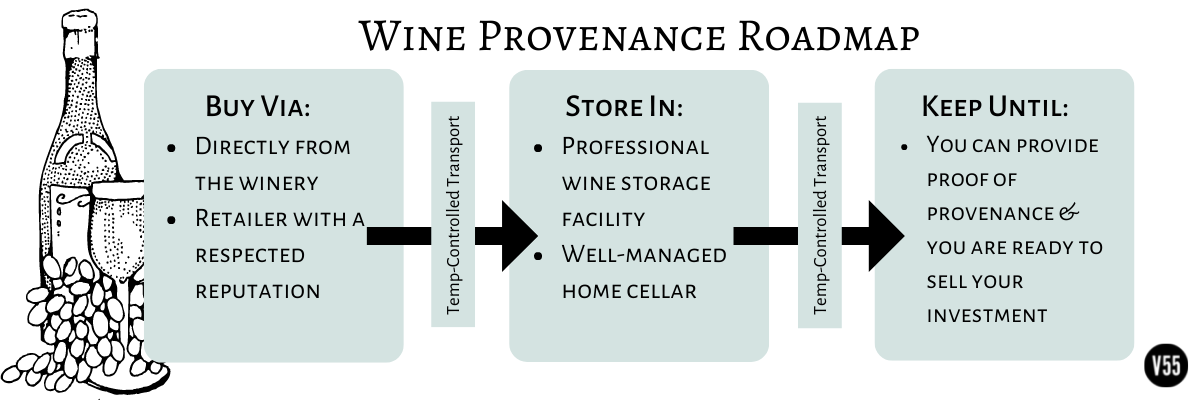
Trusted wine provenance is the verifiable, documented history of a bottle’s ownership and storage conditions from the moment it left the winery to the moment it enters your possession. It is the gold standard of the industry.
The Rare Wine Chain of Custody
The backbone of this concept is the rare wine chain of custody. This is the paper trail or increasingly, the digital trail that links every transaction. A broken chain is a red flag. If a bottle of 1990 Barolo Monfortino disappears from the record for ten years and resurfaces at an auction with no explanation of where it was, the rare wine chain of custody is broken.
At Vintage Cellar, we scrutinize the rare wine chain of custody with forensic intensity. We look for:
- Original purchase receipts from the winery or authorized importers.
- Transfer documents between bonded warehouses.
- Auction catalogs that list previous owners.
Tracking Wine Origins
Effective tracking wine origins requires digging deeper than just the previous owner. It involves going back to the source. Did this bottle come from the European grey market? Was it released directly from the estate’s library? Tracking wine origins helps us establish the legitimacy of the bottle before we even inspect the glass and cork.
A commitment to trusted wine provenance means walking away from any bottle, no matter how tempting the price, if tracking wine origins proves impossible. It is a discipline that separates the accumulator from the true collector.
The Science of Survival: Importance of Wine Storage History
While a fake wine is a tragedy, a ruined authentic wine is a heartbreak. This brings us to the second pillar of provenance: the importance of wine storage history.
Wine is a living organism. It breathes, evolves, and reacts to its environment. A delicate vintage wine red is incredibly fragile. If exposed to temperatures above 25°C (77°F) for even a short period, the chemical compounds that provide fruit and structure begin to break down. The wine becomes “maderized,” developing flat, stewed flavors.
The Invisible Damage
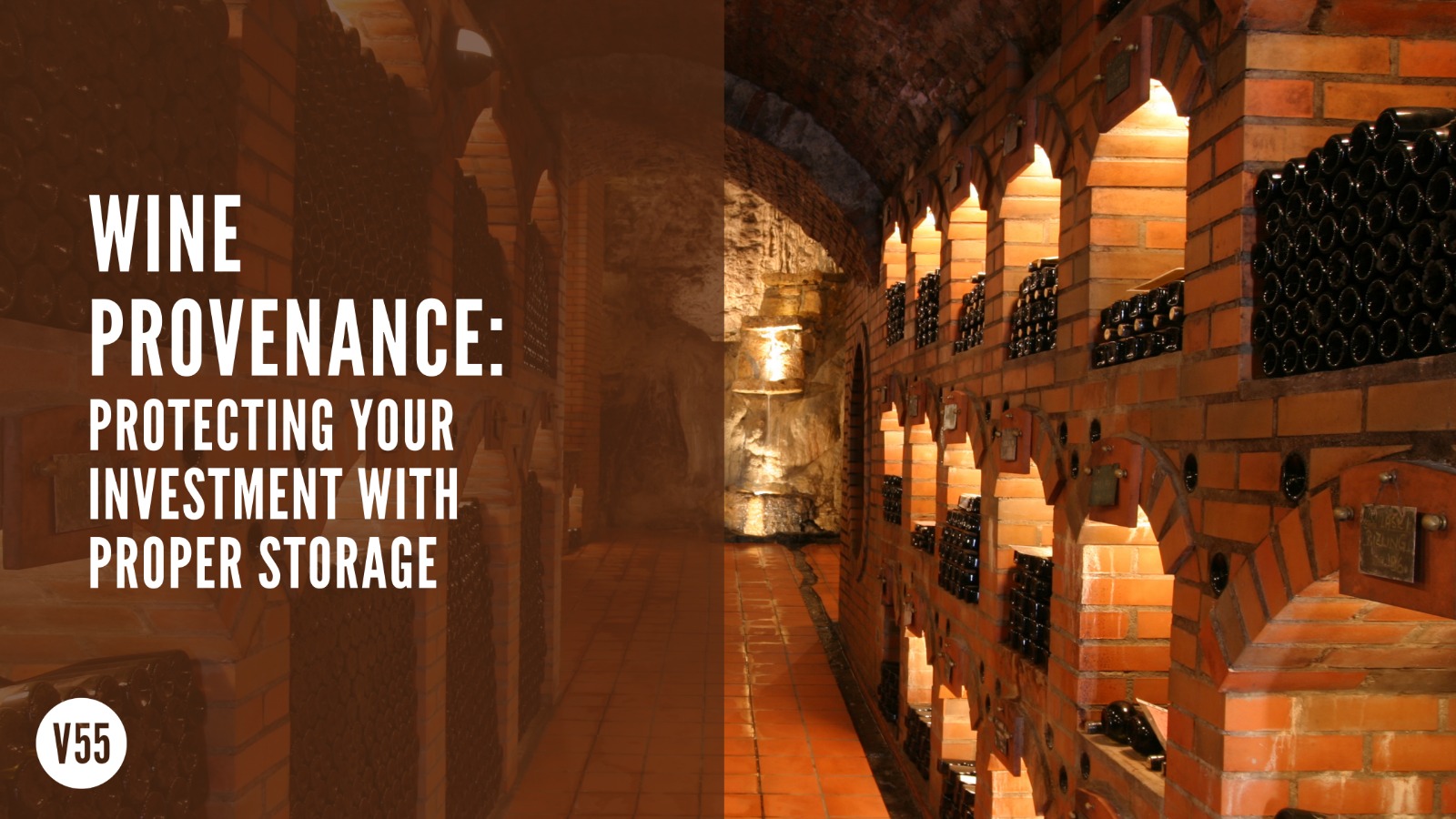
The insidious nature of heat damage is that it is often invisible. The label might be perfect, the capsule intact, but the liquid inside is dead. This is why the importance of wine storage history cannot be overstated. Trusted wine provenance demands proof that the wine has been stored in a climate-controlled environment ideally at a constant 12-14°C (53-57°F) with appropriate humidity.
When verifying the importance of wine storage history, we look for bottles that have spent their lives in professional storage facilities or the cellars of reputable collectors known for their exacting standards. A gap in storage history is just as dangerous as a gap in ownership. For investment grade wine safety, knowing the temperature history is just as vital as knowing the vintage.
A vintage wine red that has been stored perfectly will taste vibrant and complex decades later. One that has traveled the world in unrefrigerated trucks will be a shadow of itself. At Vintage Cellar, we prioritize the importance of wine storage history above almost all other physical attributes.
The Counterfeit Battle: Avoiding Counterfeit Italian Wine
The market for fine Italian wine is currently experiencing a “Renaissance,” but this draws bad actors. Avoiding counterfeit Italian wine requires a multi-layered approach involving visual inspection, historical research, and expert consultation.
The Sophistication of Modern Fakes
Gone are the days of misspelled labels and wrong bottle shapes. Modern counterfeiters use period-correct glass, aged paper, and even refill authentic empty bottles with cheap wine (a technique known as “refilling”). Avoiding counterfeit Italian wine requires understanding the microscopic details of print techniques, glass codes, and cork branding used by specific producers in specific eras.
Guaranteeing Wine Authenticity
This is where guaranteeing wine authenticity becomes a professional discipline. It is not enough to “trust your gut.” Guaranteeing wine authenticity involves:
- Label Analysis: Checking for the correct paper stock, printing method (dot matrix vs. offset), and natural aging patterns (foxing and staining) that are consistent with the wine’s age.
- Sediment Inspection: A vintage wine red should have sediment. If a 40-year-old bottle is crystal clear, it is suspicious.
- Cork Integrity: The cork must be branded correctly and show aging consistent with the vintage.
At Vintage Cellar, guaranteeing wine authenticity is our primary promise. We employ rigorous checks to ensure that our clients are avoiding counterfeit Italian wine at every turn. We act as the firewall between the chaotic secondary market and your pristine collection.
The Role of Expert Wine Consultancy
Navigating this minefield alone is daunting. This is why wine consultancy has become an integral part of the modern collecting landscape. A professional consultant acts as your advocate, your scout, and your defender.
The Value of Italian Wine Consultancy
Generic wine knowledge is often insufficient when dealing with the nuances of Italy’s 20 regions and thousands of grape varieties. Specialized Italian wine consultancy provides the depth of knowledge required to spot the difference between a good deal and a trap.
An expert in Italian wine consultancy knows that a certain producer changed their label design halfway through 1997. They know which importers were bringing in Italian aged Cabernet Sauvignon during the 1980s and which were not. This granular knowledge is the bedrock of trusted wine provenance.
Verifying Vintage Wine History
Your consultant’s primary job is verifying vintage wine history. This involves calling wineries to check bottle numbers, cross-referencing auction records, and utilizing industry databases. Verifying vintage wine history is a detective game. It requires patience and a skeptical mindset.
Through our wine consultancy services at Vintage Cellar, we handle this due diligence for you. We don’t just find you the wine; we certify its story. Whether you are looking for a specific vintage wine red for an anniversary or building an investment portfolio, our Italian wine consultancy ensures that every acquisition stands up to scrutiny.
The Investment Perspective: Investment Grade Wine Safety
For many clients, wine is a significant portion of their alternative asset portfolio. Investment grade wine safety is the concept of protecting that capital. Just as you wouldn’t buy a house without a title search, you shouldn’t buy a £5,000 bottle without trusted wine provenance.
Protecting the Asset
A bottle with perfect provenance commands a premium often 20% or more above the average market price. Conversely, a bottle with questionable history is illiquid; it is difficult to resell to reputable merchants or auction houses. Investment grade wine safety is about liquidity.
By ensuring rare wine chain of custody and verifying vintage wine history, you are securing your exit strategy. When the time comes to sell your finely aged Italian wine, the documentation we help you compile will be your greatest asset.
Investment grade wine safety also involves diversification. While Italian aged Cabernet Sauvignon is a staple, diversifying into Barolo, Brunello, and Amarone creates a robust portfolio. However, the safety of that portfolio always relies on the authenticity of the individual units.
The Niche Frontier: Organic Vintage Italian Wine
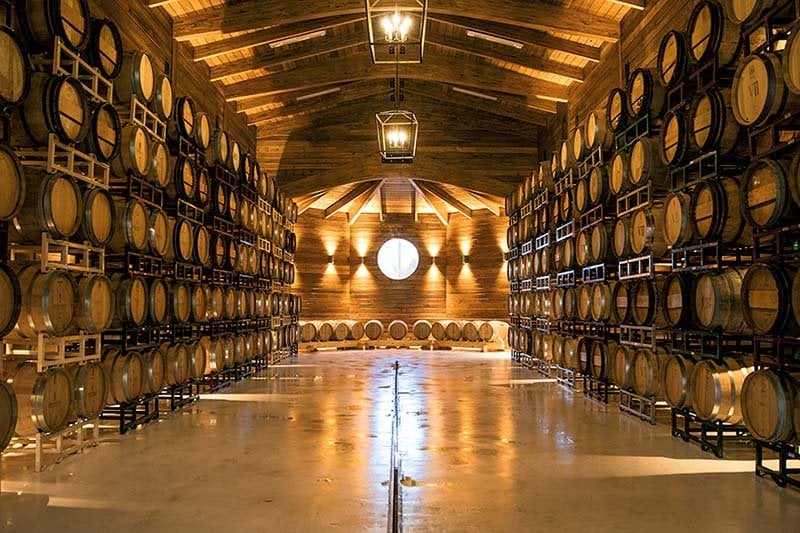
A fascinating trend in the current market is the rise of organic vintage Italian wine. Collectors are increasingly looking for wines made with minimal intervention, reflecting a pure expression of the land.
Provenance in the Organic Sector
The challenge with organic vintage Italian wine is that many of these producers are smaller, artisanal operations that may not have had robust record-keeping in decades past. This makes trusted wine provenance even more difficult and more valuable to establish.
An organic vintage Italian wine often lacks the preservatives (sulfites) of conventional wines, making the importance of wine storage history even more critical. These wines are more susceptible to temperature fluctuations and bacterial spoilage. Therefore, tracking wine origins for an organic bottle must confirm a “cold chain” distribution from the winery to your glass.
Finding a pristine example of an organic vintage Italian wine from the 1990s is a rare treasure. It requires the specialized network of certified vintage wine sellers who understand this niche.
Sourcing: Working with Certified Vintage Wine Sellers
The final link in the chain is the vendor. Who are you buying from? Certified vintage wine sellers are merchants who have staked their reputation on authenticity. They are the gatekeepers of trusted wine provenance.
The Vintage Cellar Standard
We advise collectors to only transact with certified vintage wine sellers who offer a lifetime guarantee of authenticity. Buying from a private forum or an unverified peer-to-peer app is a gamble where the house usually wins.
Certified vintage wine sellers adhere to strict protocols regarding the rare wine chain of custody. They invest in professional storage. They have insurance. At Vintage Cellar, we view ourselves not just as merchants, but as partners in your journey. When you buy from certified vintage wine sellers, you are buying the peace of mind that comes with rigorous wine consultancy and vetting.
Conclusion: The Trust Dividend
In the end, trusted wine provenance is about trust. It is about trusting that the vintage wine red you pour for your friends and family is the genuine article. It is about trusting that your investment in finely aged Italian wine is secure.
The world of Italian wine is one of passion, emotion, and sensory delight. But to truly enjoy it, one must respect the realities of the market. By prioritizing investment grade wine safety, working with experts in Italian wine consultancy, and refusing to compromise on the rare wine chain of custody, you elevate your collection from a gathering of bottles to a curated library of history.
Whether you are seeking the power of an Italian aged Cabernet Sauvignon, the purity of an organic vintage Italian wine, or simply the guidance of expert wine consultancy, remember that the label is just the beginning. The truth is in the history.
Vintage Cellar is here to help you uncover that truth, guaranteeing wine authenticity and providing the trusted wine provenance that every great collection deserves. Let us help you navigate the path to avoiding counterfeit Italian wine and securing the very best the vineyards of Italy have to offer. Contact us here for more information.