Best Champagne Vintages: Investment Trends for the 2026 Market
The global financial landscape of 2026 is defined by a phenomenon wealth managers have dubbed the “Great Wealth Flight.” As high-net-worth individuals seek to move capital across borders in response to shifting tax regimes and geopolitical volatility, the demand for portable, high-value assets has reached a historic surge. Within this “Wexit” era, prestige champagne has emerged as a critical fiscal anchor a borderless asset that transcends currency fluctuations and interest rate hikes. However, successfully navigating this market requires more than just capital; it requires an expert understanding of the best champagne vintages and the technical stewardship necessary to preserve their molecular integrity.
At Vintage Cellar, our mission is to act as the ultimate guardian for collectors during this market recovery 2026 phase. Led by Founder Selim Bocti and a team of dedicated experts like Head Sommelier Wadih Riachi, we provide the infrastructure and advisory services needed to build a blue-chip wine portfolio that serves as a resilient store of value.
Champagne as a Liquidity Engine: The 2025 Performance Data
The primary reason why collectors and investors are currently flocking to the best champagne vintages is liquidity. Unlike some niche alternative assets, Champagne is the most liquid and actively traded category in the fine wine world. This liquidity is driven by a global shift toward “drinking less, but better,” ensuring a constant two-sided market where assets can be bought and sold with relative ease.
The Champagne 50 index, which tracks the price performance of the most actively traded prestige cuvées, has shown remarkable resilience during the recent broad market correction. While other regions faced deeper downturns, the Champagne 50 index flattened its curve by August 2025. Since that low point, the index has risen $1.7\%$ as of March 2026, signaling that the “floor” has been set and a recovery is underway.
For those looking for wine for investment, the 2025 data is highly encouraging. While transaction volumes were slightly lower year-on-year, the total trade value remained strong, meaning the market is paying more per bottle for top-tier assets. At auctions, the average price per bottle of Champagne rose by $16\%$ in 2025, reaching an average of €201. This trend confirms that investment-grade wines from the Champagne region are currently behaving as a “safe haven” against equity market volatility.
Top 5 Traded Champagnes by Volume in 2025
To understand which labels define a blue-chip wine portfolio, one must look at the brands that dominate the global exchange. According to the 2025 Power 100 report, Champagne represents a significant portion of the most “powerful” and liquid brands in the world.
| 2025 Rank | Fine Wine Brand | Region | 2025 Trade Share (Volume) | Market Significance |
| 1 | Dom Pérignon | Champagne | $2.21\%$ | #1 Overall for volume traded |
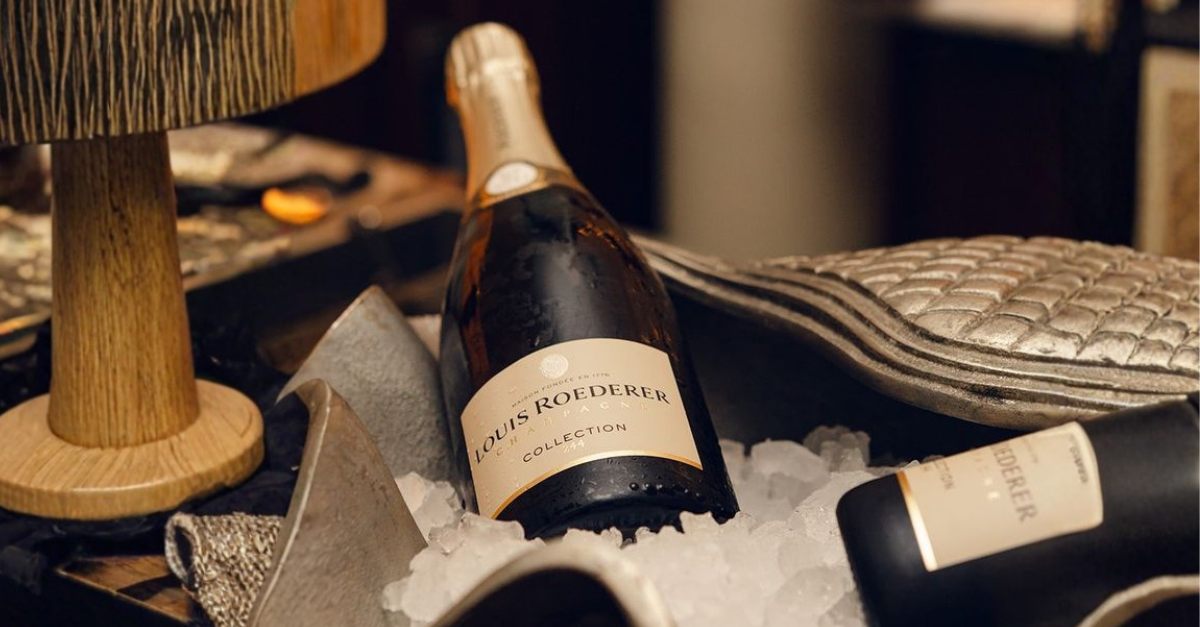
| 2 | Louis Roederer | Champagne | $1.71\%$ | Consistent top-tier trade share |
| 3 | Krug | Champagne | — | Led region in overall power ranking (#6) |
| 4 | Bollinger | Champagne | — | Ranked #45 in overall power 100 |
| 5 | Taittinger | Champagne | — | Significant growth in brand admiration |
Source: Liv-ex Power 100 Report 2025
Dom Pérignon Focus: Why the 2008 and 2009 Vintages are Resilient
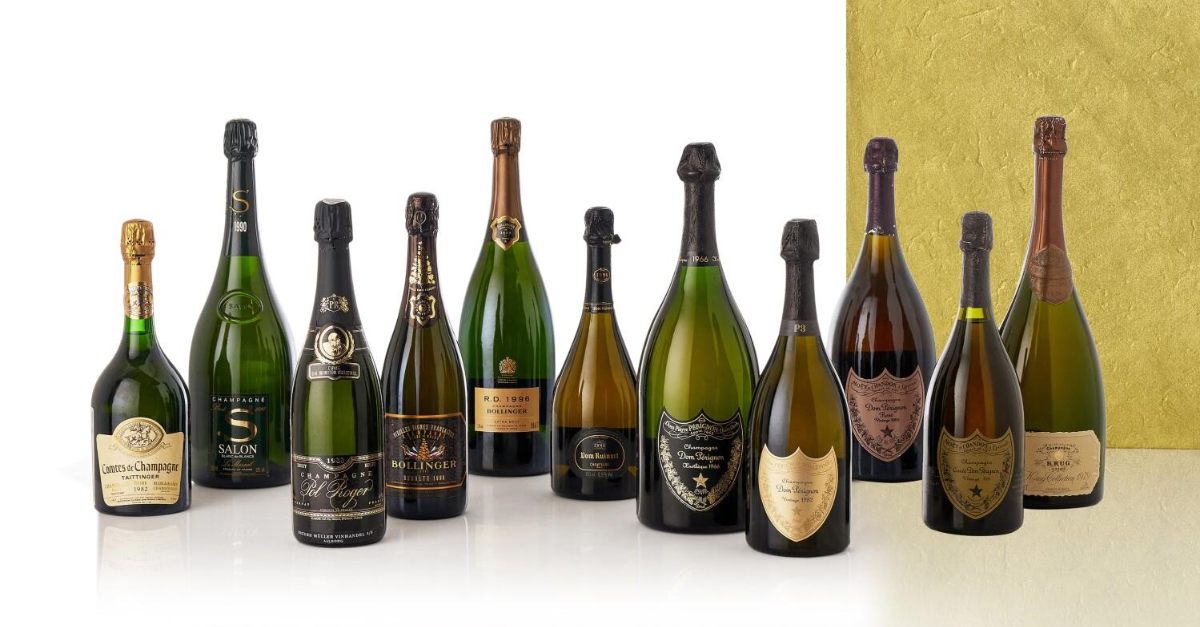
When discussing the best champagne vintages for a portfolio, the conversation inevitably centers on Dom Pérignon. In 2025, Dom Pérignon was the #1 most traded brand by volume globally, accounting for nearly one-third of all investment-grade wine trades when combined with other top “Grandes Marques” like Krug and Cristal.
Within this house, the 2008 and 2009 releases have shown extraordinary market resilience. The best dom perignon champagne vintages are often those that balance high critic scores with a large enough production volume to maintain a liquid secondary market. The 2008 vintage, in particular, has become the “liquidity engine” of the region, accounting for $22\%$ of all Champagne sales in late 2025.
Investors seeking the best vintage dom perignon champagne should note that the 2008 and 2009 releases are now considered “back vintages,” which are showing much greater price stability than new releases. This is a critical distinction for a fine wine asset valuation. While new vintages often “soften” in price post-release, mature prestige cuvées are becoming increasingly scarce, driving up demand from collectors who want “ready-to-drink” assets.
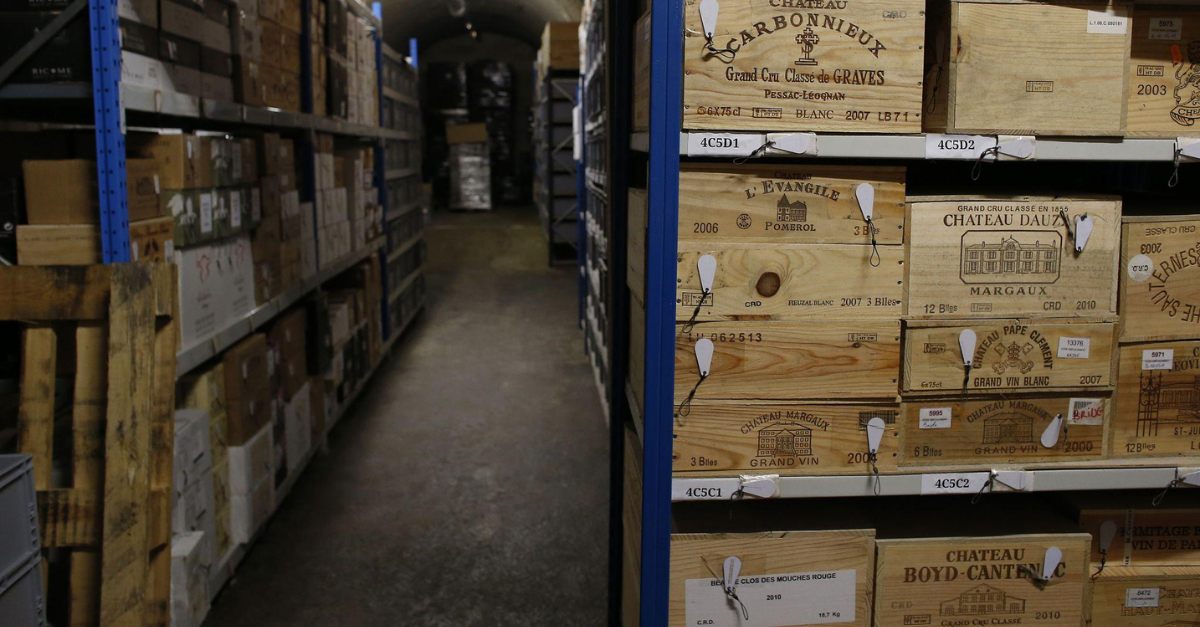
At Vintage Cellar, we specialize in sourcing the best dom perignon champagne vintages through our global network of producers, ensuring our members gain access to allocations that are often unlisted on the open market. Whether you are looking for the best vintage dom perignon champagne to enjoy at a landmark celebration or as a long-term hold, our advisors provide the data-driven insights needed to optimize your entry point. You can explore our current to find these resilient vintages.
Beyond the “Big Houses”: Finding Value in Grower Champagnes
While the “Big Houses” like Krug and Dom Pérignon provide the stability for a blue-chip wine portfolio, the market recovery 2026 has also seen a rise in the “Grower Champagne” movement. Collectors are increasingly seeking “unrepeatable experiences” and a deeper connection to terroir, leading them to discover smaller, elite producers like Jacques Selosse and Salon.
These prestige champagne labels offer a different investment profile. Because their production is significantly smaller than the major houses, they often exhibit extreme scarcity-driven demand. In 2025, both Selosse and Salon made significant progress in market rankings, reflecting a return of confidence among sophisticated buyers.
For a comprehensive fine wine asset valuation, one must consider these smaller producers as the “growth” component of a collection. They appeal to the segment of the market that is moving away from “speculative hype” and toward “authenticity and craftsmanship”. However, because these wines are produced in such limited quantities, securing them requires a partner with deep industry relationships. Vintage Cellar prides itself on being a bridge to these “off-market” gems, helping our members diversify their investment-grade wines beyond the standard commercial offerings.
Storage Risks: Protecting Delicate Aromatics from “Light-Strike”
The ultimate success of a wine for investment strategy depends on the physical condition of the bottle. For the best champagne vintages, the greatest environmental threat is not heat or vibration though these are vital but light.
Champagne is uniquely susceptible to a phenomenon known as “light-strike” (goût de lumière). UV rays can penetrate even dark green glass, triggering a chemical reaction in the riboflavin (Vitamin $B_{2}$) of the wine. This reaction destroys the delicate floral and fruity aromatics that define prestige champagne, replacing them with unpleasant odors of damp wool or sulfur.
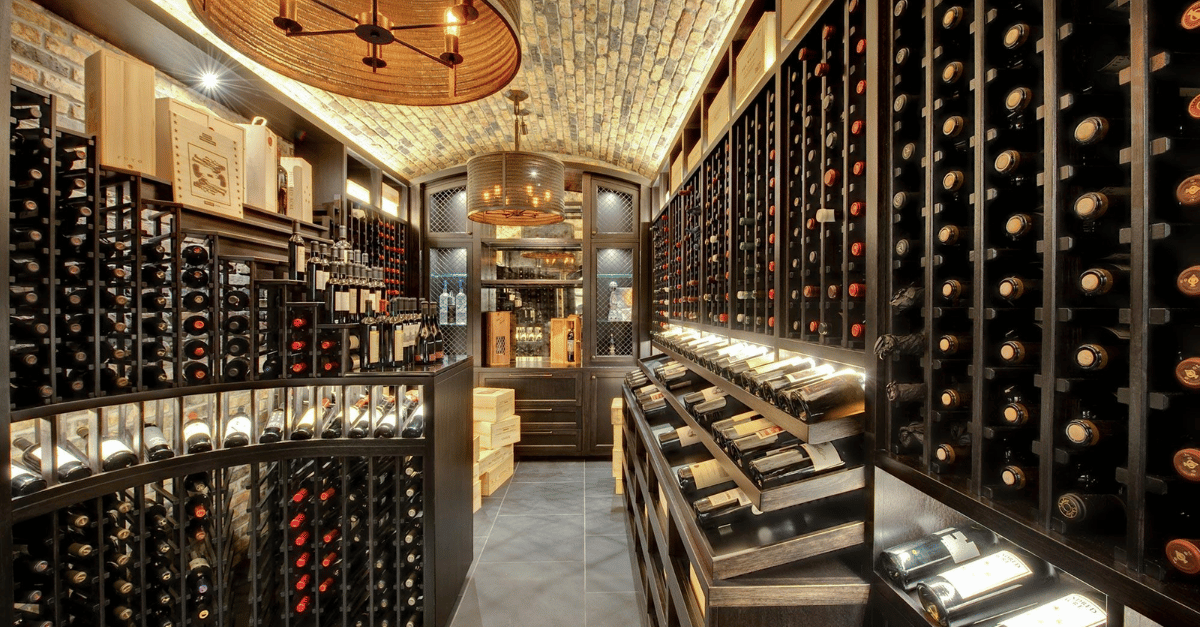
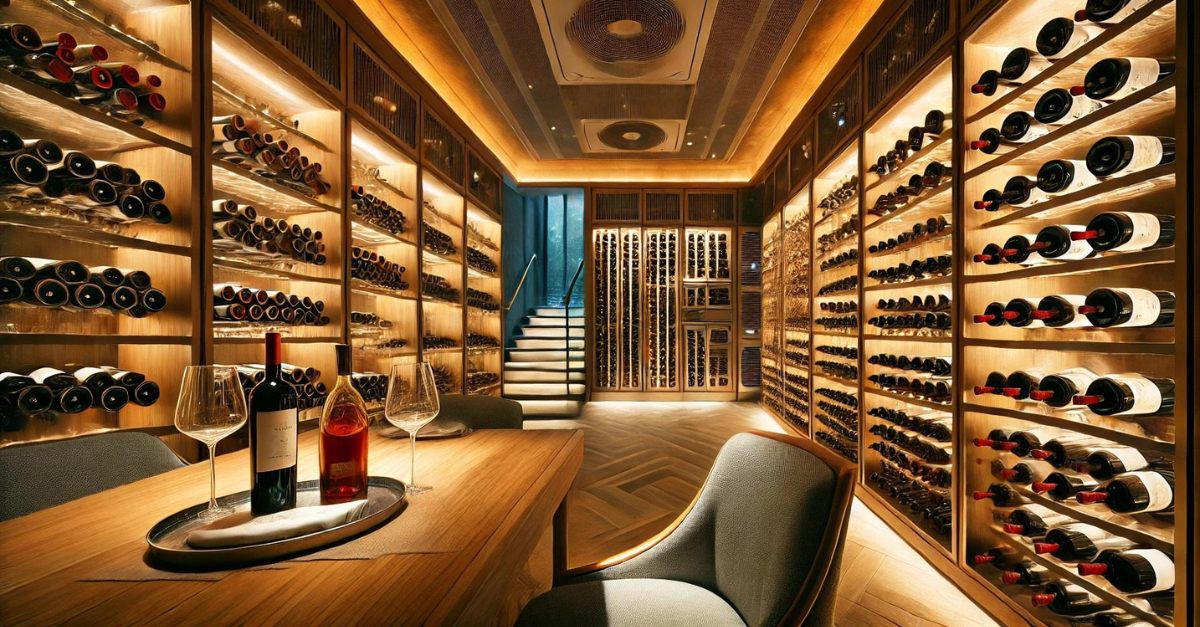
To prevent this, optimal fine wine storage conditions must include total darkness. At Vintage Cellar, our bonded warehouses in Bordeaux utilize soft, low-output LED lighting and UV-filtered environments to ensure that your collection matures in perfect suspended animation. This level of professional cellar management is essential for maintaining the “Pristine” status of your assets.
Furthermore, we utilize the “Condition Coefficient” ($C$) to model the impact of storage on your fine wine asset valuation. A bottle of the best vintage dom perignon champagne with a “Certified Storage History” from a professional facility can carry a value multiplier of $1.15$ or higher compared to a bottle with unknown provenance. By storing your collection with Vintage Cellar, you are not just preserving the liquid; you are buying an upward multiplier for your future returns.
The 2026 Entry Point: A Window of Opportunity
As we navigate the market recovery 2026, the data suggests that the current environment represents a unique entry point for new collectors. Prices for many of the best champagne vintages remain near five-year lows, and the bid-to-offer ratio on major trading platforms is tightening a classic sign that liquidity is returning and the market is transitioning from a “sellers’ market” to a balanced one.
For those looking to build a blue-chip wine portfolio, we recommend focusing on high-scoring back-vintages (pre-2019). These bottles offer the best combination of immediate liquidity and long-term protection against market volatility. Additionally, many collectors are now diversifying their liquid assets by including a rare spirits collection, such as ultra-aged whiskies from the House of Hazelwood, to further hedge against regional downturns.
Synthesis: Your Liquid Legacy in Champagne
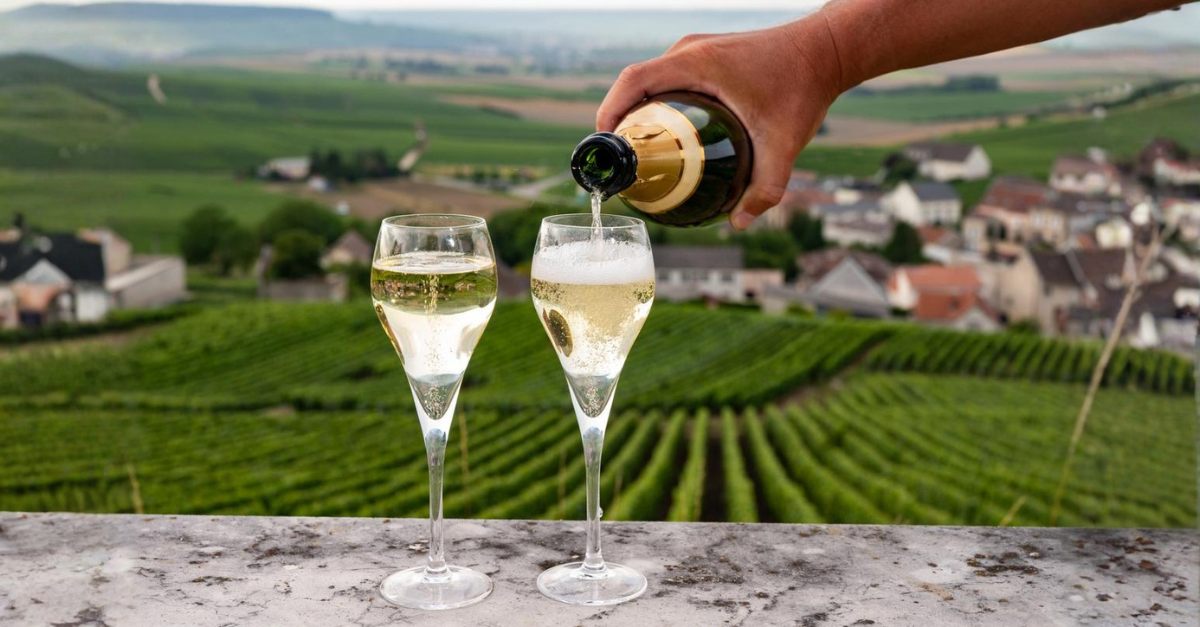
In conclusion, prestige champagne is no longer just a drink for celebrations; it is a sophisticated financial instrument that speaks the universal language of stability. By focusing on the best champagne vintages, such as the resilient 2008 and 2009 releases from Dom Pérignon, and ensuring they are protected by a professional cellar management strategy, you can build a legacy that is both personally rewarding and financially sound.
The market recovery 2026 is not a matter of luck; it is a matter of discipline and expertise. At Vintage Cellar, we provide the data, the network, and the state-of-the-art infrastructure needed to turn the best dom perignon champagne vintages into a thriving investment. Whether you are looking for investment-grade wines to safeguard your wealth during the “Great Wealth Flight” or simply want to enjoy the world’s finest bubbles at their peak, we are your dedicated partners in this extraordinary journey.
Start your collection today and enjoy as a member of the Vintage Cellar community. Visit our page to learn more about how we can help you achieve spectacular success in the 2026 market.