Skip to main content
Preserving Liquid Wealth: How to Choose the Right Storage for Fine Wine
The world of collecting rare and fine wine is a sophisticated intersection of passion, historical preservation, and strategic wealth management. For the elite collector, a bottle of Grand Cru Burgundy or First Growth Bordeaux is not merely a luxury beverage, but a living, breathing work of art and an increasingly resilient alternative asset class. In the modern economic climate of 2026, characterized by high-net-worth capital migration and a distinct “flight to quality,” physical portfolios of investment-grade bottles serve as a crucial fiscal anchor. However, the ultimate realization of this wealth depends entirely on physical stewardship. Unlike digital assets, the value of a physical collection is fragile, bound by the rigid laws of chemistry and thermodynamics. For the discerning collector, understanding how to choose the right storage for fine wine is the single most critical decision that determines whether a portfolio flourishes or decays.
According to recent position tracking audits from May 2026, while our private advisory platform has secured outstanding visibility for competitive terms such as fine wine storage (currently holding an elite Rank 3 on global search engines ) and vintage wine cellars (Rank 8 ), search visibility for specific informational guides remains a vital gap. This report, published by the vintage cellar, aims to bridge that gap. By providing a definitive, scientific baseline of professional custody, we empower both novice and veteran collectors to make informed decisions that protect their capital and preserve their liquid legacy.
When evaluating how to choose the right storage for fine wine, one must transition from a consumer mindset to an asset-protection framework. Sourcing the world’s most sought-after bottles is only half the battle. If those bottles are subsequently stored in sub-optimal environments, their molecular structure will break down, leading to a complete loss of value. This comprehensive guide outlines the technical, scientific, and logistical criteria that every serious collector must master when determining how to choose the right storage for fine wine.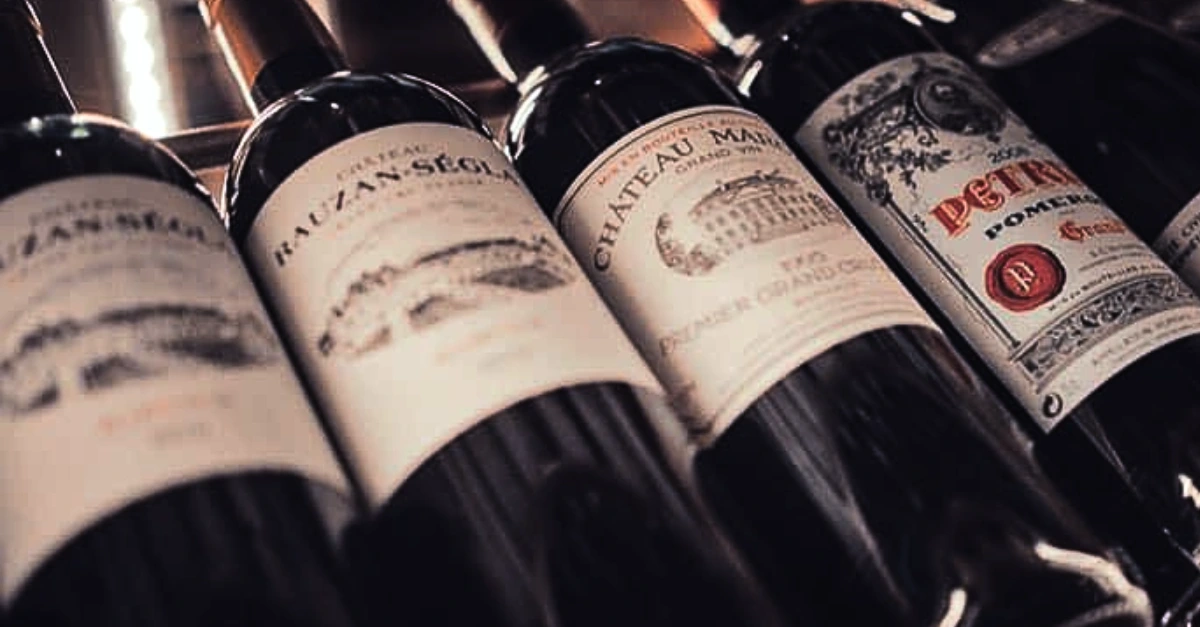
I. The Biological Fragility of Aged Wine Assets
To understand why professional preservation is so vital, one must first accept that wine is a complex, evolving chemical system. Within every sealed bottle, hundreds of compound interactions occur simultaneously. Organic acids, tannins, anthocyanins, and esters are constantly reacting with one another and with the microscopic amounts of oxygen that slowly permeate the cork. In a state of absolute stasis, these reactions occur in a balanced, predictable sequence, allowing the wine to develop the complex secondary and tertiary aromas such as cedar, leather, tobacco, and truffle that define a matured masterpiece.
However, this chemical balance is highly fragile. Premium wine demands strict environmental stasis to prevent thermal degradation and cork failure. When wine is exposed to heat, the rate of chemical reactions increases exponentially. This acceleration is governed by the Arrhenius equation:
$$k = A e^{-\frac{E_a}{RT}}$$
Where:
- $k$ is the chemical reaction rate constant.
- $A$ is the pre-exponential factor representing the frequency of molecular collisions.
- $E_a$ is the activation energy of the chemical reactions.
- $R$ is the universal gas constant.
- $T$ is the absolute temperature in Kelvin.
Because the reaction rate $k$ is an exponential function of temperature $T$, even a minor increase in the ambient environment can cause a dramatic acceleration of the wine’s aging process. Instead of a slow, elegant evolution, the wine undergoes rapid, erratic maturation. The delicate fruit esters are prematurely destroyed, while the organic acids degrade, leaving the liquid flat, unbalanced, and ultimately “cooked.” This thermal degradation is irreversible; once a bottle’s chemical structure is compromised by heat, its value both sensory and financial is permanently ruined.
Furthermore, thermal fluctuations pose a direct threat to the bottle’s physical seal. As temperature rises, the liquid inside the bottle expands, creating pressure against the cork. When the temperature drops, the liquid contracts, creating a microscopic vacuum. This constant “breathing” effect forces the cork to move slightly, disrupting its seal and allowing excessive oxygen to enter the bottle. This rapid oxidation turns the wine’s delicate ethanol into acetic acid, effectively turning a priceless collectible into vinegar. For anyone learning how to choose the right storage for fine wine, preventing this cycle of expansion and contraction is the absolute first priority.
A primary challenge in learning how to choose the right storage for fine wine lies in recognizing that the classical playbook of how to start a wine collection often underestimates the strict requirements of long-term aging. Many beginners invest heavily in acquiring rare bottles but attempt to store them in domestic closets or uninsulated basements. Without the guidance of wine cellar specialists and the implementation of professional climate-control systems, these collections are highly vulnerable to the invisible, devastating effects of environmental instability.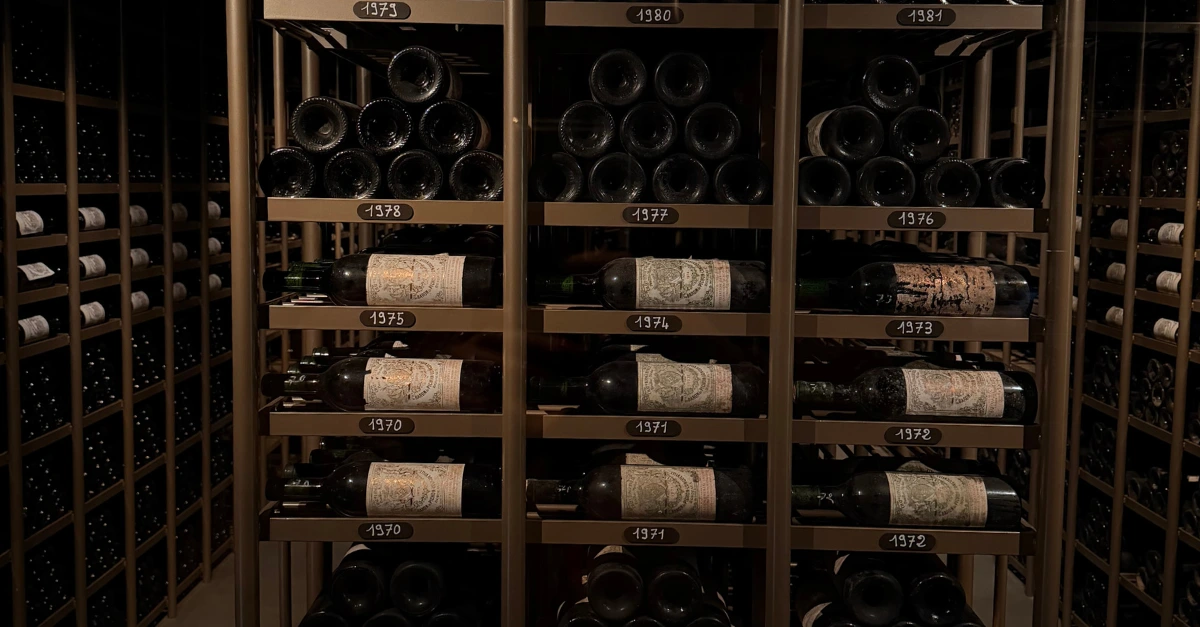
II. The Constants of Excellence: Temperature, Humidity, and Moisture
To establish a pristine environment, any masterclass on how to choose the right storage for fine wine must focus on the two non-negotiable constants of viticultural preservation: temperature and humidity. These two parameters form the bedrock of optimal fine wine storage conditions, acting as a protective shield for both the liquid and the cork.
Temperature Consistency: The Core of Suspended Animation
While there is some debate in amateur circles regarding the best temperature for red wine consumption, the scientific consensus for long-term storage is absolute. A constant temperature of 13°C (55°F) with a variance of less than 0.5°C is the gold standard for all wine styles, including reds, whites, and Champagnes.
Maintaining this precise temperature is not about keeping the wine “cold”; it is about keeping it in a state of suspended animation. While 13°C is the best temperature for red wine maturation, white wines and Champagnes also thrive in this exact environment. A common mistake is attempting to store different styles at their respective serving temperatures. In a professional vintage wine cellar, all bottles sleep at the same constant, cool temperature. This consistency ensures that the rate of chemical reactions remains slow and uniform, allowing the collection to reach its peak evolutionary potential over decades.
Humidity Balance: Protecting the Seal
While temperature governs the liquid, humidity protects the cork. A professional storage environment must maintain a relative humidity (RH) of 65% to 75%. This moisture level is a critical, yet frequently misunderstood, component of vintage wine storage.
If the humidity falls below 60%, the cork will gradually lose its moisture, dry out, and shrink. A dry, shrunken cork loses its elasticity and fails to maintain an airtight seal, allowing external oxygen to leak into the bottle and cause rapid, destructive oxidation. Conversely, if the relative humidity rises above 80%, mold and mildew will begin to grow on the bottles. While mold does not affect the liquid inside a properly sealed bottle, it will destroy the paper labels. In the luxury collector’s market, label condition is a primary component of valuation; a bottle with a torn, stained, or missing label faces a permanent, severe discount. Thus, precise humidity control is a non-negotiable requirement for anyone serious about how to start a wine collection.
When consulting with collectors on how to choose the right storage for fine wine, our advisors often emphasize that achieving this delicate balance requires highly specialized equipment. Standard domestic air conditioners or generic refrigerators are designed to remove moisture from the air, creating a dry environment that is fatal to wine corks. To maintain the necessary stasis, a professional vintage wine cellar must utilize dedicated, high-static cooling systems equipped with active humidification and dehumidification controls.
For those seeking the absolute highest standard of care, trusting your collection to a professional facility is often the most secure path. At the vintage cellar, we operate state-of-the-art, climate-controlled, bonded warehouses in Bordeaux, France, managed in partnership with Hillebrand, a DHL company. By keeping your assets continuously inside our vaults, you secure a verified, unbroken history of optimal temperature and humidity. To learn more about our technical protocols, explore our(/optimal-fine-wine-storage-our-success-secrets/).
III. The Silent Killers: Vibration and Light-Strike
While temperature and humidity are the most visible environmental factors, a truly comprehensive strategy for how to choose the right storage for fine wine must also account for two silent, invisible threats: vibration and light-strike. These two forces can cause severe molecular damage to a collection, even if the temperature and humidity are perfectly controlled.
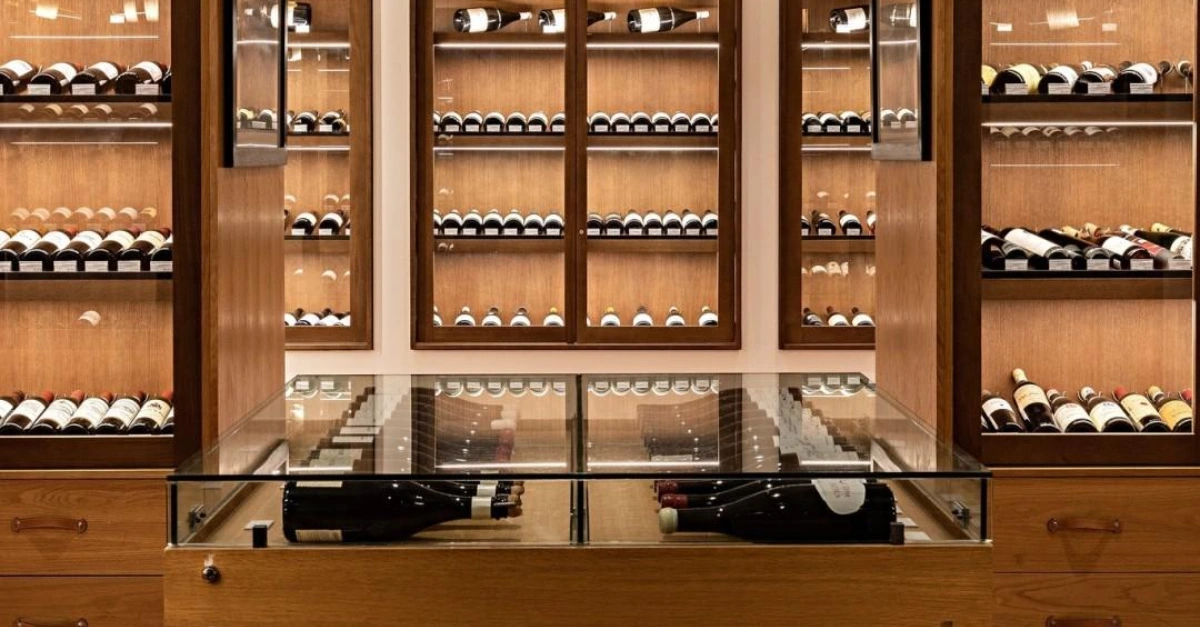
Vibration: The Disruptor of Molecular Aging
Vibration-free wine aging is a fundamental requirement of long-term wine cellaring science. At the molecular level, wine is a delicate, evolving network of polymeric chains. As a wine ages, organic compounds like tannins and anthocyanins link together to form long, complex polymers. This process of polymerization is what softens the wine’s texture, reducing its astringency and creating a velvety mouthfeel.
Persistent micro-vibrations whether from a nearby subway line, heavy street traffic, or a poorly isolated compressor in a home wine fridge introduce kinetic energy into the liquid. This kinetic energy disrupts the slow, natural polymerization of tannins, keeping the molecules in a state of constant agitation. The result is a “muted” or flattened flavor profile, where the wine loses its aromatic intensity and complexity.
Furthermore, in aged wines, natural sediment needs to settle undisturbed at the bottom of the bottle. Continuous vibration keeps this sediment in suspension, allowing it to react with the wine’s liquid components and altering the taste. Therefore, when determining how to choose the right storage for fine wine, the preservation of absolute molecular stillness must be a primary design consideration.
Light-Strike: The Photolytic Destruction of Aromatics
Light-strike (goût de lumière) is a chemical reaction that primarily threatens white wines, rosés, and Champagnes. When wine is exposed to ultraviolet (UV) or blue light, the light energy is absorbed by riboflavin (Vitamin $B_2$), which naturally occurs in wine. This absorption triggers a chemical reaction that photo-oxidizes amino acids, specifically methionine, producing volatile sulfur compounds like dimethyl disulfide (DMDS).
These sulfur compounds introduce unpleasant aromas reminiscent of wet cardboard, damp wool, or sulfur while completely destroying the delicate floral and fruity aromatics of the wine. Although dark green and amber glass bottles offer some protection, they are not completely impervious to UV rays. In a professional vintage wine cellar, total darkness is maintained at all times. When lighting is required, wine cellar specialists utilize soft, low-output, UV-safe LED lighting to prevent any risk of photolytic damage.
The 4 Essential Physical Benchmarks to Prevent Molecular Degradation
To assist collectors in evaluating storage options, the vintage cellar has synthesized the absolute technical baselines required to insulate fine wine from environmental damage:
1. Temperature Stasis
- Standard: A constant 13°C (55°F) with a maximum allowable variance of $\pm 0.5^{\circ}\text{C}$. This is universally recognized as the best temperature for red wine, white wine, and Champagne maturation.
2. Humidity Equilibrium
- Standard: Relative humidity maintained strictly between 65% and 75%. This preserves cork turgidity and prevents label-damaging mold growth.
3. Molecular Stillness
- Standard: Active vibration-damping systems to ensure a completely calm, stable environment for tannin polymerization.
4. Photolytic Protection
- Standard: Total darkness, utilizing only UV-filtered glass doors and low-heat, UV-safe LED fixtures when lighting is necessary.
By ensuring your storage solution meets these four benchmarks, you protect your physical assets from the silent killers of heat, dryness, vibration, and light.
IV. Home Cabinets vs. Professional Bonded Facilities
A critical inflection point in the journey of how to choose the right storage for fine wine is deciding between keeping your collection at home or utilizing a professional, off-site bonded warehouse. Both options offer distinct advantages, but they cater to very different collecting profiles and financial strategies.
Home Storage: Accessibility and Tasting Joy
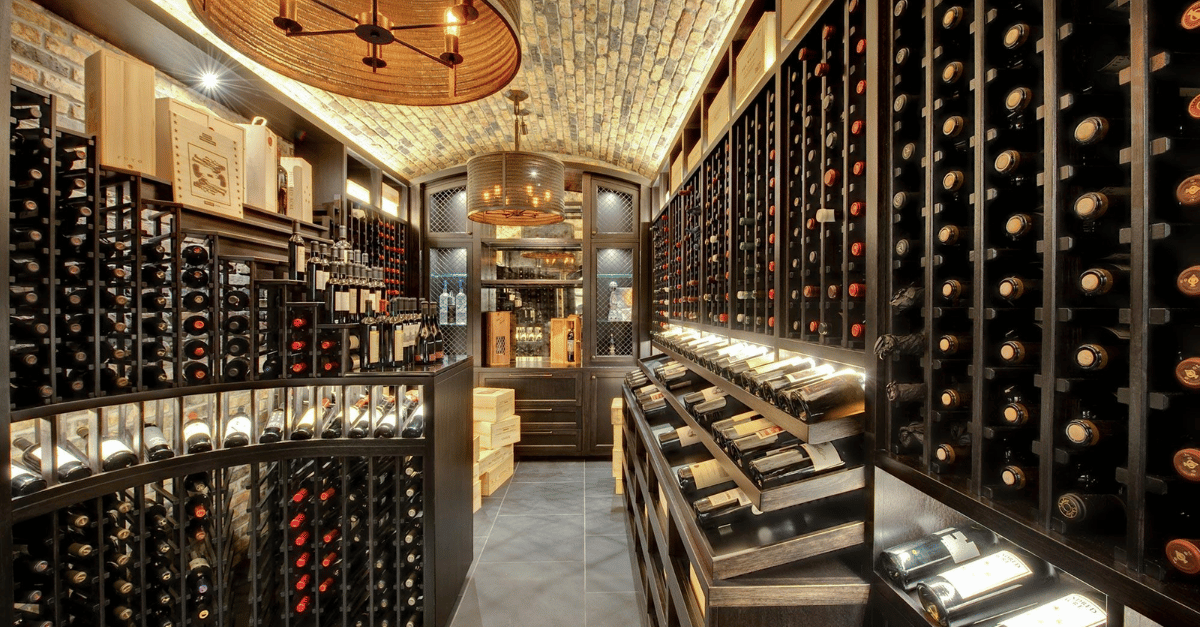
For collectors whose primary goal is immediate consumption and the social pleasure of hosting, a home-based solution is highly appealing. Building a private vintage wine cellar or investing in a premium, climate-controlled cabinet allows for instant accessibility. You can walk into your cellar, select a bottle, and uncork it for dinner without any logistical delay.
However, building a functional vintage wine cellar at home requires a significant capital investment. It is not simply a matter of installing wine racks; it requires proper insulation with vapor barriers, specialized cooling units, and continuous monitoring systems to prevent mechanical failure. If a home unit fails while you are traveling, your entire fine wine collection can be exposed to heat-damage within hours. For this reason, serious collectors who choose the home path must work alongside certified wine cellar specialists to design redundant systems and integrate real-time climate monitoring alerts.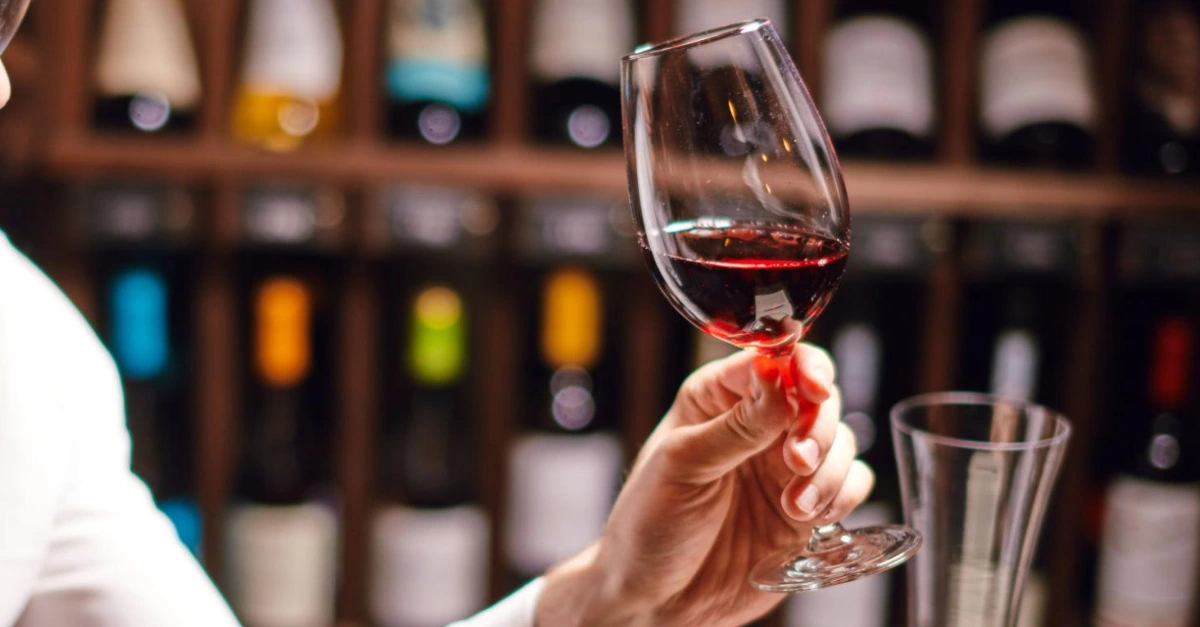
Professional Bonded Storage: The Ultimate Investment Shield
For those treating wine as a serious alternative asset class, professional fine wine storage in a government-approved bonded warehouse is the ultimate option. Located in the heart of the viticultural world, such as our secure facilities in Bordeaux, professional warehouses offer unparalleled security and climate control.
Storing your collection in a “bonded” status offers substantial financial and logistical advantages:
- Tax Efficiency: VAT and customs duties are deferred indefinitely as long as the wine remains within the bonded facility. If you eventually sell the wine to another investor within the bond, you never pay these taxes, maximizing your net returns.
- Impeccable Provenance: Wines stored continuously in bond have a certified, traceable history. In the secondary market, future buyers are highly cautious of counterfeit bottles and poor storage histories. A collection with a “Certified Storage History” from a reputable bonded warehouse trades at a substantial premium.
- The Condition Coefficient Multiplier: To mathematically model the financial return of professional storage, the vintage cellar utilizes the Condition Coefficient ($C$) in our portfolio valuations:
$$V_{\text{future}} = V_{\text{market}} \times C$$
Where:
- $V_{\text{future}}$ is the projected future resale value of the bottle.
- $V_{\text{market}}$ is the current global market price tracked on exchanges like Liv-ex.
- $C$ is the Condition Coefficient, which ranges between $0.7$ and $1.2$ based on documented storage history.
A bottle of rare Bordeaux stored in an unverified home cellar often carries a permanent discount ($C = 0.70$), as future buyers cannot guarantee its storage history. Conversely, a bottle kept continuously in our Bordeaux bonded vaults carries a premium multiplier ($C = 1.15$ to $1.20$), reflecting its pristine, certified custody. This mathematical reality proves that investing in professional storage is not an expense it is a value-generating strategy that directly enhances your portfolio’s growth.
Indeed, the final decision on how to choose the right storage for fine wine often depends on your long-term goals. If your focus is on building a legacy or maximizing capital appreciation, professional bordeaux wine storage is the safest, most efficient choice. Through the vintage cellar app, our members can track the value, maturity, and location of their bonded assets in real-time, combining physical security with modern digital transparency.
Conclusion: Protecting Your Liquid Legacy
Ultimately, mastering how to choose the right storage for fine wine is about protecting a liquid legacy. A collection of fine and rare wine is a beautiful, evolving piece of history that deserves the highest level of stewardship. Whether you choose to build a custom vintage wine cellar at home or leverage the tax and provenance advantages of our professional Bordeaux vaults, every detail matters.
By insisting on a constant 13°C temperature, maintaining relative humidity between 65% and 75%, and insulating your bottles from vibration and UV light, you ensure that every cork remains turgid and every bottle matures exactly as the winemaker intended.
The journey of a collector is a marathon, not a sprint. Do not let the silent killers of heat, dryness, vibration, and light destroy your hard-earned assets. Work alongside experienced wine cellar specialists, adopt the best wine preservation techniques, and let the vintage cellar be the architect of your collection’s preservation.