Major Wine Grape Varieties: 6 Spectacular Success Secrets
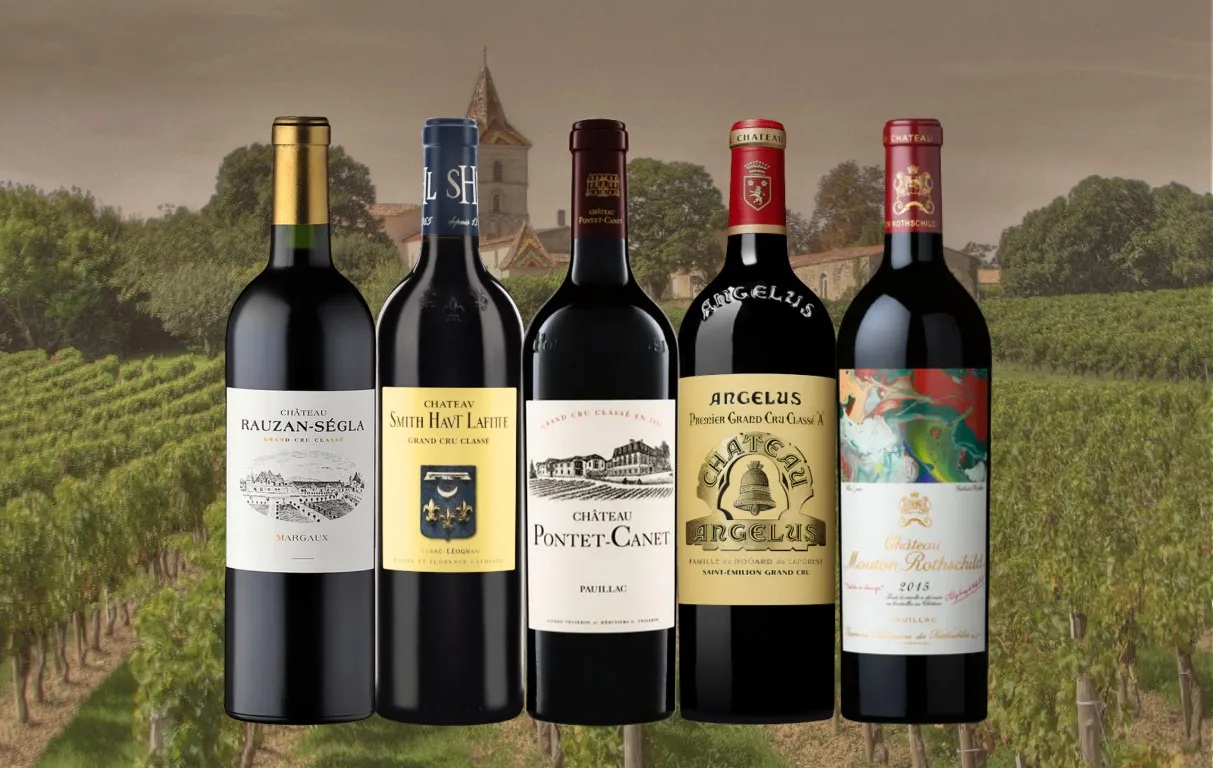
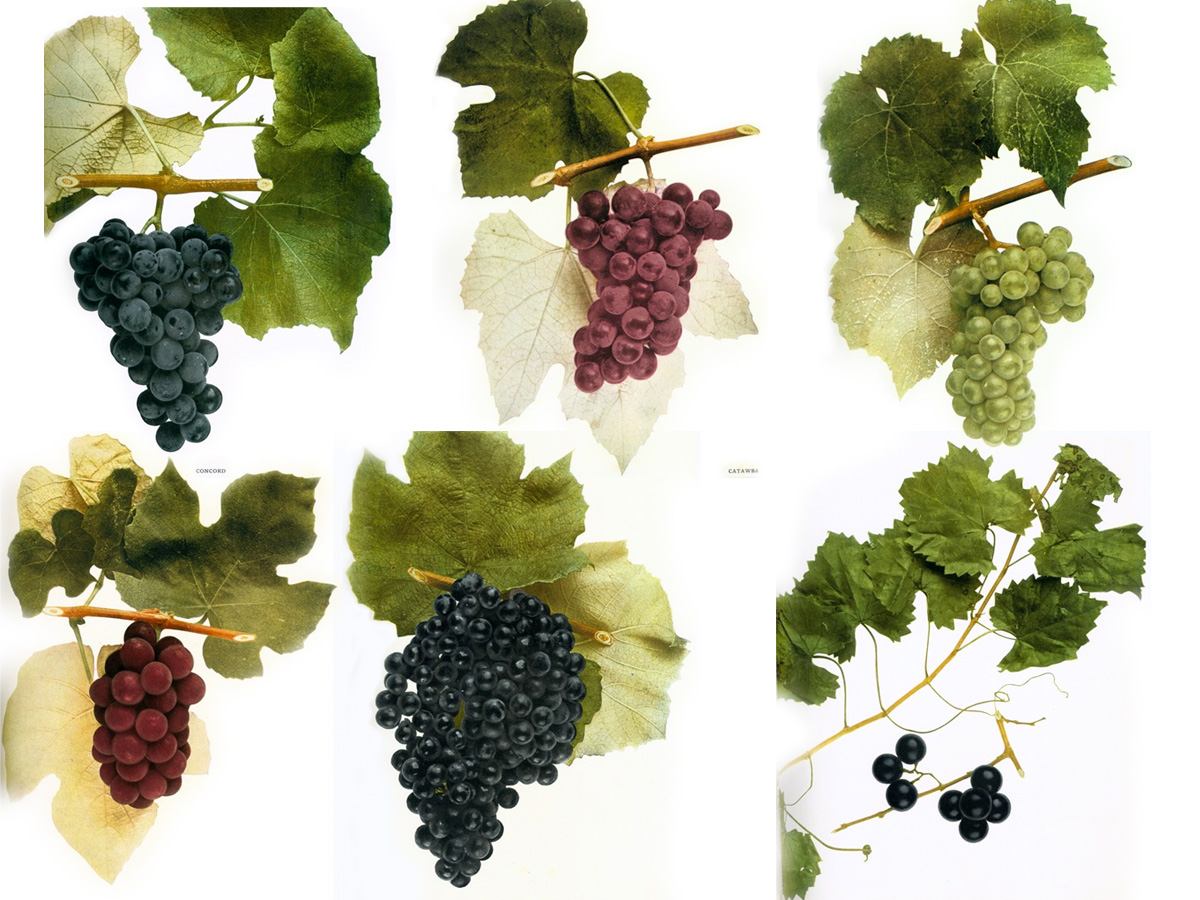
Major Wine Grape Varieties: The Essential Guide for Collectors For the true connoisseur, wine is not just a beverage; it is a living document of history, terroir, and botany. Understanding the fundamental building blocks the grapes themselves is the first, most critical step in building a fine wine collection of true distinction. From the most famous appellations of Bordeaux to the rare indigenous grape varieties of Italy and the rising stars of the New World, every bottle tells a story that begins in the vineyard. The landscape of viniculture is vast, encompassing thousands of different grapes. Yet, only a handful are responsible for the vast majority of the world’s most sought-after and collectible wines. These are the major wine grape varieties the pillars of the industry. This essential guide, curated by the experts at Vintage Cellar, delves deep into the profiles, characteristics, and historical significance of the most important wine grapes known today. The Noble Grapes of the World: A Foundation of Quality At the heart of fine wine collecting lies a collection of six international superstars three red and three white historically referred to as the noble grapes of the world. These classic grape varietals achieved their status because they can produce exceptional, age-worthy wines across diverse climates and are consistently recognized as the global benchmark for quality. Understanding these six major wine grape varieties is the foundational knowledge required for any serious collector engaging in wine tasting by grape variety. The Big Three Red Noble Grapes The identity of a red wine is defined by its red wine grape characteristics. These attributes, including skin thickness, acidity, and flavor compounds, determine the wine’s structure and its potential for long-term aging. Cabernet Sauvignon: The King of Structure Cabernet Sauvignon is arguably the most important wine grapes in the world for investment-grade reds. It is a workhorse that thrives in diverse environments, from Bordeaux’s Left Bank to California’s Napa Valley. Red Wine Grape Characteristics: Thick skins, late-budding, and high tannins. Its thick skin is the key factor in how grape skins affect wine, imparting deep color and a robust structure that allows it to age for decades. Flavor Profile: Blackcurrant (cassis), cedar, graphite, and mint. With age, these notes evolve into complex tertiary flavors of tobacco, leather, and cigar box. Classic Grape Varietals Context: Cabernet Sauvignon forms the structural backbone of Vintage Cellar’s most significant offerings from Bordeaux, where it is often blended with Merlot. Merlot: The Partner in Elegance Merlot is the crucial component that provides balance, often softening the severe structure of Cabernet Sauvignon. Understanding the subtle difference between Cabernet and Merlot is vital for any collector. While Cabernet provides backbone, Merlot offers flesh and roundness. Red Wine Grape Characteristics: Thinner skins and earlier-ripening than Cabernet. This results in less tannin and a softer, more plush mouthfeel. Flavor Profile: Plum, red cherry, chocolate, and herbal notes. In its most celebrated expressions, such as Pomerol, it develops silky, earthy notes with age. Difference Between Cabernet and Merlot: The fundamental difference between Cabernet and Merlot is structure: Cabernet is higher in tannin and acidity, whereas Merlot is more approachable and fruit-driven, ripening earlier in the season. Pinot Noir: The Delicate Masterpiece Pinot Noir is the most challenging of the major wine grape varieties to cultivate but is responsible for the ethereal quality of fine Burgundy. Red Wine Grape Characteristics: Thin skins, tightly packed bunches, and low yield. Its thin skin means the resulting wines are lighter in color and lower in tannin compared to Cabernet. Pinot Noir Flavor Profile: Highly complex. Dominant primary notes include red cherry, raspberry, and strawberry, evolving into savory, earthy, and mineral secondary notes of forest floor, mushroom, and subtle spices. Wine Tasting by Grape Variety: The ultimate test of wine tasting by grape variety is identifying the subtle nuances in a top-tier Pinot Noir, which can range from floral elegance to deep, savory complexity. The Big Three White Noble Grapes White wines offer a completely different spectrum of complexity, with white wine grape profiles ranging from lean and mineral to rich and buttery. Chardonnay: The Sculptor’s Clay Chardonnay is known as the “winemaker’s grape” because it is a neutral canvas that readily takes on the character of its terroir and the style of vinification. White Wine Grape Profiles: Highly adaptable and neutral. It thrives in Chablis (resulting in steely, mineral wines) and Burgundy’s Côte de Beaune (resulting in richer, oaked wines). Chardonnay Wine Styles: This is the grape with the widest range of Chardonnay wine styles. Unoaked styles emphasize freshness, green apple, and citrus. Oaked styles undergo malolactic conversion and extended barrel aging, yielding creamy textures and notes of vanilla, butter, and toast. Most Important Wine Grapes Context: Chardonnay is one of the most important wine grapes globally, used in still wines and as a key component in Champagne. Riesling: The Aromatic Chameleon Riesling is the world’s greatest aromatic white grape, capable of producing exceptional wines ranging from bone-dry to lusciously sweet. White Wine Grape Profiles: High natural acidity and intense aromatic compounds. Flavor Profile: Lime, green apple, jasmine, and petrol (or diesel) notes in aged vintages. The high acidity preserves the wine, allowing it to age for decades, similar to the red wine grape characteristics of Cabernet. Sauvignon Blanc: The Zesty Expression Sauvignon Blanc is known for its pungent, herbal, and refreshing character. White Wine Grape Profiles: Early-ripening and highly aromatic. Flavor Profile: Grapefruit, passionfruit, cut grass, and bell pepper (pyrazines). It is the backbone of Sancerre and Pouilly-Fumé. Wine Tasting by Grape Variety: Wine tasting by grape variety is often easiest with Sauvignon Blanc due to its distinctive, highly recognizable profile. Understanding Red Wine Grape Characteristics and Structure The deep color and age-worthiness of collectible red wine are not arbitrary; they are the direct result of the specific red wine grape characteristics. For the collector acquiring rare vintages through Vintage Cellar, knowing these traits is fundamental to assessing potential quality and cellar life. The Science of Color and Tannin: How Grape Skins Affect