...

Vintage Cellar

Enjoy 20% OFF on your first acquisition

Events
& experiences

Destinations on Vogue title goes here
tailor made experiences

Wine tasting notes

Wine Tasting Notes: The Ultimate 4-Step Security

Wine Tasting Notes: The Forensic Key to Authenticity and Protecting Wine Investment How to identify fake vintage wine: Wine Tasting Notes from our best sommelier.  For the discerning wine collector and investor, the act of assessing a fine or rare bottle extends far beyond mere appreciation. Wine tasting notes transition from subjective pleasure diaries to mandatory forensic records, establishing the final, undeniable evidence when determining how to identify fake vintage wine. In the high-stakes world of rare wine acquisition, where the global market for counterfeit wine represents a threat valued at billions annually, mastering the systematic sensory analysis (SAT) is a non-negotiable security layer. This comprehensive sensory approach provides the internal confirmation the chemical and textual fingerprint that the liquid inside the bottle aligns precisely with the pedigree promised by the label, the claimed age, and the resulting market price. The risks associated with wine fraud are complex, involving everything from mislabeling and substituting cheaper vintages to outright adulteration and refilling antique bottles. While technology assists in tracking the bottle’s journey, the liquid itself must pass the ultimate test of integrity. For this reason, rigorous, structured tasting is the foundation of effective wine fraud detection. An expert’s capacity to identify sensory inconsistencies a young aroma profile in an old bottle, or an off-flavor suggesting contamination is critical for triggering further forensic investigation. This methodology is essential for protecting wine investment. Vintage Cellar specializes in integrating expert sensory analysis with verifiable documentation (provenance) and optimal storage conditions. This approach provides comprehensive wine authentication services, ensuring that every asset acquired is genuine and that the value derived from a vintage wine valuation service is defensible. The confluence of sensory integrity and documented history is the core defense mechanism required for thorough wine collector due diligence. The Foundational Framework: Translating Sensory Input into Forensic Data 2.1. The Systematic Approach to Tasting (SAT): A Protocol for Due Diligence Professional wine assessment cannot rely on casual observation; it requires a structured, repeatable methodology to eliminate bias and ensure objective data capture. Frameworks like the Wine & Spirit Education Trust’s (WSET) Systematic Approach to Tasting (SAT) or advanced tasting grids are used by sommeliers and appraisers globally to mentally separate and analyze visual, aromatic, and gustatory components. This professional technique transforms subjective perceptions into forensic data points. The process typically begins with the visual assessment, often summarized by the Five S’s: See, Swirl, Sniff, Sip, and Savor. The “See” stage involves visually assessing the wine’s clarity, intensity, and hue. Color provides immediate, crucial clues about age, grape varietal, and extraction methods. For instance, older red wines are expected to show brick or tawny hues near the rim; the absence of this age-driven color change in a claimed old vintage may be an initial visual clue for how to identify fake vintage wine. The clarity and the ullage (fill level) of the liquid inside the bottle also relate directly to the bottle’s storage conditions and structural integrity. Any premature browning or excessive haziness suggests oxidation or damage, potentially compromising the fine wine provenance importance long before the bottle is opened. The next stages, “Swirl” and “Sniff,” focus on olfactory assessment, which accounts for up to 80% of what is commonly perceived as “taste”. Swirling gently aerates the wine, releasing volatile aromatic compounds necessary for detailed evaluation. This systematic release is essential for interpreting the wine’s bouquet and moving toward definitive wine fraud detection. 2.2. The Chemistry of Complexity: Primary, Secondary, and Tertiary Aromatic Markers The most critical function of a detailed tasting note in authenticity verification is its capacity to classify and interpret aromatic markers according to their source and stage of development. Professional notes categorize these into three distinct levels: primary, secondary, and tertiary. This classification is paramount for verifying age claims central to any vintage wine valuation service. Primary aromas are those derived directly from the grape variety itself and the soil/climate (terroir). They encompass fruit, floral, and herbal components, such as black fruit (cassis), citrus (lemon zest), or specific herbal notes (menthol in certain Cabernet Sauvignon wines). Secondary aromas are the result of winemaking practices, specifically fermentation and post-fermentation treatments. These include notes imparted by yeast (biscuit, bread, derived from lees contact), malolactic conversion (the buttery notes of diacetyl, or yogurt), and oak aging (vanilla, clove, smoke). However, the tertiary aromas are the true indicators of age and maturity. These complex components develop exclusively during bottle aging in an ideal, controlled environment and are absolutely essential for determining the integrity of a rare or aged wine. For aged red wines, experts expect the fresh fruit character to evolve into stewed or dried fruit (fig, prune, tar) and complex notes of leather, forest floor, earth, mushroom, game, and tobacco. Aged white wines, particularly Riesling or specific white Bordeaux, develop notes of petrol, kerosene, honey, and dried apricot or marmalade. The absence of this complex, developed tertiary spectrum in a wine claimed to be decades old represents the single most crucial sensory data point for how to identify fake vintage wine. Furthermore, tasting notes must account for regional typicity. Structural profiles differ vastly between regions: top Bordeaux wines are expected to be powerful, structured, and tannic, built for decades of aging, while premier Burgundy wines are known for finesse, elegance, and higher acidity. When a wine labeled as an aged, powerful Bordeaux exhibits the light body, high acidity, and red fruit delicacy of a New World Pinot Noir, this sensory inconsistency strongly suggests fraud. The expected regional style, when systematically compared against the actual sensory profile, becomes a vital step in robust rare wine authenticity check protocols. 2.3. Structural Assessment: Acidity, Tannin, and Body as Indicators of Longevity Following the olfactory assessment, the “Sip” stage involves assessing the wine’s structure, balance, and concentration. These elements are key determinants of quality and potential longevity, directly influencing the outcome of any expert wine appraisal. Acidity, registered primarily along the sides of the tongue, provides the wine’s freshness and vibrancy, making it feel “mouthwatering”. Along with tannin, high

Read More »
Bordeaux wine

Bordeaux wine : The 7 Essential Secrets for a Perfect Investment

All There Is to Know About Red Wine The world of red wine is a study in duality, a realm where profound artistry meets rigorous science. It is a domain cherished by those who seek not only sensory pleasure but also intellectual satisfaction and financial reward. From a single grape on the vine to a bottle of a legendary Bordeaux wines investment vintages, the journey is one of meticulous craftsmanship and calculated risk. For the discerning collector, this pursuit is far more than a simple hobby; it is a quest for timeless elegance and lasting value, a search for that special vintage bordeaux wine that speaks to them. This report is a comprehensive guide to that journey, an exploration of the fundamental principles and the expert insights required to navigate the complex world of fine red wine. It is a resource designed to empower collectors, providing the knowledge to appreciate the nuances of a good vintage for bordeaux and the expertise to build a remarkable legacy. In this pursuit, a partner with an unwavering commitment to authenticity and quality is indispensable. Vintage Cellar stands as that partner, offering unparalleled access, storage, and advice to transform a collection into a true sanctuary of liquid assets. From Ancient Vineyards to Modern Vintages: A Brief History of Red Wine  The story of red wine is as old as civilization itself, a narrative rooted in ancient traditions and evolving through millennia. The earliest evidence of winemaking, though not specifically red wine, traces back to around 7000 B.C. in China, with fermented concoctions stored in clay jars. However, the art and appreciation of wine as we know it today were pioneered by the Greeks and Romans, who elevated the drink to a cultural staple and an art form. Early Greek civilization on the island of Chios is credited with producing Chian, a wine then referred to as “black wine,” around 500 B.C., which is believed to be the first documented red wine. From these early days, the reverence for red wine spread across the globe, taking hold in France, Spain, and Italy, laying the foundation for the renowned wine regions we celebrate today.  The wine industry’s growth has been staggering, expanding beyond its historical roots to become a multi-billion-dollar market. In the 21st century, red wine remains the most popular variety, accounting for 46% of all wine sales in 2020. The modern landscape, with its different regions known for specific wines, is a direct continuation of this ancient progression. The long history of red wine gives every single bottle, especially a treasured vintage bordeaux wine, a gravitas that is a tangible part of its value. It is this profound connection to history that drives many enthusiasts to build a collection, and it is a central reason why a company like Vintage Cellar provides a crucial service in preserving and continuing this legacy. The Craft of Complexity: Understanding Red Wine Production The creation of a fine red wine is a meticulous process, a blend of traditional craftsmanship and scientific precision where every step contributes to the final character and aging potential of the wine. It all begins with the harvest, a tense and critical time of year when grapes are picked at the perfect ripeness. The timing is crucial, as the winemaker’s decision on when to harvest directly impacts the wine’s acidity and sugar levels. Once harvested, the grapes head to the winery for preparation. An important choice is made here: whether to remove the stems or to ferment whole clusters. Leaving the stems in the fermentation tank can add astringency, or tannin, but can also reduce sourness, a technique often used for grapes like Pinot Noir but not for Cabernet Sauvignon. The next step is crushing and fermentation. For red wine, the defining characteristic of this stage is the prolonged contact of the juice with the grape skins. It is during this process that yeast consumes the natural sugars in the grape juice and converts them into alcohol, while the skins impart the wine’s deep color, flavors, and tannins. This fermentation process takes place at a higher temperature than for white wines, typically between 20°C and 32°C, and lasts for a minimum of five days. To ensure maximum extraction, the floating “cap” of grape skins is regularly stirred, either by “pumping over” the wine or “punching down” the cap with a tool. Pumpovers extract flavor more rigorously, leading to rich, full-bodied reds, while punch downs create more delicate wines. After fermentation, the grapes are pressed to extract the remaining juice, a process that can yield up to 15% more wine. The maturation stage that follows is far more important for red wines than for their white counterparts. Maturation, or élevage, is where the wine develops complexity, often through contact with oak barrels. Wooden barrels impart flavors like vanilla and spice and help soften the wine’s tannins, preparing it for long-term aging. The blending process is a key part of the final creation of a unique and perfectly balanced wine. Once the wine is deemed ready, it is clarified and bottled, with high-quality reds often being sealed with a cork to allow for further flavor development during aging. The entire process is a testament to the fact that a good vintage for bordeaux is a product of both exceptional natural conditions and skilled human intervention. The World’s Most Coveted Grapes: A Guide to the Noble Red Varietals The character of a red wine is defined first and foremost by the grape from which it is made. While countless red grape varieties exist, a handful stand out for their global acclaim and their role in producing some of the world’s most prestigious wines. Cabernet Sauvignon: Widely hailed as the “King of Reds,” Cabernet Sauvignon is the world’s most planted red grape. Known for producing full-bodied, bold, and tannic wines, it offers a distinct flavor profile of blackberry, blackcurrant, and graphite. It has a natural affinity for oak and is the cornerstone of the celebrated Left Bank

Read More »

Best Wine Preservation Techniques: 5 Secrets

Unlocking the Secret to Longevity: The Best Wine Preservation Techniques  For a true wine connoisseur, a bottle of fine wine is more than just a beverage; it’s a living piece of history, a testament to time, and an investment in future enjoyment. However, the journey from vineyard to glass is fraught with potential pitfalls. Improper storage can transform a masterpiece into a disappointment, a story of potential lost. This is where mastering the best wine preservation techniques becomes essential. From the casual collector with a few cherished bottles to the serious investor with an extensive cellar, understanding how to protect your liquid assets is the key to ensuring their longevity, a vital step in honoring the craftsmanship of the vintner. The art and science of proper wine storage are often misunderstood, leading to mistakes that can prematurely age or, worse, spoil a prized collection. The goal is to create a controlled environment that minimizes the factors that can negatively impact a wine’s delicate composition. The ideal environment for storing wine is one of cool, consistent temperatures, controlled humidity, minimal light exposure, and a vibration-free space. Adhering to these principles is the first step toward building a lasting legacy. For those looking to elevate their collection, whether through strategic acquisition or long-term management, partnering with a trusted advisor is paramount. Vintage Cellar is committed to guiding clients through every step of this rewarding journey, from the initial selection to the final uncorking of a perfectly aged bottle. This comprehensive guide will delve into the core principles of the best wine preservation techniques, providing you with the knowledge needed to safeguard your collection for years, or even decades, to come. We’ll explore everything from the science of a stable environment to the practical solutions available, ensuring that your passion for fine wine is matched by your expertise in preserving it. The value of a fine wine lies not just in its current state, but in its potential to evolve and improve over time—a potential that can only be realized through careful preservation. The Cornerstone of Preservation – Temperature Control Temperature is arguably the single most important factor in the long-term preservation of wine. A wine’s primary enemies are heat and temperature fluctuations. High temperatures accelerate the aging process at an unnatural rate, “cooking” the wine and stripping it of its complex flavors and aromas. A wine subjected to heat will taste flat, bland, and often have a brownish tint, a sign of irreversible damage. The delicate tannins and acids that give a wine its structure break down, leaving a hollow shell of its former self. Conversely, while extreme cold temperatures are less damaging than heat, they can cause the cork to dry out and shrink, allowing oxygen to seep in and ruin the wine through oxidation. The ideal wine storage temperature is consistently between 55°F (12.8°C) and 57°F (13.9°C). This narrow range is a sweet spot that allows wine to age slowly and gracefully. Maintaining this stability is critical. Even short periods of exposure to temperatures above 70°F (21°C) can be detrimental, and constant temperature swings are just as bad. For this reason, a kitchen refrigerator is not a suitable place for long-term wine bottle storage, as its temperature is too low and its constant cycling and motor-induced vibration are harmful. A dedicated wine cellar or a specialized wine refrigerator is the only way to guarantee a stable wine storage temperature. Fluctuations are just as dangerous as sustained high temperatures. When a wine is exposed to constant temperature swings, the wine in the bottle expands and contracts. This can put pressure on the cork, potentially pushing it out, or, as the wine cools, it can pull air into the bottle, causing premature oxidation. The best wine preservation techniques always emphasize stability above all else. This is where a professional wine cellar cooling unit becomes indispensable. These units are specifically designed to maintain a precise and stable temperature, independent of external climate changes. They operate quietly and efficiently, protecting the wine from the very elements that could destroy it. This is a crucial component for any serious collector planning to build vintage wine cellars and protect their substantial investment. The Silent Partner – Managing Humidity While temperature gets most of the attention, wine cellar humidity is another critical component of the best wine preservation techniques. The ideal humidity level for a wine cellar is consistently between 60% and 70%. This range is a careful balance that prevents damage from both extremes. The primary purpose of maintaining this humidity level is to keep the corks from drying out. A cork is a natural material, a bark from the cork oak tree, and it is designed to be slightly porous and elastic. When a cork dries out, it loses its elasticity and shrinks, compromising the airtight seal of the bottle. This shrinkage can allow air to get into the bottle, leading to oxidation, which is one of the most common causes of spoiled wine. For a wine bottle storage solution, especially one for fine wines meant to be aged for many years, humidity control is non-negotiable. The wine-soaked side of the cork stays moist, but the side exposed to air needs humidity to maintain its integrity. Too much humidity, on the other hand, can also be problematic. Excessive moisture can cause mold and mildew to grow on the outside of the bottle, specifically on the cork and labels. While this mold doesn’t typically affect the wine inside, it can damage the bottle’s aesthetic and, more importantly, impact its value. This is particularly significant for collectible wines where the condition of the label is a key factor in resale price. A well-designed wine cellar requires a humidifier or dehumidifier to maintain the optimal wine cellar humidity and ensure your collection is in pristine condition, both inside and out. The Importance of a Proper Storage System The way you physically store your bottles is also a part of the best wine preservation techniques. The most common

Read More »
French wine, Vintage Red Wine

French Wine : 3 Surprising Keys to a Premium Collection

The Definitive Guide to French Wine: A Connoisseur’s Journey For centuries, the world of french wine has stood as the definitive benchmark for excellence. It is a world steeped in tradition, where winemakers are not just producers but guardians of a legacy passed down through generations. To a novice, the intricate tapestry of French viticulture from its regional nuances to its complex classification systems can seem intimidating. Yet, for the discerning collector and enthusiast, this complexity is the very source of its profound allure. Understanding french wine is a journey that requires an expert companion, someone who can demystify its complexities and unlock its hidden treasures. This report serves as a guide for that journey, written by the experts at Vintage Cellar, a company dedicated to helping clients navigate the extraordinary world of fine wine with unmatched expertise and passion. The Bedrock of Excellence: Terroir, Classification, and Vintage The Indivisible Concept of Terroir The foundation of every great french wine is a concept known as terroir. This is not merely a single factor but an intricate combination of climate, soil, topography, and the unique human traditions that have evolved in a specific place over centuries. This concept is perhaps best illustrated by the age-old comparison between France’s two most illustrious regions: Bordeaux and Burgundy. Bordeaux’s maritime climate and gravelly soils produce powerful, structured wines, while Burgundy’s continental climate and limestone-rich soils yield ethereal, single-varietal wines of elegance and finesse. The very landscape of France shapes its wines, with the poor quality of the soil in Bordeaux, for example, forcing vines to struggle and produce more concentrated fruit. This deep connection to the land is a defining characteristic that sets french wine apart. Deciphering the French Wine Classification System To truly appreciate french wine, one must understand its hierarchical classification system. Originally known as the Appellation d’Origine Contrôlée (AOC), this system was introduced in the 1930s to ensure the quality and authenticity of wines by regulating factors such as geographical origin, grape varieties, and production methods. While a new system, Appellation d’Origine Protégée (AOP), has been adopted by the European Union, the term AOC remains widely used. This system operates as a quality pyramid, with broad regional wines at the bottom and the most prestigious vineyard sites at the top. A critical element of this system is the term “Cru,” which translates to “growth” and indicates a group of vineyards recognized for quality. This is where a common point of confusion arises, especially concerning the designation premier cru burgundy meaning. The application of this term is a key differentiator between wine region bordeaux and the Burgundy system. In Burgundy, premier cru burgundy (or 1er Cru) is the second-highest classification level, a designation applied to a specific vineyard plot or a blend of such plots within a village. These are exceptional sites, often situated just inches from the even more prestigious Grand Cru vineyards. In the Bordeaux 1855 classification, however, Premier Cru (First Growth) is the highest rank, a title assigned to a specific château or estate, not a single vineyard. A complete understanding of the nuances within the french wine classification system is vital for any serious enthusiast. The Significance of a Great Vintage The concept of vintage french wine refers to the year the grapes were harvested. While often oversimplified, a great vintage is defined not just by a single factor, but by a series of perfect climatic conditions that allow a winery to harvest “perfect, top quality grapes”. This includes an even flowering, a warm and sunny summer without excessive heat, and a slow, gradual ripening process that fully develops the flavor of the grapes. A great vintage is a prerequisite for producing a finely aged french wine that will stand the test of time and form the cornerstone of a fine french wine premium collection. The quality of a vintage directly impacts a wine’s character and its potential for long-term cellaring, making it a crucial consideration for anyone looking to acquire fine rare wine. A Grand Tour of France’s Premier Wine Regions Bordeaux: The Benchmark of Blends and Power of french wine. As the world’s largest fine rare wine producing region, the wine region bordeaux is a global powerhouse of viticulture. Its proximity to the Atlantic Ocean and the Gironde estuary provides a maritime climate that is ideal for the late-ripening grape varieties used in its famous blends. The region’s style is most easily understood by dividing it into two banks, which are separated by the Gironde River. The Left Bank, with its predominantly gravelly soils, is the homeland of french red wine bordeaux that is bold, structured, and age-worthy. The dominant grape here is Cabernet Sauvignon, which thrives in the well-drained, poor soils. Wines from prestigious communes like Pauillac, Margaux, and St-Julien are celebrated for their firm tannins and aromas of blackcurrant and cedar. They are a classic choice for anyone seeking a finely aged french wine with remarkable longevity. In contrast, the Right Bank is characterized by clay and limestone soils that favor the plump Merlot grape. These wines, from renowned areas like St-Émilion and Pomerol, are typically softer, fruitier, and more approachable in their youth, though their most sought-after examples are among the best french wine and command stratospheric prices. The artistry of blending multiple grape varieties is a defining trait of Bordeaux, distinguishing it from other regions like Burgundy. The reputation of the wine region bordeaux is so significant that it has inspired countless imitators worldwide, a testament to its status as a benchmark against which greatness is judged. For this reason, many collectors believe that a fine french wine premium collection is incomplete without a selection of best wine bordeaux.   Burgundy: The Terroir of Elegance and Finesse in french wine. While Bordeaux is known for its powerful blends, Burgundy stakes its reputation on single-varietal wines. Pinot Noir reigns supreme for reds, while Chardonnay dominates the whites. The focus here is on expressing the minute variations of terroir through a patchwork of
Read More »
Barrique Best Bordeaux Wine

Best Bordeaux Wine: 9 Secrets to Find Legendary Vintages

The Connoisseur’s Definitive Guide to the Best Bordeaux Wines & Iconic Vintages: A Vintage Cellar Perspective Introduction: Embarking on the Bordeaux Journey The world of fine wine holds few names as revered and universally acclaimed as Bordeaux. This historic French region has, for centuries, set the global benchmark for age-worthy red wines, captivating collectors, connoisseurs, and investors alike. Its enduring legacy is built upon a unique blend of tradition, innovation, and an unparalleled ability to produce wines of profound complexity and longevity. Bordeaux’s global appeal is evident in the sheer volume of its wines sold worldwide, with approximately 15 bottles changing hands every second. However, within this vast production, the true pursuit for the “Best Bordeaux wine” lies in discerning the exceptional, the rare, and the truly fine. This distinction is paramount for those seeking not just a bottle, but an experience, an investment, or a cherished addition to a burgeoning collection. Navigating the intricate landscape of Bordeaux requires a trusted guide, and this is precisely where Vintage Cellar distinguishes itself. As specialists in the acquisition, sale, and meticulous storage of rare and fine wines, Vintage Cellar offers unparalleled expertise. The company provides bespoke advising services in wine tasting, crucial guidance on how to identify genuine rare and fine wine from counterfeits, and comprehensive consultancy for individuals aspiring to create or expand a world-class wine collection. Vintage Cellar stands as an authoritative partner, dedicated to ensuring that every client’s journey into the world of prestigious wines is both rewarding and secure. The term “best Bordeaux wine” is multifaceted, encompassing not only immediate sensory pleasure but also long-term aging potential and investment value. A pivotal determinant of a wine’s character and future evolution is its vintage. The year a wine is produced reflects the unique climatic conditions of that growing season, which profoundly influence the grapes’ development. Factors such as temperature, rainfall, humidity, and sunlight play crucial roles in shaping the sugar content, phenolic ripeness, and acidity of the grapes. These elements, in turn, dictate the wine’s eventual flavor profile, structure, and capacity for aging. The inherent variability of weather conditions in Bordeaux means that no two vintages are precisely alike. This annual variation gives rise to both celebrated “excellent” years and more “challenging” ones, each presenting distinct characteristics and opportunities for collectors. Understanding these nuances is fundamental to appreciating the depth and diversity of French Bordeaux wine, and it forms the cornerstone of informed collection building. Understanding Bordeaux: Terroir, Grapes, and Grandeur The distinctive character of Bordeaux wines is inextricably linked to its concept of terroir the unique combination of soil, topography, and microclimate that imparts a wine with its singular identity. Bordeaux is famously divided by the Gironde Estuary, formed by the confluence of the Dordogne and Garonne rivers, into two primary winemaking areas: the “Left Bank” and the “Right Bank”. This geographical split is more than just a division of land; it represents a fundamental difference in soil composition that dictates the dominant grape varieties and, consequently, the characteristic styles of the wines produced. The Essence of Terroir: Left Bank vs. Right Bank Left Bank (Médoc, Graves/Pessac-Léognan) The Left Bank, home to appellations such as Pauillac, Margaux, Saint-Julien, Saint-Estèphe, and Pessac-Léognan, is predominantly characterized by gravelly soils. These soils are warm and exceptionally well-draining, a critical advantage in Bordeaux’s often rainy, maritime climate. The gravel absorbs heat during the day and radiates it back to the vines at night, aiding in the ripening process of sun-loving grapes. This makes the Left Bank ideal for Cabernet Sauvignon, which requires significant warmth to ripen fully. Left Bank reds are typically Cabernet Sauvignon-dominant, often blended with Merlot and smaller proportions of Cabernet Franc. These wines are renowned for their full-bodied nature, structured tannins, and a complex aromatic profile featuring ripe blackcurrant, blackberry, and plum, complemented by notes of cedar, tobacco, licorice, spice, and pronounced minerality. Appellations like Pauillac are particularly celebrated for their quintessential Bordeaux flavors a combination of soft red fruit, oak, dryness, and a touch of cigar box, all underpinned by vigor and longevity. Margaux wines, with their gravel and sand soils, tend to be more elegant, with greater finesse and fragrant aromas. These wines are exceptionally age-worthy, with the finest examples capable of evolving for decades, sometimes even a century, in the bottle. Right Bank (Saint-Émilion, Pomerol) Across the Gironde, the Right Bank, encompassing the prestigious appellations of Saint-Émilion and Pomerol, features a higher concentration of clay and limestone soils. These cooler soils retain more water than gravel, creating an environment perfectly suited for grapes that do not demand as much heat to ripen fully. Consequently, Right Bank reds are predominantly Merlot-based, with Cabernet Franc playing a significant supporting role. Wines from the Right Bank are celebrated for their plush, round, and generous fruit profiles, often displaying notes of plum, blackberry, raspberry, and cherry, alongside aromatic nuances like cinnamon and black tea. They are characterized by softer, more supple tannins compared to their Left Bank counterparts, often reaching maturity more quickly. Pomerol wines, known for their exclusive velvety quality, are deep-colored and full-bodied, with rich flavors, soft tannins, and a hint of minerals. Saint-Émilion, with its varied terroirs including higher plateaus with more limestone, produces robust, richly colored wines that are among the most celebrated. The distinct geological composition of the Left and Right Banks, with their gravel versus clay/limestone soils, is the fundamental driver of their stylistic differences and grape dominance. This is not merely a geographical separation but a terroir-driven specialization that has profoundly shaped Bordeaux’s identity for centuries. Beyond the Reds: The Excellence of Bordeaux’s White and Sweet Wines While Bordeaux is globally synonymous with its red blends, the region also produces exceptional white wines. Dry white Bordeaux wines are primarily crafted from Sauvignon Blanc and Sémillon, often with smaller proportions of Muscadelle. Sauvignon Blanc contributes high acidity and vibrant citrus and herbal notes, such as lemon, lime, and gooseberry, while Sémillon rounds out the blend with its plush texture and fruit flavors like

Read More »
wine tasting

Uncork Joy: 5 Wine Tasting Secrets Revealed!

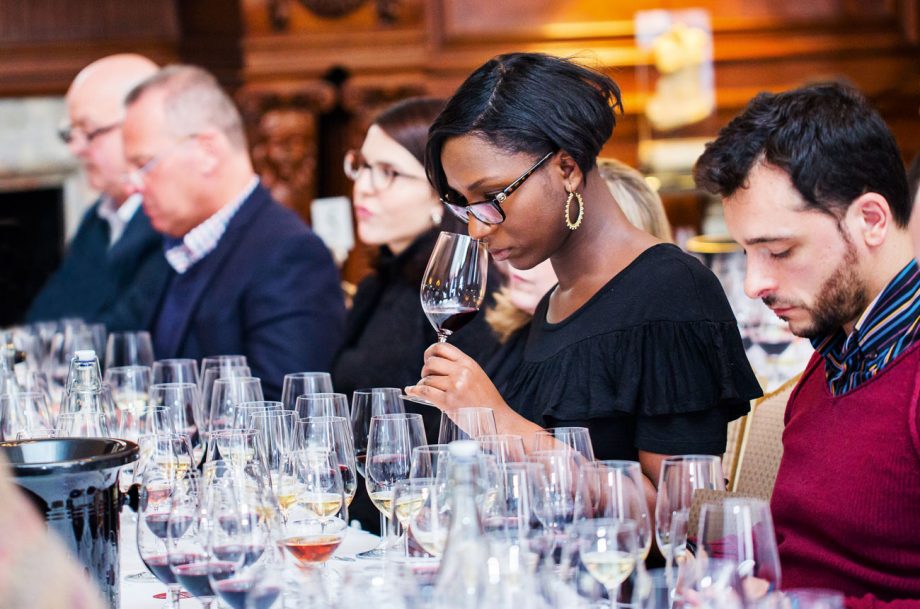
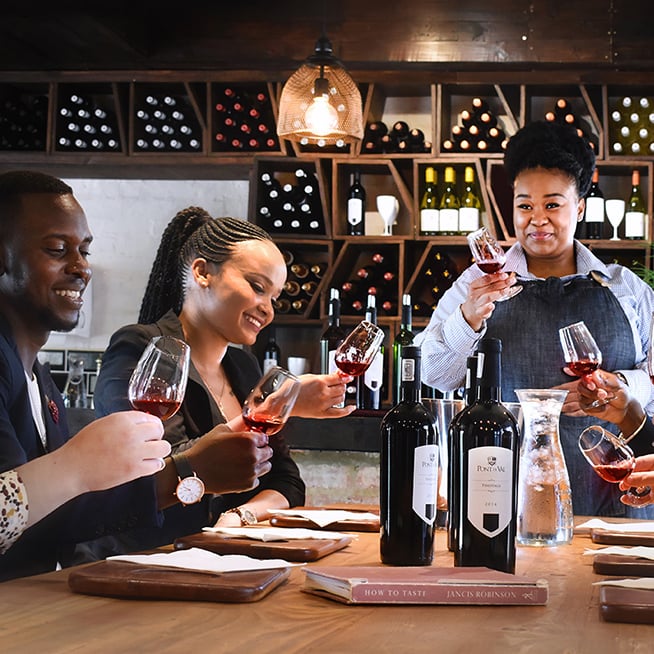
Unlocking the Secrets of the Grape: Your Definitive Guide to Wine Tasting and Beyond with Vintage Cellar For centuries, wine has captivated humanity, a timeless elixir woven into the fabric of culture, celebration, and quiet contemplation. More than just a beverage, it’s an experience, a story bottled, waiting to unfold. Yet, for many, the world of wine can seem daunting, shrouded in an arcane language of tannins, terroir, and lengthy appellations. At the heart of truly appreciating this liquid art lies wine tasting  a sensory journey that transforms a simple drink into a profound exploration. Here at Vintage Cellar, we believe that every sip holds a universe of discovery, and our mission is to guide you through it. Whether you’re a curious novice or a seasoned connoisseur, understanding the nuances of wine tasting enriches every glass. Beyond the swirl and sip, we’ll delve into how to truly taste wine, explore exclusive experiences like private wine tasting events, and discuss the invaluable role of a fine wine concierge service. We’ll also uncork the excitement of vintage wine events and festivals, and shed light on the expertise offered by wine cellar consultants, ensuring your collection thrives. Prepare to embark on an enlightening journey into the heart of viticulture, where passion meets palate, all with the expert guidance you expect from Vintage Cellar. The Art of Wine Tasting: A Journey for the Senses Wine tasting is not merely about drinking; it’s a mindful engagement with the wine, involving sight, smell, and taste. It’s an analytical yet immensely pleasurable process that allows you to discern a wine’s character, quality, and even its history. Learning how to taste wine properly unlocks a deeper appreciation for the winemaker’s craft and the unique conditions that gave birth to each bottle. The Three Pillars of Wine Tasting: See, Swirl, Smell, Sip, Savor The classic approach to wine tasting can be broken down into a few fundamental steps, each revealing a different facet of the wine. See: The Visual Clues Before you even bring the glass to your nose, observe the wine’s appearance. Pour a small amount into a clean, clear glass, preferably against a white background. Clarity: Is the wine clear and brilliant, or cloudy? Clarity usually indicates proper winemaking. Color: The hue can tell you a lot about the grape varietal, age, and even winemaking techniques. White Wines: Young white wines are often pale lemon-green or straw. As they age, they deepen to golden and even amber. Red Wines: Young red wines display vibrant ruby or purple tones. With age, they evolve into garnet, brick, and eventually tawny hues at the rim, indicating maturity and potential sediment. Legs (Tears): After swirling, observe the “legs” or “tears” that slowly drip down the inside of the glass. While often mistaken for an indicator of quality, legs primarily relate to alcohol content and glycerol, suggesting viscosity. Swirl & Smell: Unlocking the Aromas This is arguably the most crucial step, as our sense of smell is far more discerning than our sense of taste. Swirling the wine in the glass aerates it, releasing volatile aromatic compounds. First Impression (Still): Before swirling, take a gentle sniff to catch the most delicate and volatile aromas. Swirl and Deep Sniff: Swirl the wine vigorously for 5-10 seconds to expose it to oxygen, then bring the glass to your nose and inhale deeply. Identify Aromas: This is where the detective work begins. Think in categories: Primary Aromas: These come directly from the grape varietal itself (e.g., blackcurrant in Cabernet Sauvignon, citrus in Sauvignon Blanc, cherry in Pinot Noir). Secondary Aromas: These are generated during the winemaking process (e.g., brioche or toast from yeast contact in Champagne, vanilla or cedar from oak aging). Tertiary Aromas: These develop with bottle aging (e.g., mushroom, leather, tobacco, dried fruit, petrol). Vocabulary: Building a vocabulary of wine aromas takes practice. Don’t be afraid to describe what you smell, even if it feels unconventional. Common descriptors include fruits (berries, stone fruit, citrus), florals (rose, violet), earthy notes (forest floor, mushroom), spices (pepper, clove), and savory notes (bacon, olive). The richness of these aromas is a key indicator of a wine’s complexity and age-worthiness, something Vintage Cellar specializes in. Sip & Savor: The Palate’s Revelation Finally, it’s time to taste. Take a small sip, allowing the wine to coat your entire mouth. Don’t swallow immediately. Initial Impression: What’s your first reaction? Sweet, dry, acidic? Acidity: This gives wine its refreshing quality and zest. High acidity makes your mouth water. It’s crucial for balancing sweetness and cutting through rich foods. Sweetness/Dryness: This refers to the residual sugar in the wine. Most table wines are dry (meaning little to no residual sugar). Tannins (Red Wines): These compounds, found in grape skins, seeds, and oak barrels, create a drying, astringent sensation in your mouth, particularly on your gums. They provide structure and aging potential to red wines. Describe them as silky, grippy, coarse, or fine. Alcohol: Alcohol contributes to a wine’s body and can create a warming sensation. High alcohol wines can feel “hot.” Body: This describes the perceived weight and viscosity of the wine on your palate  light-bodied (like skim milk), medium-bodied (like whole milk), or full-bodied (like cream). Flavors: Confirm the aromas you identified with your nose. Do they translate to the palate? Are there new flavors? Finish: After you swallow (or spit, if doing multiple tastings), how long do the flavors linger? A long, pleasant finish is a sign of a high-quality wine. This “persistence” of flavor is often called the “length.” Practicing these steps repeatedly, perhaps with a simple wine tasting kit or alongside an expert, will significantly sharpen your senses and deepen your understanding. This foundational knowledge is paramount to truly appreciating the exquisite selections available at Vintage Cellar. Elevating Your Experience: Beyond Basic Tastings While individual wine tasting is a rewarding pursuit, sharing the experience, or seeking bespoke services, can elevate it to new heights. Vintage Cellar prides itself on offering services that cater to the discerning enthusiast.

Read More »

The Ultimate Guide to Your Wine Collection: 12 Steps to a Thriving Legacy

Crafting a Premier Wine Collection: A Legacy of Taste and Elegance Crafting a premier wine collection is a journey one that involves knowledge, planning, patience, and passion. It’s a personal and evolving commitment that goes beyond simply buying bottles. Whether you’re stocking your cellar with Bordeaux classics, exploring boutique labels, or discovering emerging wine regions, your collection reflects your palate, values, and lifestyle. From choosing the right vintages to storing them with care, wine collecting becomes an art that grows richer with experience. For many, this process is about more than taste it’s about building a legacy worth sharing with future generations. 1. Understanding Vintage Cellar and the Foundation of a Wine Collection Vintage Cellar is a fine wine advisory platform designed to support collectors at every stage, offering expert services, tailored advice, and access to exclusive wine selections. Unlike retail-focused storage companies, Vintage Cellar takes a more personal and consultative approach. Their advisors help clients build structured portfolios that align with both taste and long-term appreciation goals. With a focus on secure, climate-controlled storage especially in Bordeaux the platform ensures that each bottle matures under optimal conditions. Whether you’re a new enthusiast or a seasoned connoisseur, their insights help you make informed decisions, invest wisely, and enjoy the wine you love with confidence. 2. Why Start a Wine Collection? Pleasure and Education Creating a wine collection opens up a world of discovery. You’ll learn to identify subtle flavor profiles, regional terroirs, and the effect of vintage variations. Tasting wine becomes a meaningful journey of education each bottle tells a unique story about where it came from and how it was made. Sharing this learning process with friends and family adds an enjoyable social dimension to collecting. Investment and Legacy Well-chosen wines often appreciate in value, especially those with proven aging potential. Collecting wine offers a tangible way to diversify assets while indulging in a passion. Over time, your cellar may become a valuable heirloom that carries your taste and experiences forward into future generations. Hosting and Lifestyle Having your own curated wine collection makes entertaining more special. Imagine offering your guests a carefully selected vintage rather than something picked up last-minute from the local store. Your home becomes a space of cultural richness and hospitality, where wine takes center stage in unforgettable moments. Artistic and Aesthetic Enjoyment A wine cellar can be a visual statement. Whether you prefer a rustic brick vault or a modern, glass-encased display, the design and ambiance of your wine storage reflect your personality. Over time, your collection becomes an extension of your home’s elegance and character. 3. Getting Started: Wine Collecting Tips for Beginners Define Your Goals and Budget Before purchasing, ask yourself what you want from your wine collection. Is it for casual enjoyment, investment, or a mix of both? Consider setting a budget that allows for experimentation but also accounts for long-term growth. Begin with reliable regions like Burgundy, Rioja, or Napa Valley, which offer a balance of approachability and aging potential. Research and Seek Wine Advisory Knowledge is essential in building a thoughtful collection. Work with trusted platforms like Vintage Cellar to access curated selections and personalized guidance. Their wine advisory services are designed to match your taste with market insights, helping you make smarter purchasing decisions over time. Choose Styles and Regions A balanced collection includes a variety of regions, grape types, and styles. French reds, Italian whites, New World blends, and sparkling wines all bring different elements to your cellar. This diversity not only enriches your wine experience but also provides options for different occasions and food pairings. Keep Records Maintaining detailed notes is crucial. Use tools like CellarTracker or a personal wine journal to log each bottle’s origin, purchase date, aging window, and tasting experience. Over time, these notes become a roadmap for refining your preferences and planning future purchases. 4. Wine Storage Temperature: The Key to Longevity Wine is sensitive to temperature fluctuations, and maintaining an ideal wine storage temperature is essential for preserving quality. The optimal range of 10 to 13 degrees Celsius, or 50 to 55 degrees Fahrenheit, helps wine age gracefully without premature oxidation. Warmer conditions can accelerate chemical reactions in the wine, while colder temperatures may slow aging too much or risk freezing. Unstable environments where temperature shifts frequently can push air through the cork, leading to oxidation and flavor loss. This is especially harmful for age-worthy wines that rely on slow, controlled maturation. A proper climate-controlled setting keeps the wine stable, ensuring its evolution happens at a natural pace. If you’re storing premium bottles or building a long-term collection, investing in equipment that maintains steady temperature is non-negotiable. It’s a fundamental part of protecting both the taste and the value of your wine over time. 5. How to Store Wine Long Term: Crafting the Right Environment Choose the Right Space Select a storage area away from direct sunlight, heat sources, and vibrations. Ideal spaces include basements, custom-built cellars, or purpose-built wine refrigerators. Avoid locations near laundry machines, heating systems, or exterior walls that experience temperature changes. Decide Between Active and Passive Storage Passive storage uses natural insulation, such as underground basements, to maintain a stable climate. Active storage, however, relies on specialized cooling and humidity control systems. If your environment lacks consistency, especially in dry or hot climates, active solutions are better for safeguarding your collection. Maintain Wine Cellar Humidity Humidity plays a vital role in long-term wine preservation. Ideal wine cellar humidity is between 60 and 70 percent, which keeps corks from drying out and shrinking. A dry cork can allow air to seep in, oxidizing the wine and degrading its flavor and aroma over time. Conversely, too much humidity can damage labels and lead to mold. Invest in High-Quality Racking and Doors Durable wood or metal racking provides stability, while dual-pane glass doors offer insulation and UV protection. If your cellar is on display, choose materials that balance functionality and design. The goal is to preserve wine integrity while

Read More »

SPECIAL OFFER

Ready to dive into the world of fine wine?
20%
OFF

on your first acquisition


Enter your email to hear from our wine experts


Follow us

Download our app

Enjoy 20% OFF on your first acquisition
barrel logo

Cellar Plans 2025

Unveil Our Exquisite Cellar Plans for 2025: Curated Wine Packages Just for You! .no-hover-glow { text-decoration: none; /* Removes underline */ color: inherit; /* Inherits the color from the parent element */ } .no-hover-glow:hover { color: inherit; /* Ensures no color change on hover */ text-decoration: none; /* Prevents underline on hover */ box-shadow: none; /* Removes any glow or shadow effect */ }

Enjoy 20% OFF on your first acquisition
Seraphinite AcceleratorOptimized by Seraphinite Accelerator
Turns on site high speed to be attractive for people and search engines.