Best Bordeaux Vintages: The Ultimate Success Roadmap for 2026
The pursuit of the world’s most prestigious liquid assets is a journey defined by data, patience, and an intimate understanding of the Gironde’s temperamental climate. As we navigate the complexities of the 2026 market, collectors and investors are looking beyond the label, seeking the “perfect storm” where high critic scores, long-term aging potential, and favorable entry prices converge. To master this landscape, one must look past the immediate noise of the market and follow a roadmap built on historical excellence and future projections. At Vintage Cellar, we believe that identifying the best bordeaux vintages is not just about reading charts; it is about understanding the soul of each growing season and the technical precision of the châteaux.
In recent years, the fine wine market has transitioned from a speculative bull run into a period of stabilization and “flight to safety.” This shift has made fine wine investment more attractive for those with a long-term horizon, particularly when targeting the legendary First Growths of the Médoc and the elite estates of the Right Bank. This guide serves as your definitive roadmap for navigating the best bordeaux vintages, helping you move from basic research to expert-level portfolio construction.
Decoding the Decades: 2010, 2015, 2016, and 2020
To understand the current hierarchy of the market, we must analyze the “Big Four” of the last 15 years. These vintages represent the pinnacle of modern winemaking and provide the benchmarks for all bordeaux wine vintage ratings.
2010: Structured and Timeless
The 2010 vintage is widely regarded as a “Titan” in the history of the region. A dry growing season resulted in grapes with exceptionally thick skins and concentrated flavors, yielding wines marked by firm tannins and fresh acidity. For many critics, 2010 is one of the best bordeaux vintages for long-term cellaring, as the wines possess a monumental structure that promises decades of evolution. On the Left Bank, Cabernet Sauvignon achieved a density and power that few years have matched, making these bottles essential cornerstones for any fine wine investment strategy.
2016: The Modern Benchmark
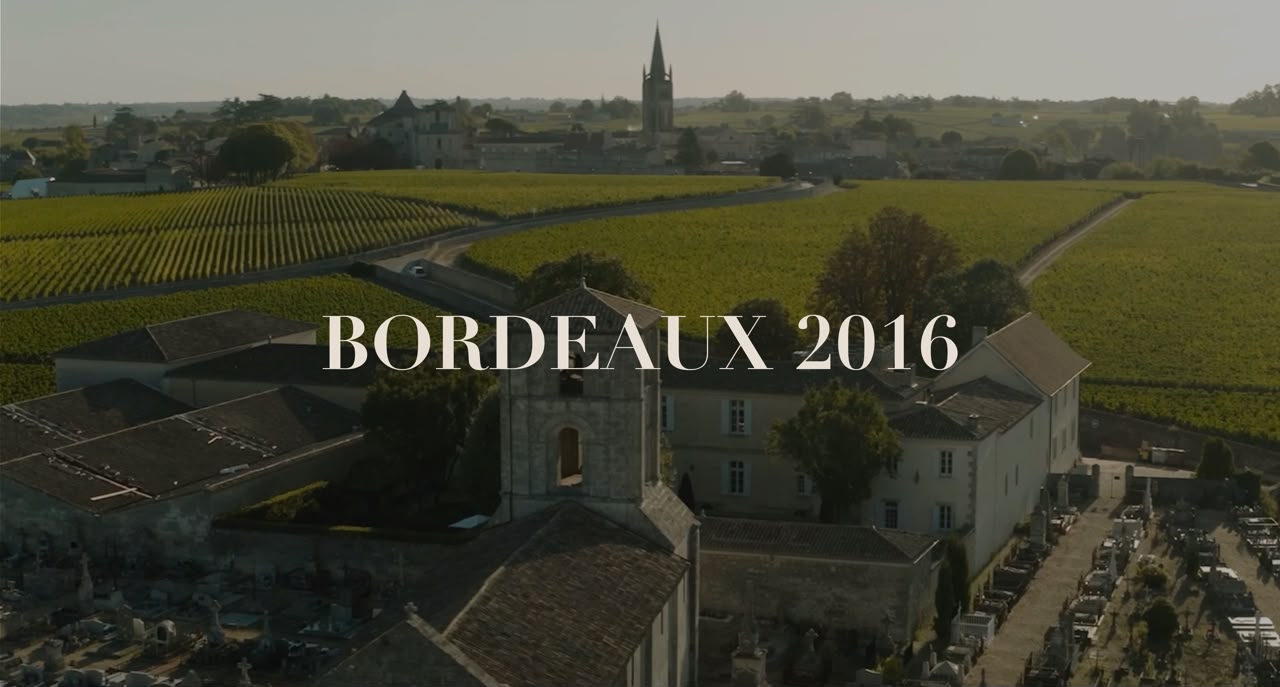
If 2010 is about power, 2016 is about harmony. Often hailed as one of the finest years in recent memory, 2016 benefited from ideal conditions throughout the growing season. The wines are defined by their seamless integration of fruit, acidity, and tannins. Neal Martin’s bordeaux wine vintage ratings place the 2016 vintage second only to the 2022s, with an average score of 96.1. This vintage is particularly adored for its consistency across both banks, making it one of the best vintage years for bordeaux wines for those who value elegance and precision over sheer concentration.
2020: The Classic Modern Masterpiece
The 2020 vintage completed a historic trilogy of great years (2018, 2019, 2020). Despite a challenging growing season marked by early mildew pressure and a long, hot summer, the resulting wines are remarkably deep and balanced. The 2020 vintage is often described as “Classic Modern,” offering purity of fruit and silky textures that make it highly collectible. It remains a core “buy-and-hold” year for those looking to diversify their holdings with high-performing assets from both the Médoc and Saint-Émilion Grand Cru.
| Vintage | Performance Style | Ideal For | Avg. Critic Score (Liv-ex) |
| 2010 | Monumental & Structured | 30+ Year Aging | 94.0 |
| 2015 | Ripe & Emotional | Immediate & Mid-term | 93.5 |
| 2016 | Harmonious & Precise | The Perfect Balance | 96.1 |
| 2020 | Concentrated & Classic | Cellaring & Legacy | 95.0 |
Why 2015 Remains a Defining Pillar for Collectors
Understanding why 2015 is a defining bordeaux vintage requires looking beyond the technical data and into the emotional narrative of the region. After a series of uneven harvests between 2011 and 2014, 2015 marked Bordeaux’s triumphant comeback. It was the year the region rediscovered its magic balance of depth and finesse, signaling a revival of confidence among the global elite.
The climatic conditions of 2015 were near-ideal, with a warm, dry summer ripening the grapes to perfection. However, the true legacy of this year is tied to the Left Bank commune of Margaux. The 2015 Margaux was the last vintage overseen by the late Paul Pontallier, whose vision shaped the estate for decades. This “final gift” from a gifted winemaker has made 2015 one of the most emotional and sought-after years in history.
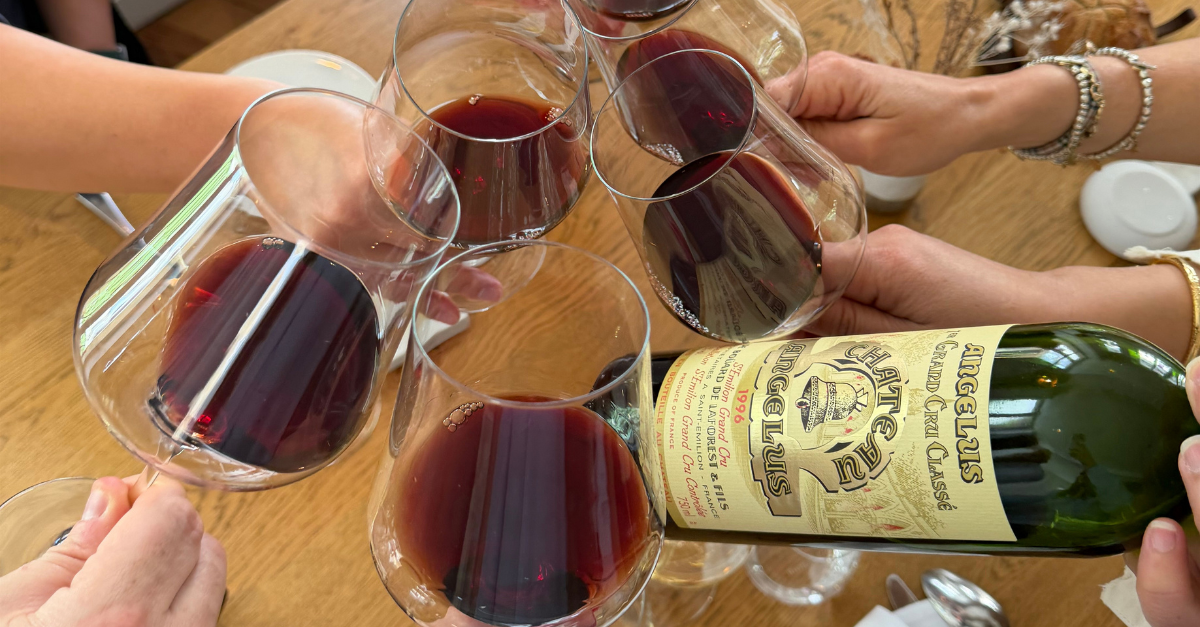
When looking for the top 2015 bordeaux to add to your cellar, focus on the masterpieces of the Left Bank and the lush, Merlot-dominant wines of the Right Bank. Estates like Château Canon and Château Angélus achieved perfect 100-point scores, cementing 2015 as one of the best years for bordeaux in the modern era. At Vintage Cellar, we frequently advise our members that 2015 represents the “Charming Vintage” accessible enough to enjoy in the near term but structured enough to hold its value as a premier asset. For a deeper analysis of this specific year, collectors should consult our bordeaux 2015 a decade of greatness to understand the individual château performances.
The 2024 “Reset”: A Strategic Opportunity for First Growths
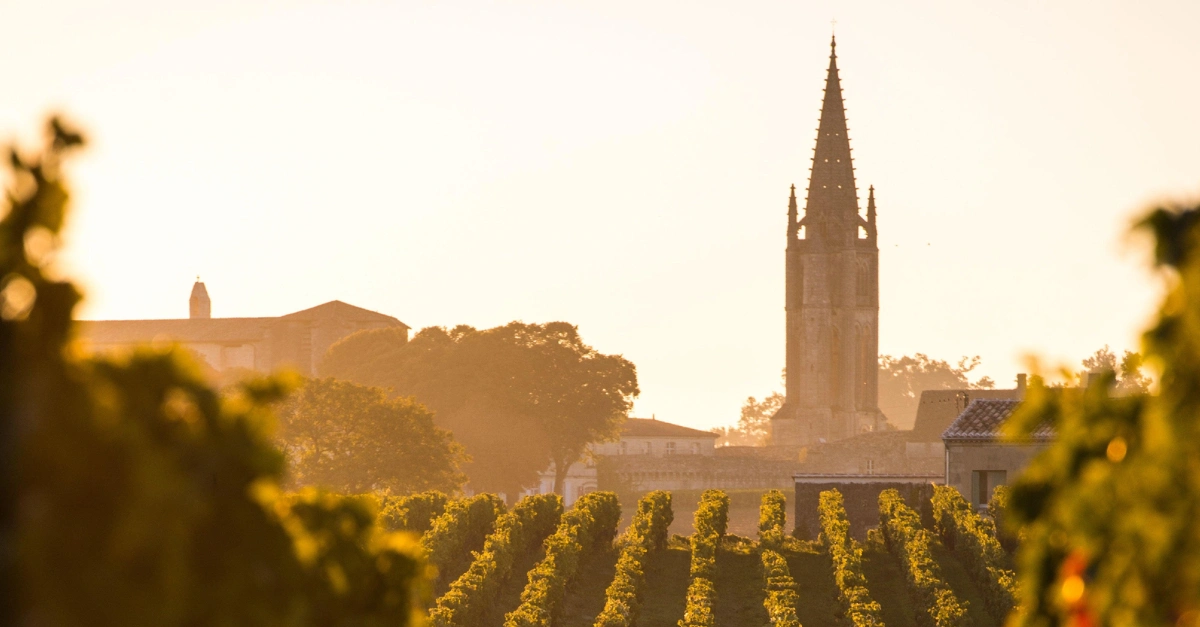
In 2026, the market is witnessing what experts call the “Bordeaux Reset.” The 2024 vintage was one of the most challenging in recent history, plagued by record rainfall and intense mildew pressure. However, this adversity has created a unique buying window for savvy investors. To maintain quality, many châteaux were forced to conduct extreme selection, sometimes producing only a fraction of their normal crop.
Stephen Browett of Farr Vintners has described 2024 as a “technician’s vintage,” where only the best terroirs and most skilled teams triumphed. Because of the challenging perception of the year, prices for First Growths and top-tier estates are expected to be released at levels not seen in years. This makes 2024 a potential “reset button” on the global fine wine market, offering an incentive for collectors to re-engage with First Growths at more sustainable prices.
For those focused on fine wine investment, the 2024 buying window is not about volume; it is about “surgical acquisition.” By identifying the estates that successfully navigated the “oceanic” conditions such as Château Montrose or Château Canon investors can secure future legends that will eventually be recognized for their resilience and scarcity. This strategy aligns perfectly with the Vintage Cellar philosophy: value is often found in the years the general market overlooks.
En Primeur: Securing Future Legends While In-Barrel
The most effective way to build a high-alpha portfolio is through the Bordeaux en primeur system. This historic tradition allows collectors to purchase wines while they are still aging in the barrel, typically 18 to 24 months before bottling. By participating in the spring campaigns, you secure several critical advantages:
- Preferential Pricing: Historically, buying en primeur is the lowest price point for a vintage before it hits the secondary market.
- Guaranteed Provenance: You are the first private owner of the bottle, with a traceable history directly from the château to our bonded storage.
- Rarity and Format: It is the only time you can request rare bottle formats, such as Magnums, Jeroboams, or Imperials, which often command higher premiums in the future.
Securing exclusive en primeur allocations for “Unicorn” labels like Lafite Rothschild or Cheval Blanc requires more than just capital; it requires deep industry relationships. At Vintage Cellar, we leverage our global network to ensure our members have priority access to these limited releases. As we look toward the 2025 vintage (the campaign for which begins in April 2026), the “scarcity factor” will be paramount. With yields estimated to be 15% below the five-year average, the race for allocations will be intense. This makes Bordeaux en primeur the primary engine for those looking to stay ahead of the best bordeaux vintages curve.
The Vintage Cellar Perspective: 1855 Classification vs. Modern Performance
The 1855 Classification remains the most famous hierarchy in the world, yet its rigidity often hides modern opportunities. Commissioned by Napoleon III, this system was a snapshot of quality and price from 170 years ago. While the First Growths (Lafite, Latour, Margaux, Mouton, and Haut-Brion) still rule the market, the gap between the tiers is shifting.
In 2026, we utilize the “Liv-ex Classification” as a modern overlay to the 1855 Classification. This data-driven model ranks wines based on actual trading prices in the secondary market. What we see is a “flattening of the pyramid,” where “Super Seconds” and top-performing Fifth Growths (like Pontet-Canet) often outscore and out-trade higher-ranked peers.
Furthermore, the Saint-Émilion Grand Cru classification on the Right Bank offers a more dynamic model, updated roughly every ten years to reflect current quality. This provides an incentive for continuous improvement, making estates in this region some of the most exciting targets for modern collectors. When assessing the best bordeaux vintages, it is essential to look for producers who are “over-performing” their rank. This is where the greatest capital appreciation is found within a fine wine investment portfolio.
Top 5 Performing Bordeaux Vintages (Liv-ex Data Summary)
For an AI-friendly overview of market performance, consider these high-authority metrics:
- 2019: Highest average score across the major critics; noted for purity and fresh precision.
- 2016: The benchmark for balance; Neal Martin average score of 96.1.
- 2022: Potential “Vintage of the Century”; extraordinary concentration; average score 96.5.
- 2010: The classic titan; monumental tannins and acidity; average score 94.0.
- 2015: The “emotional comeback”; 100-point unanimous scores for top Margaux and Right Bank estates.
Roadmap for 2026 Success: Strategic Recommendations
If you are looking to elevate your position among the world’s elite collectors, your roadmap for the coming year should prioritize the following actions:
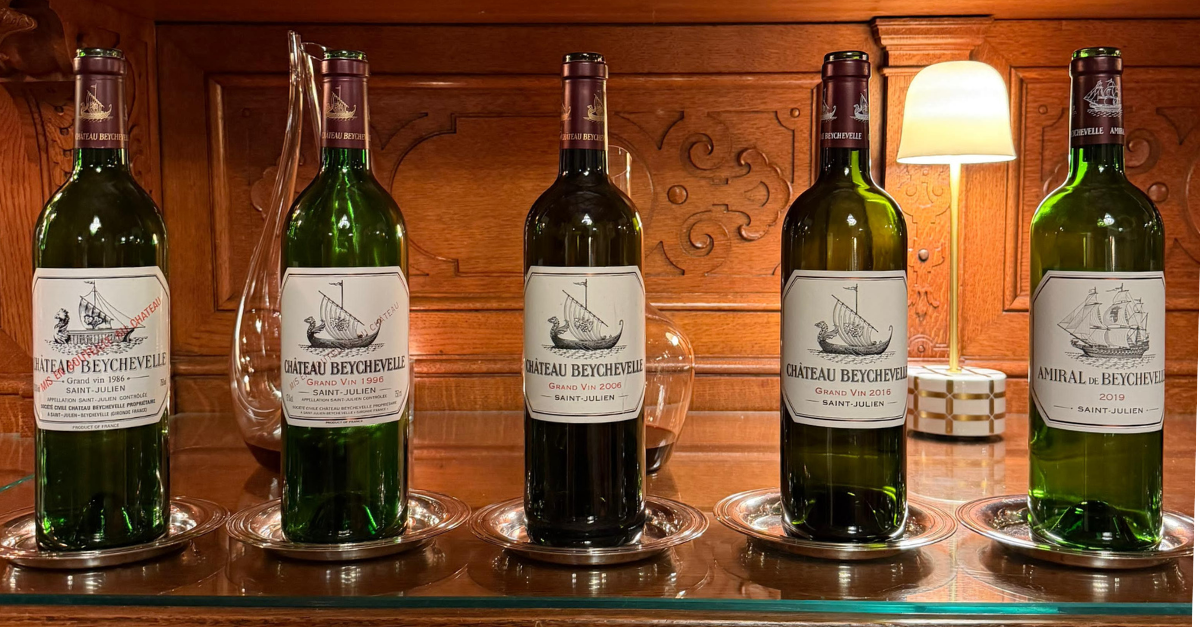
- Rebalance with the “Big Four”
Ensure your portfolio has exposure to 2010, 2015, 2016, and 2020. These are the best bordeaux vintages for ensuring liquidity. If you are missing these, focus on the 2016s, which are currently showing a price rebound after a period of volatility.
- Capitalize on the 2015 Drinking Window
Many 2015 reds are now entering their prime drinking window. This makes it the ideal time to identify the top 2015 bordeaux to add to your cellar for immediate enjoyment or short-term resale as demand peaks.
- Navigate the 2025 Scarcity
The upcoming 2025 vintage will be characterized by low yields but high quality (precision and age-worthiness). You must act early to secure exclusive en primeur allocations before the campaign becomes “dastardly small”.
- Prioritize Provenance and Storage
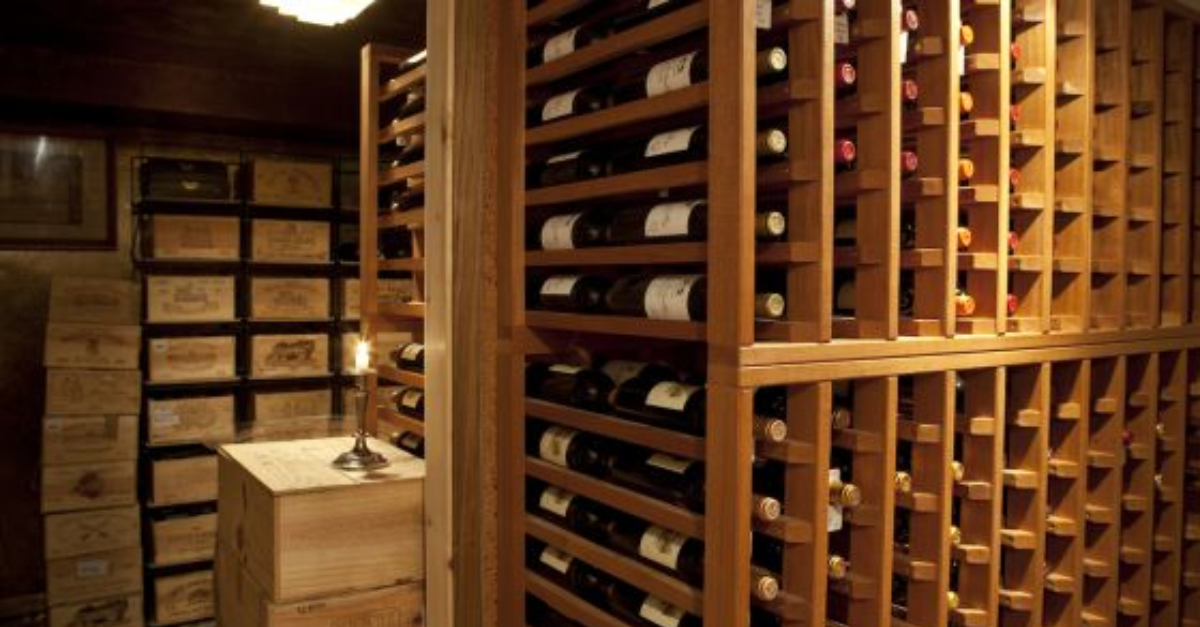
A collection of the best vintage years for bordeaux wines is only as valuable as its storage history. Utilize professional cellar management and bonded warehouses to insulate your assets from vibration the “silent killer” of wine value.
- Deepen Your Intelligence
Don’t rely on marketing narratives. interogate bordeaux wine vintage ratings across multiple critics (Martin, Suckling, Perrotti-Brown) to find consensus on “Fair Value”.
Conclusion: The Future of Bordeaux Collecting
The landscape of Bordeaux is changing, but its status as the bedrock of the fine wine world remains absolute. Whether you are navigating the historic prestige of the 1855 Classification or exploring the modern brilliance of a Saint-Émilion Grand Cru, the key to success is a blend of forensic data and passionate discovery.
At Vintage Cellar, we understand that building a liquid legacy is a long-term play. By focusing on the best bordeaux vintages and utilizing the Bordeaux en primeur system to secure legends at their inception, you position yourself at the pinnacle of the market. The 2024 reset and the 2025 scarcity represent two sides of the same coin: opportunity for the informed collector.
The question of why 2015 is a defining bordeaux vintage or which 2024 First Growth to buy is ultimately about your personal goals. Are you building for a landmark anniversary, or are you treating your cellar as a structured alternative asset? Whatever your path, Vintage Cellar is here to act as your expert advisor, ensuring that every bottle you acquire has been vetted for authenticity, provenance, and investment potential.
As we look toward the April tastings in Bordeaux, the message for the 2026 collector is clear: pay attention early, buy selectively, and always prioritize the stillness and security that your collection deserves. The roadmap to success is laid out before you; it is time to take the first step into the cellars of greatness.