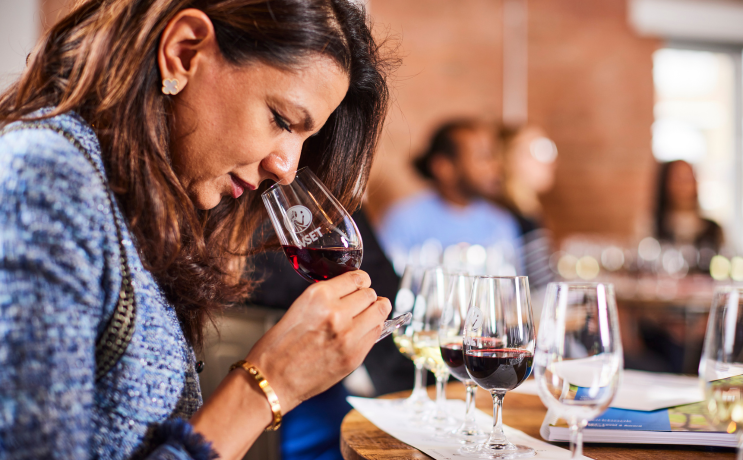
Wine Tasting Notes: The Forensic Key to Authenticity and Protecting Wine Investment How to identify fake vintage wine: Wine Tasting Notes from our best sommelier. For the discerning wine collector and investor, the act of assessing a fine or rare bottle extends far beyond mere appreciation. Wine tasting notes transition from subjective pleasure diaries to mandatory forensic records, establishing the final, undeniable evidence when determining how to identify fake vintage wine. In the high-stakes world of rare wine acquisition, where the global market for counterfeit wine represents a threat valued at billions annually, mastering the systematic sensory analysis (SAT) is a non-negotiable security layer. This comprehensive sensory approach provides the internal confirmation the chemical and textual fingerprint that the liquid inside the bottle aligns precisely with the pedigree promised by the label, the claimed age, and the resulting market price. The risks associated with wine fraud are complex, involving everything from mislabeling and substituting cheaper vintages to outright adulteration and refilling antique bottles. While technology assists in tracking the bottle’s journey, the liquid itself must pass the ultimate test of integrity. For this reason, rigorous, structured tasting is the foundation of effective wine fraud detection. An expert’s capacity to identify sensory inconsistencies a young aroma profile in an old bottle, or an off-flavor suggesting contamination is critical for triggering further forensic investigation. This methodology is essential for protecting wine investment. Vintage Cellar specializes in integrating expert sensory analysis with verifiable documentation (provenance) and optimal storage conditions. This approach provides comprehensive wine authentication services, ensuring that every asset acquired is genuine and that the value derived from a vintage wine valuation service is defensible. The confluence of sensory integrity and documented history is the core defense mechanism required for thorough wine collector due diligence. The Foundational Framework: Translating Sensory Input into Forensic Data 2.1. The Systematic Approach to Tasting (SAT): A Protocol for Due Diligence Professional wine assessment cannot rely on casual observation; it requires a structured, repeatable methodology to eliminate bias and ensure objective data capture. Frameworks like the Wine & Spirit Education Trust’s (WSET) Systematic Approach to Tasting (SAT) or advanced tasting grids are used by sommeliers and appraisers globally to mentally separate and analyze visual, aromatic, and gustatory components. This professional technique transforms subjective perceptions into forensic data points. The process typically begins with the visual assessment, often summarized by the Five S’s: See, Swirl, Sniff, Sip, and Savor. The “See” stage involves visually assessing the wine’s clarity, intensity, and hue. Color provides immediate, crucial clues about age, grape varietal, and extraction methods. For instance, older red wines are expected to show brick or tawny hues near the rim; the absence of this age-driven color change in a claimed old vintage may be an initial visual clue for how to identify fake vintage wine. The clarity and the ullage (fill level) of the liquid inside the bottle also relate directly to the bottle’s storage conditions and structural integrity. Any premature browning or excessive haziness suggests oxidation or damage, potentially compromising the fine wine provenance importance long before the bottle is opened. The next stages, “Swirl” and “Sniff,” focus on olfactory assessment, which accounts for up to 80% of what is commonly perceived as “taste”. Swirling gently aerates the wine, releasing volatile aromatic compounds necessary for detailed evaluation. This systematic release is essential for interpreting the wine’s bouquet and moving toward definitive wine fraud detection. 2.2. The Chemistry of Complexity: Primary, Secondary, and Tertiary Aromatic Markers The most critical function of a detailed tasting note in authenticity verification is its capacity to classify and interpret aromatic markers according to their source and stage of development. Professional notes categorize these into three distinct levels: primary, secondary, and tertiary. This classification is paramount for verifying age claims central to any vintage wine valuation service. Primary aromas are those derived directly from the grape variety itself and the soil/climate (terroir). They encompass fruit, floral, and herbal components, such as black fruit (cassis), citrus (lemon zest), or specific herbal notes (menthol in certain Cabernet Sauvignon wines). Secondary aromas are the result of winemaking practices, specifically fermentation and post-fermentation treatments. These include notes imparted by yeast (biscuit, bread, derived from lees contact), malolactic conversion (the buttery notes of diacetyl, or yogurt), and oak aging (vanilla, clove, smoke). However, the tertiary aromas are the true indicators of age and maturity. These complex components develop exclusively during bottle aging in an ideal, controlled environment and are absolutely essential for determining the integrity of a rare or aged wine. For aged red wines, experts expect the fresh fruit character to evolve into stewed or dried fruit (fig, prune, tar) and complex notes of leather, forest floor, earth, mushroom, game, and tobacco. Aged white wines, particularly Riesling or specific white Bordeaux, develop notes of petrol, kerosene, honey, and dried apricot or marmalade. The absence of this complex, developed tertiary spectrum in a wine claimed to be decades old represents the single most crucial sensory data point for how to identify fake vintage wine. Furthermore, tasting notes must account for regional typicity. Structural profiles differ vastly between regions: top Bordeaux wines are expected to be powerful, structured, and tannic, built for decades of aging, while premier Burgundy wines are known for finesse, elegance, and higher acidity. When a wine labeled as an aged, powerful Bordeaux exhibits the light body, high acidity, and red fruit delicacy of a New World Pinot Noir, this sensory inconsistency strongly suggests fraud. The expected regional style, when systematically compared against the actual sensory profile, becomes a vital step in robust rare wine authenticity check protocols. 2.3. Structural Assessment: Acidity, Tannin, and Body as Indicators of Longevity Following the olfactory assessment, the “Sip” stage involves assessing the wine’s structure, balance, and concentration. These elements are key determinants of quality and potential longevity, directly influencing the outcome of any expert wine appraisal. Acidity, registered primarily along the sides of the tongue, provides the wine’s freshness and vibrancy, making it feel “mouthwatering”. Along with tannin, high