Vintage Cellar

Enjoy 20% OFF on your first acquisition

Events
& experiences

Destinations on Vogue title goes here
tailor made experiences

bordeaux en-primeur-featured-image

Bordeaux 2024 Vintage: The Vintage of Triumph

In recent years, Bordeaux has weathered increasingly difficult growing conditions, but 2024 stands apart—for the sheer scale of its climatic challenges. This year has taken dérèglement climatique to new extremes, testing the limits of even the most seasoned producers. A decade ago, a vintage shaped by such adversity might have been written off entirely. But Bordeaux, perhaps more than any other fine wine region, has evolved. Armed with cutting-edge technology, deep viticultural knowledge, and an unyielding spirit, producers are no longer merely reacting—they’re adapting. What was once unthinkable is now met with resolve and innovation. The 2024 growing season in Bordeaux was defined by extremes—soaring spring temperatures followed by intense summer storms, then a sudden cool snap in early September. Vineyards from Saint-Émilion to the Médoc saw fluctuations that would have previously devastated yields. But growers have learned to read the vines like never before, adjusting pruning techniques, irrigation, and canopy management in real-time to safeguard both quantity and quality. This resilience has been a long time in the making. Bordeaux has been investing heavily in research and development, with a new generation of oenologists and agronomists spearheading innovation. Drones, satellite imaging, and AI-driven weather forecasting are now common tools in many estates. These advancements have allowed Bordeaux’s winemakers to anticipate risks and tailor their responses vineyard by vineyard—sometimes even row by row. Beyond technology, Bordeaux has also leaned into biodiversity and regenerative agriculture. More estates than ever are converting to organic or biodynamic farming, not just as a philosophy, but as a pragmatic strategy for building soil health and long-term vine resilience. Cover crops, reduced chemical inputs, and mixed farming systems are helping vineyards absorb climate stress more effectively than before. The wines of 2024, while born of chaos, are expected to carry a remarkable signature. Early tastings suggest purity, freshness, and surprising balance in both red and white wines—a testament to the region’s ability to not just survive, but thrive, amid hardship. Bordeaux, long celebrated for its tradition, is proving that tradition and transformation can go hand in hand. What does this mean for the future? Bordeaux is becoming a blueprint for other global wine regions facing similar threats. Its ability to marry heritage with high-tech solutions, and elegance with environmental responsibility, signals a promising path forward. In 2024, Bordeaux doesn’t just reflect a vintage—it reflects a movement. 2024 in Summary This year marks the smallest harvest since 1991—but not simply due to low yields per hectare. Instead, it reflects a shrinking vineyard footprint across the region. Revisiting the Five Pillars of a Classic Bordeaux Vintage Traditionally, the success of a Bordeaux vintage was measured against five climatic benchmarks—outlined by Professor Axel Marchal and his team at the University of Bordeaux’s ISVV: Quick and even flowering and fruit set A warm, dry late spring and early summer to support even development Progressive summer water stress, peaking before véraison (color change) Consistent ripening through sustained photosynthesis, without vegetative rebound Dry, stable harvest conditions with moderate warmth and cool nights In 2021, none of these conditions were met. In contrast, 2022 was a textbook. 2023 was a mosaic, partially aligned, partially unruly. As for 2024, the first three conditions were largely absent. The final two fared better, though not without localized exceptions. But in Bordeaux, the story is never written in black and white. To judge this vintage solely by metrics is to miss the nuance. Numbers and weather charts provide a framework, but they can’t fully capture the complex interplay between nature, vine, and human hand. In many corners of Bordeaux, terroir, timing, and technical skills created small miracles, moments where the chaos aligned, and something exceptional emerged. Reports from the ISVV, Gavin Quinney, Sovivins, consulting oenologists, and most importantly, the winemakers themselves, offer a multidimensional view. These voices speak not just of yields and alcohol levels, but of choices made at crucial junctures, such as when to harvest, how much to extract, and which plots to prioritize. This depth of decision-making, shaped by decades of experience and constant learning, underscores the sophistication of Bordeaux’s response. What’s especially striking about Bordeaux in 2024 is the contrast between expectation and reality. Early forecasts were bleak, but on the ground, outcomes varied wildly, sometimes within the same appellation. A gravel terrace might produce vibrant Cabernet Sauvignon, while a neighboring clay slope struggled. It was a vintage where micro-decisions had macro impact, and where intuition proved just as vital as analytics. In this sense, 2024 reminds us that Bordeaux is not a monolith. It is a patchwork of personalities, philosophies, and microclimates. Some producers leaned into risk, while others played it safe. The result is a vintage that defies generalization, a collection of individual stories woven into a broader narrative of resilience and refinement. And therein lies its beauty. Bordeaux 2024 may not satisfy every metric of perfection, but it compels us to look deeper. It challenges us to move beyond vintage charts and embrace complexity. For collectors, critics, and connoisseurs alike, this is a year to explore, to listen, and to taste with curiosity.   Looking Ahead: The Bordeaux 2024 En Primeur Campaign With global uncertainty and a reduced crop, the 2024 campaign will likely see modest allocations and a shift toward cautious pricing strategies. Estates that read the moment well—balancing ambition with accessibility—are poised to earn not just immediate interest but long-term loyalty. Our team was on the ground during the tastings, and while this isn’t a vintage of universal success, it is one of remarkable resilience. Expect updates across our social media, blog, and newsletter as the campaign unfolds. Interested in securing 2024 En Primeur wines for your cellar? Our Wine Advisors are here to guide you through the highlights and hidden gems. EXPRESS INTEREST Some Pictures straight from our Team’ tasing

Read More »
man looking at a bottle of wine

Rare Wine Authentication: Techniques & Best Practices

Rare Wine Authentication: Techniques & Best Practices. In the world of fine wine, authenticity is paramount for collectors, the integrity of a rare wine is not just about its value; it’s about preserving the legacy and story behind each bottle. As the demand for rare wines continues to rise, so does the prevalence of counterfeit bottles in the market. We understand the importance of authentication and are dedicated to providing our clients with the knowledge and tools to ensure that their collections are genuine and of the highest quality. Read on as we explore the techniques and best practices for authenticating rare wines.   Understanding the Importance of Wine Authentication Authenticating rare wines is crucial for several reasons. Firstly, it protects your investment by ensuring that you are acquiring genuine bottles. Secondly, it preserves the integrity of your collection, maintaining its value over time. Lastly, it safeguards the legacy of the wine, ensuring that future generations can appreciate its history and craftsmanship.   The Risks of Counterfeit Wines The rise in the value of rare wines has unfortunately led to an increase in counterfeit bottles entering the market. These counterfeits can range from low-quality imitations to highly sophisticated forgeries that are difficult to detect without expert knowledge. Collectors who invest in rare wines without proper authentication risk significant financial loss and the tarnishing of their collection’s reputation. At Vintage Cellar, we prioritize the importance of thorough authentication before acquiring any rare wine. Our team of experts is equipped with the latest techniques and access to trusted sources, ensuring that every bottle in your collection is genuine.   Techniques for Authenticating Rare Wines Authenticating rare wines involves a combination of physical examination, provenance verification, and expert analysis. Here are some of the key techniques used by professionals to ensure the authenticity of rare wines:   Provenance Verification: Tracing Your Wine’s History Provenance, or the documented history of a wine’s ownership and storage, is one of the most reliable indicators of authenticity. A well-documented provenance can provide insight into the wine’s origins, previous owners, and storage conditions, all of which are crucial in confirming its authenticity. When acquiring rare wines, it’s essential to request detailed provenance records, including auction catalogs, sales receipts, and any documentation from previous owners. At Vintage Cellar, we prioritize provenance verification, ensuring that every bottle we source for our clients has a clear and reputable history.   Label and Bottle Examination: A Little Detective Work A close examination of the wine’s label and bottle is often the first step in the authentication process. Experts look for inconsistencies in the printing, paper quality, and overall condition of the label. For example, older wines should show natural signs of aging, such as faded ink or slight discoloration, while newer labels should be crisp and clear. The bottle itself is also scrutinized for signs of authenticity. This includes examining its shape, glass quality, and any markings or engravings. Counterfeit bottles may have subtle differences in these details, which will be detected by an experienced eye.   Cork and Capsule Inspection: Uncovering Hidden Clues The cork and capsule can reveal important clues about the authenticity of a wine. Inspecting a cork for branding, condition, and any signs of tampering is essential. Genuine bottles often have corks that are branded with the winery’s name or logo, and these should match the branding on the label and capsule. The capsule, which covers the cork, should also be inspected for signs of tampering or replacement. Any irregularities, such as mismatched colors or materials, can be red flags indicating potential counterfeiting.   Vintage Verification: Matching the Wine to Its Year Verifying the vintage is another critical step in the authentication process. This process involves confirming that the wine inside the bottle corresponds to the label’s stated vintage. Some sophisticated counterfeiters will refill old bottles with younger wine, making vintage verification essential. Experts may use a variety of methods to verify the vintage, including tasting, chemical analysis, and comparison with known samples from the same year.   Best Practices for Acquiring Authentic Rare Wines Acquiring authentic rare wines requires diligence, expertise, and access to reliable sources. Below are some of the best practices to follow when adding new wines to your collection.   Only Buy from Reputable Sources It seems obvious, but one of the most effective ways to guarantee authenticity is to purchase rare wines from reputable sources. Trusted wine merchants, auction houses, and producers are more likely to provide wines with verified provenance and authenticity guarantees. At Vintage Cellar, we have established relationships with some of the most respected sources in the wine industry, which gives our clients access to bottles that have been thoroughly vetted for authenticity.   Request a Professional Authentication Before finalizing any purchase, especially for high-value wines, it’s best practice to request a professional authentication. This involves having your potential purchase assessed by an expert who specializes in rare wines. They will be able to provide a detailed report on the wine’s authenticity, including any potential concerns. Our concierge service at Vintage Cellar includes access to top-tier authentication experts who can perform in-depth analyses of any rare wines you’re considering for your collection.   Keep Detailed Records Maintaining detailed records of your wine collection is essential for both authentication and future resale. This includes keeping all documentation related to the purchase and provenance, plus any authentication reports. These records will not only verify the authenticity of your collection but also enhance its value and marketability. We recommend that our collectors keep a comprehensive wine inventory that includes all relevant documentation. Our team can assist in organizing and maintaining these records to ensure that your collection is fully documented.   Conclusion: Safeguarding Your Collection with Vintage Cellar Authenticating rare wines is a vital part of building and maintaining a world-class wine collection. For affluent individuals, the assurance that every bottle in their collection is genuine adds not only to its value but also to the enjoyment and legacy of the collection.

Read More »
man pouring wine

From Vine to Glass: The Story of Fine Wine

From Vine to Glass: The Evolution of Fine Wine From vine to glass, the story of wine is one of transformation, craftsmanship, and tradition. At Vintage Cellar, we celebrate the backstory behind every great wine, and we’re committed to helping our collectors create collections that reflect this. Read on to explore the evolution of fine wine.   The Terroir: The Birthplace of Fine Wine The journey of fine wine begins in the vineyard, where a unique combination of soil, climate, and topography, also known as terroir, lays the foundation for something exceptional. Terroir is often considered the soul of the wine, as it imparts unique characteristics that can’t be replicated elsewhere.   Understanding the Influence of Terroir The concept of terroir is deeply rooted in Old World wine traditions, where vineyards are often meticulously divided into small plots based on their specific microclimates. This results in wines that are highly expressive of their origins, with distinct flavors and aromas that reflect the local environment. For example, the limestone-rich soils of Burgundy contribute to the region’s renowned Chardonnay and Pinot Noir, while the volcanic soils of Mount Etna in Sicily lend a unique minerality to the wines produced there. For collectors, understanding the influence of terroir is fundamental when selecting wines that truly embody the essence of their region. When working with Vintage Cellar, we’ll guide our clients through this complex landscape, ensuring that each bottle in their collection is a genuine representation of its terroir.   The Vineyard: Cultivating Excellence Once a terroir is established, the focus then shifts to the vineyard where the cultivation of grapes is a delicate balance of tradition and innovation. The practices employed in the vineyard—such as pruning, irrigation, and harvesting—play a pivotal role in determining the quality of the wine.   The Role of Sustainable and Organic Practices In recent years, there has been a growing movement towards sustainable and organic viticulture. Winemakers are increasingly recognising the importance of preserving the health of vineyards and the surrounding ecosystem. Organic and biodynamic farming practices, which avoid synthetic chemicals and emphasize natural processes, are becoming more prevalent among top-tier vineyards. These practices not only benefit the environment but also enhance the quality of the wine, resulting in purer expressions of the grape and terroir. Collectors who prioritize sustainability can find exceptional wines from producers committed to these practices, adding an ethical dimension to their collection.   The Harvest: A Moment of Precision Harvest is a critical moment in the journey of wine. The timing of the harvest can significantly influence the wine’s flavor profile, acidity, and alcohol content. In many of the world’s top wine regions, the harvest is still done by hand, allowing for a careful selection of the ripest grapes.   The Art of Timing Timing the harvest requires a deep understanding of the vineyard and its microclimate. Winemakers must balance the sugars, acids, and tannins in the grapes to achieve the desired style of wine. Early harvesting typically results in wines with higher acidity and lower alcohol, while later harvests can produce richer, more full-bodied wines. At Vintage Cellar, we understand the importance of the harvest in our selection process. By choosing wines from producers who prioritize precision and care in their harvest, we ensure that our clients receive bottles that exemplify the best that the vineyard has to offer.   The Winemaking Process: Crafting the Liquid Art After the harvest, grapes are brought to the winery where the transformation from fruit to wine begins. This process involves a series of steps that must be followed meticulously, each of which contributes to the final character of the wine.   Fermentation: The Heart of Winemaking Fermentation is the stage of winemaking where the sugars in grapes are converted into alcohol by yeast. This process determines the wine’s flavor, texture, and structure. Winemakers can influence the outcome through decisions like whether to ferment in stainless steel, oak barrels, or even concrete, each giving different characteristics to the wine. For instance, stainless steel fermentation is often used for white wines to preserve their fresh, fruity qualities, while oak barrels are favored for red wines to introduce complexity and aging potential. The choice of fermentation vessel is a reflection of the winemaker’s vision.   Aging: The Maturation of Fine Wine Aging is when the wine truly begins to develop its character. This can occur in barrels, tanks, or bottles, depending on the desired outcome. Barrel ageing, particularly in oak, is common for many fine wines, as it adds depth, texture, and subtle flavors such as vanilla, spice, and smoke. The length of aging also plays a critical role in the properties of the end product. Wines that are aged for extended periods often develop more complex and nuanced flavors, making them highly desirable for collectors. At Vintage Cellar, we take great pleasure in selecting wines that have been aged perfectly, ready to be uncorked and enjoyed or laid down for the future.   From Bottle to Glass: The Final Reveal After years of careful cultivation, fermentation, and aging, the wine is finally bottled and ready to be enjoyed. But the journey doesn’t end there. How the wine is stored, decanted, and served can significantly influence the drinking experience.   Proper Storage: Preserving Quality Proper storage is essential to maintaining the quality of fine wine. Factors such as temperature, humidity, and light exposure need to be carefully controlled to prevent spoilage and preserve the wine’s integrity. Vintage Cellar offers state-of-the-art storage solutions, ensuring that your collection is kept in optimal conditions until it is ready to be enjoyed.   The Art of Decanting Decanting is an often-overlooked but crucial step in the enjoyment of fine wine. It’s a process that allows the wine to breathe, enhancing its aromas and flavors, and separates any sediment that may have developed over time. In particular, decanting can elevate the experience of older wines, revealing the full complexity that has developed over years or even decades.   Conclusion: The Timeless Journey

Read More »
man tasting wine

A Time to Invest in Blended
Scotch Whisky

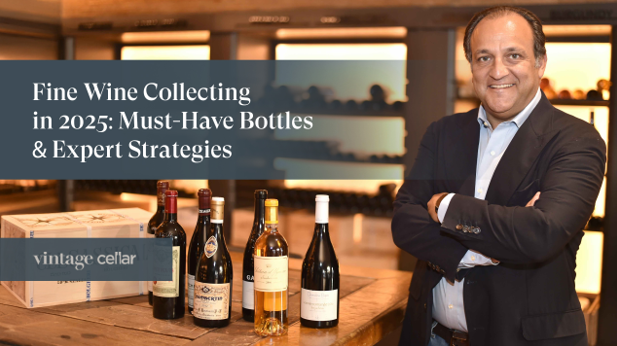
A Time to Invest in Blended Scotch Whisky Founder and CEO of LuxForte, Collector, and Advisor, Dillon Bhatt shares his thoughts on navigating the world of luxury investment and rare whisky. For the discerning collector, every acquisition is more than just an asset—it’s a story, an investment, and an experience. Luxury goods like rare whisky and timepieces embody craftsmanship and heritage, making them not only objects of desire and consumption but also valuable investments. As the market for high-end collectibles expands, making informed decisions when acquiring a rare whisky or timepiece is crucial. True investments are not about chasing trends but about identifying pieces with lasting significance, defined by rarity, heritage, and timeless appeal.   The Pleasure of Collecting Luxury Goods Collecting luxury items goes beyond acquiring possessions—it celebrates artistry, history, and craftsmanship. Rare whisky and fine timepieces, for example, are more than just objects; they represent legacies that span generations. The true value lies not only in financial growth but in owning pieces of history that offer a unique experience. For knowledgeable collectors, every acquisition is a step in a journey of evaluating, appraising, and considering both the aesthetic and financial potential of the piece. It’s about understanding what makes an item beautiful and worthy of investment.   Whisky and Watches: Two Sides of the Same Coin Whisky and watches share a timeless allure, both rooted in craftsmanship, tradition, and the passage of time. A fine whisky matures in the cask, deepening in complexity, just as a watch ages with wear, developing patina and character. When it comes to investing, rarity and quality drive value. A watch’s worth lies in its maker’s pedigree, movement, design, and condition. Likewise, whisky’s appeal depends on the distillery’s reputation, cask selection, age, and blending mastery. Both are finite treasures, growing more desirable over time. Each bottle of whisky enjoyed makes the remaining ones even rarer, while well-preserved watches become prized heirlooms as fewer remain in pristine condition.   Hallmarks of a Valuable Investment Some assets don’t just hold value, they tell a story, ignite passion, and grow in desirability, becoming part of a legacy. Here’s what defines a truly valuable investment: Rarity – Limited releases, discontinued models, and bottles from closed distilleries gain value due to scarcity. The rarer the piece, the stronger the demand. Craftsmanship – A watch’s movement, design, and maker’s pedigree matter, just as whisky’s aging process, cask selection, and blending expertise define its quality. Provenance – Strong brand heritage and a well-documented history add credibility and long-term value in both markets. Enjoyment – Beyond financial gain, the real reward is in experiencing a fine whisky or timepiece. Whisky is a diminishing asset as bottles get consumed, while watches wear over time, making pristine pieces even more valuable.   The Appraisal Process: Assessing Whisky’s True Value Evaluating rare whisky follows the same principles as appraising a luxury watch. Beyond physical condition, such as bottle integrity and packaging—true value lies in its future potential. Has it been properly stored? Does the distillery’s reputation enhance its long-term worth? These are key questions seasoned investors consider. Market trends also play a role. What are collectors gravitating toward? How might preferences shift in the next 5–10 years? Recognizing these patterns helps investors make informed decisions and identify pieces with lasting appeal.   The Value Beyond Investment Rare whisky and fine timepieces offer more than financial returns, they embody history, craftsmanship, and the art of collecting. Each bottle uncorked and every watch worn tells a story, connecting past and present in a way few assets can. True collectors don’t just chase value; they seek meaning. Rarity, provenance, and age matter, but so does the personal joy of ownership. Investing in these treasures isn’t just about numbers, it’s about passion, legacy, and the pursuit of timeless excellence. Source: https://www.houseofhazelwood.com/blogs/journal/a-time-to-invest-in-blended-scotch-whisky?

Read More »
different red wine bottles

How to Identify and Acquire Rare Fine Wines: Expert Tips

  How to Identify and Acquire Rare Fine Wines: An Expert Explains   The Collector’s Guide to Identifying & Acquiring Rare Fine Wines For the serious wine collector, nothing beats the thrill of uncovering a rare bottle. This is not just about value; a vintage of note represents history, craftsmanship, and the unique origin story of its vineyard. At Vintage Cellar, we specialize in helping collectors identify and acquire these gems, turning a passion into a thoughtfully curated collection that’s both prestigious and high value. Here’s our expert guide on how to identify and acquire rare fine wines.   What Makes a Wine Rare? A wine’s rarity comes from various factors, including limited production, age, provenance, and the reputation of its vineyard or winemaker. Understanding these elements is key to identifying wines that are truly exceptional.   Limited Production: The Scarcity Factor Wines produced in small quantities, often from boutique wineries or specific vintages, are inherently rare. These wines are crafted with incredible attention to detail, using grapes from the best vineyards and made with a focus on quality over quantity. Two wines we love, Screaming Eagle from Napa Valley and Domaine de la Romanée-Conti from Burgundy, are produced in extremely limited numbers and are highly sought after by collectors worldwide.   Age and Provenance: The Time Element Older vintages that have been carefully stored can be incredibly rare, especially with documented provenance. Provenance, or the history of the wine’s ownership and storage, is crucial in verifying authenticity and quality. At Vintage Cellar, we place great importance on provenance to guarantee the wines we source come with a clear and reputable history.   How to Identify Rare Fine Wines Identifying rare fine wines requires knowledge, experience, and access to reliable sources. Here are expert tips to help you build a prestigious collection.   Research and Knowledge: Stay Informed Understanding the wine market, knowing which vintages are exceptional, and keeping up with industry trends are crucial. Reading wine publications, attending auctions, and networking with experts can provide valuable insights.   The Labels and Vintages You Should Recognize Certain labels and vintages are universally recognized as rare and valuable. Bordeaux’s 1982 vintage or the 1945 vintage from Château Mouton Rothschild are legendary. Similarly, labels like Château Lafite Rothschild, Château Latour, and Château Margaux are synonymous with rarity and quality.   Why Expert Advice Matters While knowledge is power, expert advice is invaluable. At Vintage Cellar, our advisors provide personalized recommendations based on your tastes and collection goals, ensuring every acquisition is a valuable addition to your collection.   How to Acquire Rare Fine Wines Acquiring rare fine wines requires strategy, patience, and the right connections. Here’s how you can successfully add rare gems to your collection.   Private Sales and Auctions: Exclusive Access Private sales and auctions often feature limited releases, older vintages, and wines unavailable through traditional retail channels. We have exclusive access to prestigious auctions and private collections worldwide, regularly bidding on behalf of our clients.   Build Relationships with Reputable Merchants Trusted merchants often have exclusive allocations and can offer first pick of rare bottles. Our concierge service includes a network of approved partners who provide our clients with access to limited-edition wines.   Consider En Primeur Purchases En primeur, or ‘wine futures,’ allows collectors to acquire rare wines while still in the barrel at a discounted price. Though requiring expertise and trust, en primeur purchases secure sought-after vintages before they reach the market.   The Importance of Storage and Preservation Proper storage and preservation are crucial to maintaining value and quality. Rare wines require specific conditions to age gracefully. At Vintage Cellar, we offer state-of-the-art storage solutions to protect your investment by maintaining optimal temperature, humidity, and light conditions.   Conclusion: Crafting a Collection with Vintage Cellar Identifying and acquiring rare fine wines requires passion, knowledge, and strategy, but the rewards are a lifetime of enjoyment. For affluent individuals looking to build a world-class cellar, partnering with experts is essential. At Vintage Cellar, we’re dedicated to helping you navigate the complexities of rare wine acquisition. Our concierge service provides expertise, access, and support to curate a collection that reflects your unique tastes and aspirations. Explore the world of rare fine wines with Vintage Cellar. Contact us todayfor a personalized consultation.

Read More »
field of vines

Most Exclusive Wine Regions: Guide

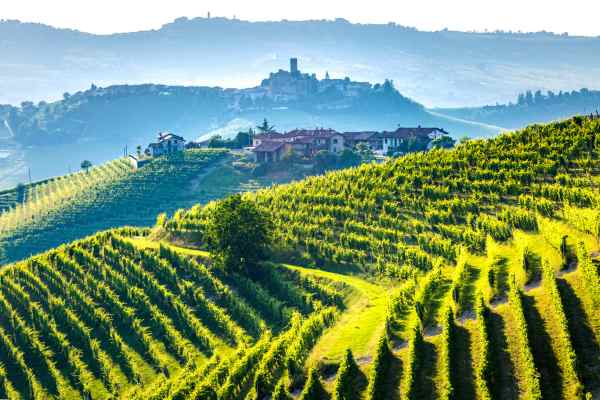
A Collector’s Guide to the World’s Most Exclusive Wine Regions For any aspirational collector, the appeal of fine wine extends well beyond the bottle. What makes wine compelling is its story, its terroir, and the legacy of the region from which it originates. At Vintage Cellar, we understand that one of the most profound rewards in curating a world-class cellar involves not only selecting the finest wines but also appreciating the unique characteristics of the regions that produce them. In this comprehensive guide, we’ll take you through what we consider to be the world’s most exclusive wine regions, all celebrated for their exceptional quality, rarity, and history.     Bordeaux, France: The Pinnacle of Prestige Bordeaux wine has long been synonymous with luxury and excellence. As one of the most renowned wine regions globally, Bordeaux is home to some of the most prestigious vineyards and estates, including Château Margaux, Château Lafite Rothschild, and Château Latour. These legendary names are celebrated for their historical significance and unparalleled quality.   The Art of Bordeaux Blends Bordeaux is famous for its blends, particularly those that combine Cabernet Sauvignon, Merlot, and Cabernet Franc. The region’s terroir—considered the ideal combination of soil, climate, and topography—results in wines that are rich, complex, and capable of ageing for decades. Investing in Bordeaux wines is often considered a safe bet as they tend to appreciate in value over time.     Burgundy, France: Refined & Elegant Burgundy is one of the most refined and elegant wine regions in the world. Known for its Pinot Noir and Chardonnay, Burgundy produces wines that are both delicate and powerful. The region is divided into a patchwork of small vineyards, many of which are classified as Premier Cru or Grand Cru, designations that indicate the highest quality.   The Appeal of Terroir-Driven Wines Burgundy’s emphasis on terroir makes each vineyard unique. Collectors often feel an affinity to specific vineyards, such as Domaine de la Romanée-Conti, which produces some of the most sought-after and expensive wines in the world. For those who place a premium on finesse and subtlety, Burgundy offers a treasure trove of exquisite wines that are as much a pleasure to drink as they are to collect.   Napa Valley, USA: The Vanguard of New World Wine Napa Valley is the crown jewel of American wine regions, earning its ranking among the world’s elite thanks to its exceptional Cabernet Sauvignons and innovative winemaking techniques. With a reputation for producing bold, full-bodied wines, Napa Valley has become synonymous with New World excellence.   Iconic Estates and Limited Productions Napa’s exclusive vineyards, such as Screaming Eagle, Harlan Estate, and Opus One, are known for their limited production and high levels of demand. These wines often come with waiting lists and are auctioned at premium prices, making them highly desirable bottles among collectors.     Tuscany, Italy: The Heart of Italian Heritage With its rolling hills and sun-soaked vineyards, Tuscany is the birthplace of some of Italy’s most iconic wines. From the powerful Brunello di Montalcino to the sophisticated Chianti Classico, Tuscany’s wines are deeply rooted in tradition and history.   The Super Tuscans: A Modern Classic In the 1970s, a group of innovative winemakers in Tuscany began producing what are now known as ‘Super Tuscans’. These wines, including Sassicaia and Tignanello, blend traditional Sangiovese with international varieties like Cabernet Sauvignon and Merlot, breaking away from traditional Italian wine classifications.   Champagne, France: An Icon of Celebration No luxury wine collection is complete without a selection of Champagne. The Champagne region in northeastern France is the only place in the world legally allowed to produce the iconic sparkling wine.   Prestige Cuvées: The Cream of the Crop Champagne houses like Dom Pérignon, Krug, and Louis Roederer produce Prestige Cuvées—top-tier Champagnes made from the finest grapes and vineyards. These limited-release bottles are highly desirable for their complexity, longevity, and association with luxury.   The Douro Valley, Portugal: The Hidden Gem You Need to Know Although often overshadowed by its more famous counterparts, the Douro Valley in Portugal is a hidden gem. Known primarily for its Port, the region is now gaining recognition for its robust, full-bodied red wines.   Vintage Port: Made to Last Vintage Port, made only in exceptional years, is highly prized by collectors. These wines age beautifully over decades, offering concentrated flavors and a connection to a single extraordinary harvest.   Conclusion: Crafting a Collection with Vintage Cellar Assembling a collection that includes bottles from the world’s most desirable wine regions is a journey of discovery, passion, and patience. At Vintage Cellar, we’re dedicated to helping you build a collection that reflects your taste and the world’s finest winemaking traditions. Whether you find yourself drawn to the elegance of Burgundy, the boldness of Napa Valley, or the tradition of Tuscany, our expert advisors are here to guide you. We’ll help you uncover the hidden gems and iconic labels that will make your collection truly prestigious. Take a trip around the world’s most desirable regions with Vintage Cellar. Contact us today for a personalized consultation.

Read More »
different wine bottles

Ready To Curate A World-Class Wine Cellar?

The Vintage Cellar Guide for Discerning Collectors In the world of luxury, there are few things that give us greater pleasure than a thoughtfully curated wine and spirits collection. Much more than just an exercise in asset acquisition, wine cellars represent a story, a journey, and a legacy that will be enjoyed for generations to come. At Vintage Cellar, we recognize the time, patience, and vision required to build a world-class collection that reflects your taste and passion, and we’re here to help you.   Getting The Foundations Right: Quality Over Quantity When you’re starting out, quality rather than quantity should be your focus. A collection that will last the test of time begins with standout bottles — anything with an interesting background, rarity, and history will elevate your cellar. Big names like Château Lafite Rothschild, Pappy Van Winkle, and The Macallan are popular choices for collectors. These bottles are valued not just for their flavor profile but also for their provenance, and therefore their potential as investments.     Why Provenance Matters Provenance, or the documented history of a bottle, is a crucial component in any thriving collection. Knowing the origins, previous ownership, and storage conditions of a wine or spirit ensures its authenticity and can significantly enhance its value. At Vintage Cellar, we prioritize acquiring bottles from trusted sources and auctions where their history is transparent and verifiable.   Diversification: The Secret to Building a Balanced Collection Variety is the spice of life, and your cellar is no different. A world-class collection needs to include a diverse selection of categories and regions, and of wines and spirits. Some bottles should be ready to drink soon, and others laid down for some point in the distant future. In short – diversification is key to balancing your cellar. As with all investments, it also helps to mitigate risk.   Fine Wines: Old World vs. New World Old World wines, from places like Bordeaux, Burgundy, and Tuscany, are known for their heritage and ability to age beautifully. In contrast, New World wines from regions like California, Australia, and South America offer modernity and innovation. Irrespective of origin, each bottle should reflect the land and winemaking traditions behind it, adding variety and depth to your collection – and ideally, a well-curated collection should include a mix of both Old World and New World wines.     Luxury Spirits: Whisky, Cognac, and Beyond Whisky and cognac can be the cornerstones of a well-rounded cellar, and rare rums, gins, and tequilas make valuable additions too. Limited editions and bottles from discontinued distilleries can also add significant value. Japanese whiskies like Yamazaki and Karuizawa have become highly sought after for their craftsmanship and rarity – an interesting proposition for any serious collector.   The Role of Vintage Cellar: Expert Guidance and Concierge Service Curating a world-class wine collection is an ongoing process that requires expertise, patience, and a deep understanding of market trends. This is where Vintage Cellar comes in. Our concierge service is equipped to meet your needs, offering guidance, advice, and support to discerning individuals over the long term.   Personalized Curation and Acquisition At Vintage Cellar, we begin by getting to know you – your tastes, preferences, and investment goals. Whether you’re interested in growing an existing collection or starting from scratch, our team of experts will provide personalized insights and recommendations that help you realize your goals. We have access to exclusive auctions, private collections, and limited releases, as well as some incredible relationships with winemakers. In short, we’ve got the tools and access to help you turn your cellar into something extraordinary.   Storage and Preservation: Protecting Your Investment Proper storage is essential for preserving the integrity and value of fine wines and spirits. We offer state-of-the-art storage solutions that maintain optimal temperature, humidity, and light conditions as well as specialist handling and insurance policies. Whether you prefer to store your collection in a private cellar or a bonded off-site facility, we make sure your investment is protected and maintained to the highest standards.   Investment Opportunities: Turning Passion into Profit A considered collection is not just a source of pride, it can be a lucrative investment too. As demand for rare and vintage bottles continues to grow, so does their market value. Our advisors closely follow market trends to be able to advise collectors on when to buy, sell, or hold bottles to maximize returns.   In Conclusion: A Legacy in Every Bottle Building a world-class wine and spirits collection is a rewarding practice that combines passion, knowledge, and a thirst for discovery. For our collectors, it’s about more than just owning rare bottles – it’s about creating a legacy that will be appreciated for generations to come. At Vintage Cellar, we’re here to help you curate a cellar that reflects your unique tastes and aspirations. Whether you’re a connoisseur or just beginning on your journey, our concierge service is here to support you every step of the way. Let us help you turn your passion into a world-class asset that will be cherished for years to come. Discover more about curating your collection with Vintage Cellar. Contact us today for a personalized complimentary consultation.

Read More »
Telmont

Telmont Introduces World’s Lightest Champagne Bottle

As a cornerstone of fine wines, Vintage Cellar has always prided itself on offering a diverse, sustainable, and globally curated selection. Today, we’re thrilled to introduce our valued customers to a revolutionary brand that’s shaking up the champagne industry – Telmont. A remarkable blend of eco-conscious luxury and timeless tradition, Telmont is reshaping the narrative around green champagne and sustainable wine practices. Telmont Unveils World’s Lightest Sustainable Champagne Bottle Telmont’s quest for sustainability doesn’t merely rest on their production process. The brand has embarked on a game-changing journey, creating the lightest champagne bottle in the world. This revolutionary design substantially reduces CO2 emissions during production and transportation, thus contributing to a smaller carbon footprint. It’s through innovations like these that Telmont is paving the way for a new era of sustainable wine practices.     When Star Power Advocates for the Planet Further underscoring Telmont’s commitment to sustainability is their recent partnership with globally renowned actor and environmental activist Leonardo DiCaprio. Investing in and endorsing Telmont, DiCaprio, known for his staunch advocacy for environmental issues, heralds a new dawn for champagne for the planet. This alliance symbolizes the bond between star power and the increasingly relevant trend of eco-conscious luxury.   Beyond the Bubbles Telmont’s Confluence of Taste and Conscience: However, Telmont is not merely about the glamour of Hollywood or its innovative green initiatives. At its heart, it is a champagne house committed to producing the finest bubbles. Telmont’s champagnes are celebrated for their exquisite taste, intricate balance, and sublime depth. These exceptional qualities, combined with a dedication to organic farming and reducing the brand’s carbon footprint, make Telmont a true champion of champagne with a conscience.   Experience the Revolution Telmont’s Green Champagne at Vintage Cellar.   We, at Vintage Cellar, could not be more excited to bring you the incredible opportunity to taste and treasure Telmont’s champagne. Embrace the revolutionary concept of green champagne that does not compromise on taste.  

Read More »
people drinking wine

Fine Wine as Wealth Preservation

Investing in wine can be a thrilling and lucrative adventure, and having the right knowledge and guidance can make all the difference. Fortunately, Vintage Cellar offers expert advisors who can provide valuable insights and support to help you succeed in the wine investment market. The wine industry is complex and constantly evolving, but with our professional guidance, you can navigate this market with confidence and achieve your investment goals.   Portfolio diversification is key when investing in wine. By investing in a range of wines from different regions, vintages, and grape varieties, you can mitigate your risk and maximize your potential returns. Our expert advisors at Vintage Cellar can help you identify high-quality wines with strong growth potential and build a diversified portfolio that aligns with your investment goals. Whether you’re interested in Bordeaux, Burgundy, or other regions, our team has the expertise and access to exclusive collections to help you invest in the finest wines.     At Vintage Cellar, we offer En Primeur wines as part of our investment services. En Primeur refers to the practice of buying wines while they’re still in barrel, before they’re bottled and released to the market. This can be a smart investment strategy, as En Primeur wines are often sold at a discount to their potential future value. Our expert advisors can provide guidance on En Primeur wines and help you identify the best opportunities for investment. As a result, you’ll be able to access some of the world’s most sought-after wines before they become available to the general public.   We understand that investing in wine can be a complex and sometimes overwhelming process, which is why we offer a free consultation to help you get started. Our advisors will take the time to understand your investment goals, risk tolerance, and preferences, and develop a customized investment plan that meets your needs. We’ll provide guidance on wine selection, portfolio diversification, and En Primeur opportunities, and answer any questions you may have about the investment process. With our luxurious services, you can sit back, relax, and enjoy the benefits of wine investment.

Read More »
whiskey bottles

Building a Whisky Collection: House of Hazelwood

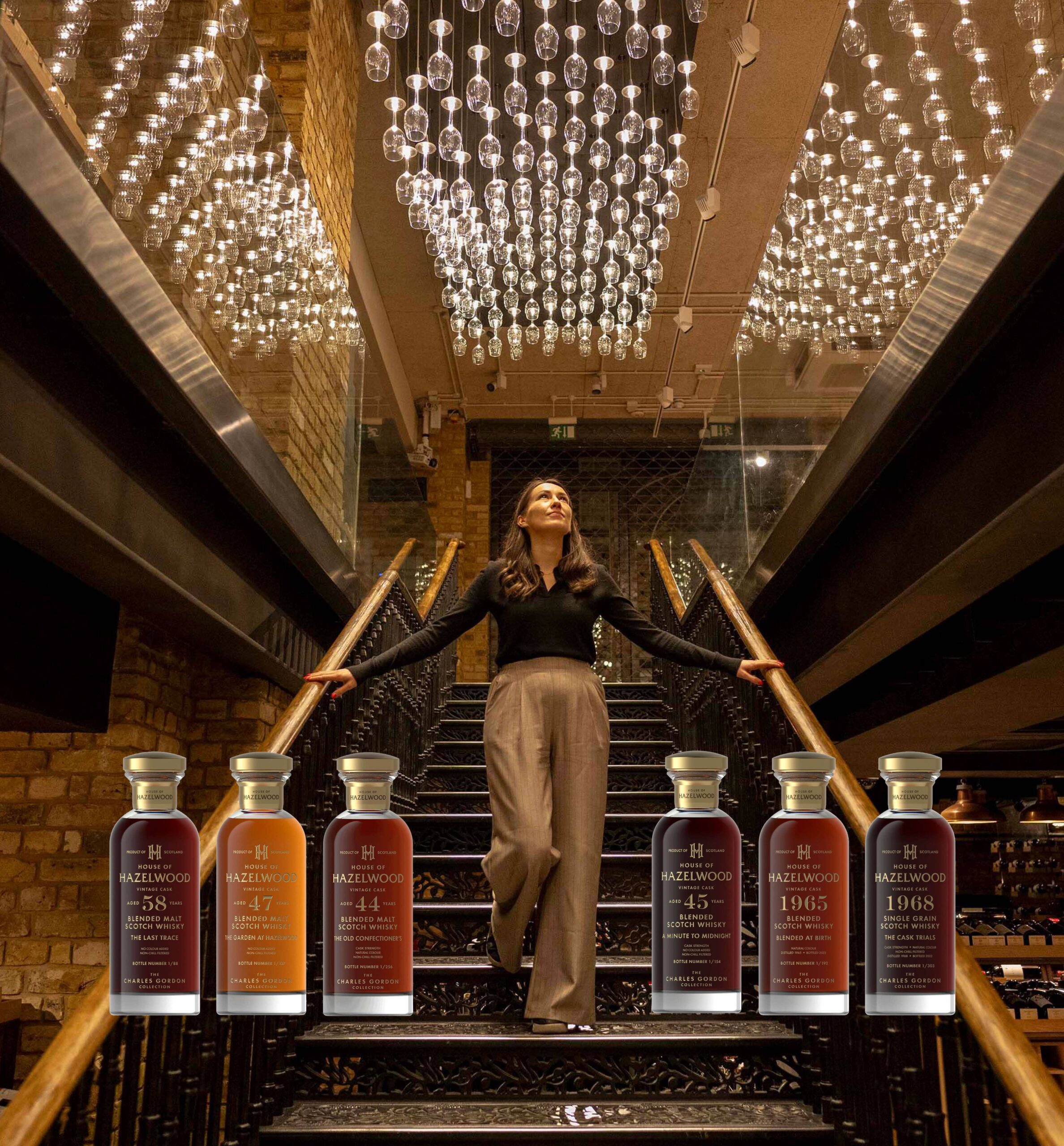
Vintage Cellar has partnered with esteemed House of Hazelwood to access the Gordon family’s private collection of aged Scotch whiskies to its connoisseur customers. This alliance brings together Vintage Cellar’s expertise as fine wine specialists with House of Hazelwood’s legacy of crafting some of the world’s rarest whiskies. If you’re eager to start or enhance your whisky collection, explore our guide on how to curate the perfect selection. ‍ How to Build a Whisky Collection A whisky collection oft begins organically – amassing bottles on our worldly adventures, mementos of an enjoyable experience or perhaps a gift from a loved one. But, when it comes to acquiring a curated selection of luxury Scotch Whisky, the upfront investment involves some weighty consideration. The world of rare whisky is diverse. From private cask investment to distillery-exclusive whiskies, the scope of choice can leave even a seasoned connoisseur feeling more than a little overwhelmed. What makes a bottle rare – and moreover, what makes it worth the personal investment? We look at the key features to be mindful of when appraising a prospective bottle. Rarity The motivations for collecting whisky can vary – from taste, to obtaining a particular vintage or age statement to celebrate a landmark moment. But, when considering well-aged Scotch Whisky, there are certain tell-tale signs that can indicate the rarity of the expression in question. Are there many bottles readily available? A single cask, or highly aged whisky is unlikely to have an excessive number of siblings. Consider the outturn of the expression you are considering as an indicator of rarity – for instance, just 209 bottles exist of The Accelerator and The Brake, a 33-Year-Old Blended Scotch Whisky, an expert blend made in tribute to whisky pioneers, Charles and Sandy Gordon – a true piece of distilling history. Another consideration on rarity is the question of whether a whisky could be replicated today – and in the instance of some rare Scotch whiskies, this would simply not be possible due to distillery closures. The Lost Estate, a 43-Year-Old Blended Grain Scotch Whisky, is a shining example of this – a rich release, combining grain components from two, now-closed distilleries – rare in its point of origin, but even rarer in its blending. During our special Whisky & Cigar pairing event held at House of Grauer, Geneva – April 2024. Provenance The provenance of a whisky in itself can elevate its rarity, and in turn make a compelling purchase for a suitably stocked rare whisky collection. Even although blends offer component parts from many whisky regions and distilleries, purveyors of rare whisky should always be able to offer insight into the origins of the blend. What kind of cues should I look for? Any whisky maker should be able to go into detail about how a whisky came to be blended, or the unique circumstances on how it was crafted – for instance, in the case of Blended At Birth, a 1965 Vintage Blended Scotch Whisky, the origins can be traced to whisky making methods, involving the blending of new make, which are no longer in use today due to Scotch Whisky legislation – making it most likely the first, and very last of its kind, a rare treasure indeed. Distinction Beyond regional provenance and even whisky making style, whiskies which offer unique and interesting stories can be representative of pivotal moments in Scotch and broader history, making them a compelling addition to any whisky collection. A fine example of this is the Spirit of Scotland, a 46-Year-Old Blended Scotch Whisky, that could be considered the embodiment of its name. Originally blended in 1994 to commemorate the 500th anniversary of the oldest recorded reference to Scotch, a small, select parcel was side lined for a secondary maturation of 28 years, becoming one of the few remaining relics of a momentous national celebration. Trust With many rare whiskies, liquid outturn is so scarce that samples are rarely readily available. For this reason, many collectors will need to turn to authoritative figures to help assess the quality of a whisky they are considering adding to the collection. Where can I find third-party endorsement? Opinion leaders and influencers may be able to offer solid insight and consulting reputable publications is also a great place to start. A quick search can yield instant results – for instance, this excerpt from respected journalist Joseph V Micallef, writing for Forbes, shared his insight on the House of Hazelwood range: “The inaugural release of House of Hazelwood’s whiskies is outstanding. Pity that some of these experiments didn’t see the light of day until now. The quantities are limited, and it’s inevitable that once the initial release quantity is exhausted, you’ll never have another chance to acquire these whiskies, except perhaps at sharply higher prices on the secondary auction market. These whiskies are a priceless and irreplaceable bit of Scotch whisky history. Grab a taste if you can. You won’t have a second chance!” Prestigious awards by authoritative publications such as Whisky Magazine, can also confirm the quality within – for instance, The Lowlander, a 36-Year-Old Blended Scotch Whisky, which was recognized with the Whisky Magazine Editor’s Choice Award (Issue 198), described by judges as “a complex and beautifully balanced old blend.” This event was jointly hosted by Phil Keene, Commercial Director at HOH and Johnny Modawar, Head of Operations at VC. Diversity If you’re likely to favor a particular style of Scotch within your whisky collection, take the opportunity to explore the diversity of flavor that highly aged whisky can offer. For instance, Speyside-lovers will be pleasantly surprised by the presentation of Sunshine on Speyside, a 39-Year-Old Blended Malt Scotch Whisky, which as the name suggests is composed entirely of Speyside components. Unlike its peers, it steps away from the meaty, sulphuric, and heavily sherried style typically associated with the region – instead, the palate is remarkably bright and tropical, presenting notes of charred fruit and fresh pineapple – making it a highly unusual and

Read More »

SPECIAL OFFER

Ready to dive into the world of fine wine?
20%
OFF

on your first acquisition


Enter your email to hear from our wine experts


Follow us

Download our app

Enjoy 20% OFF on your first acquisition
barrel logo

Cellar Plans 2025

Unveil Our Exquisite Cellar Plans for 2025: Curated Wine Packages Just for You! .no-hover-glow { text-decoration: none; /* Removes underline */ color: inherit; /* Inherits the color from the parent element */ } .no-hover-glow:hover { color: inherit; /* Ensures no color change on hover */ text-decoration: none; /* Prevents underline on hover */ box-shadow: none; /* Removes any glow or shadow effect */ }

Enjoy 20% OFF on your first acquisition