Bordeaux 2015 Vintage Guide: Spectacular Secrets
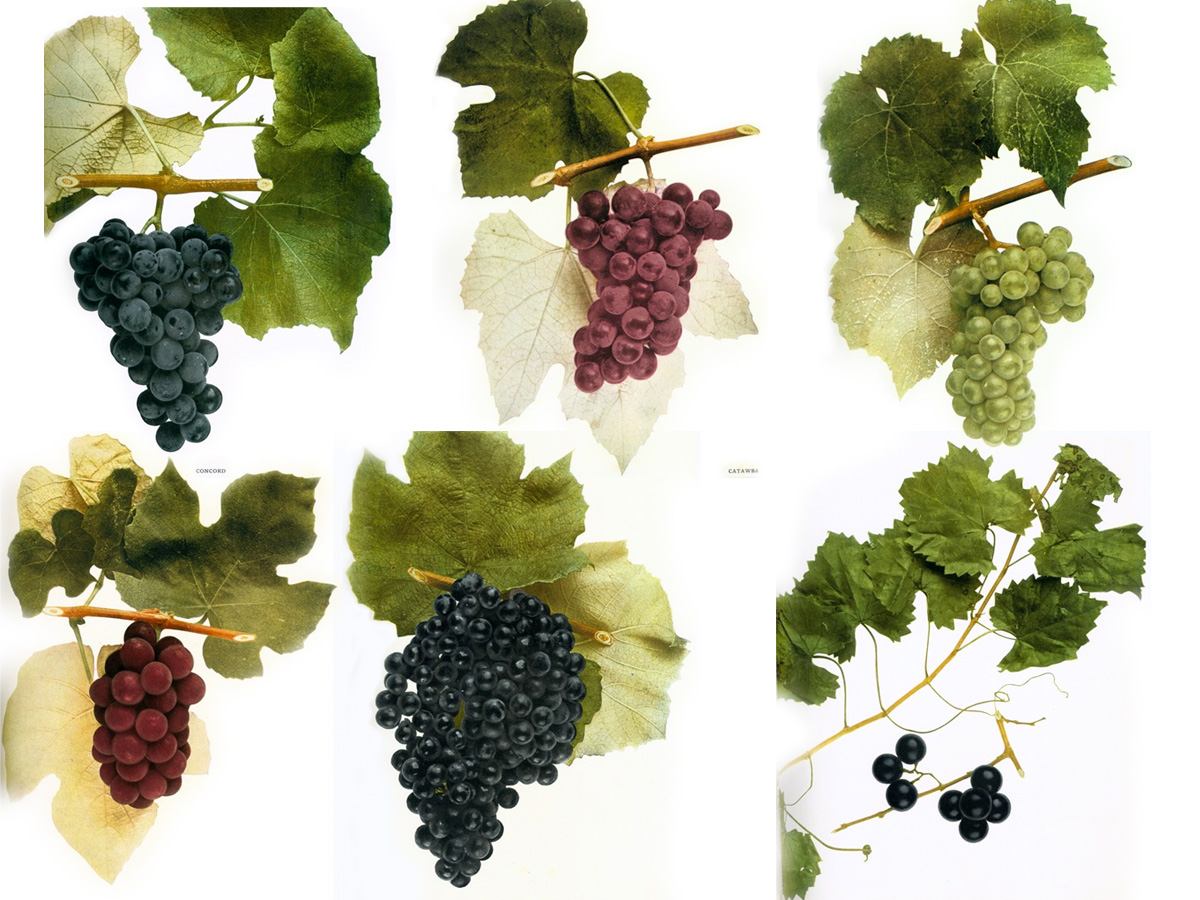
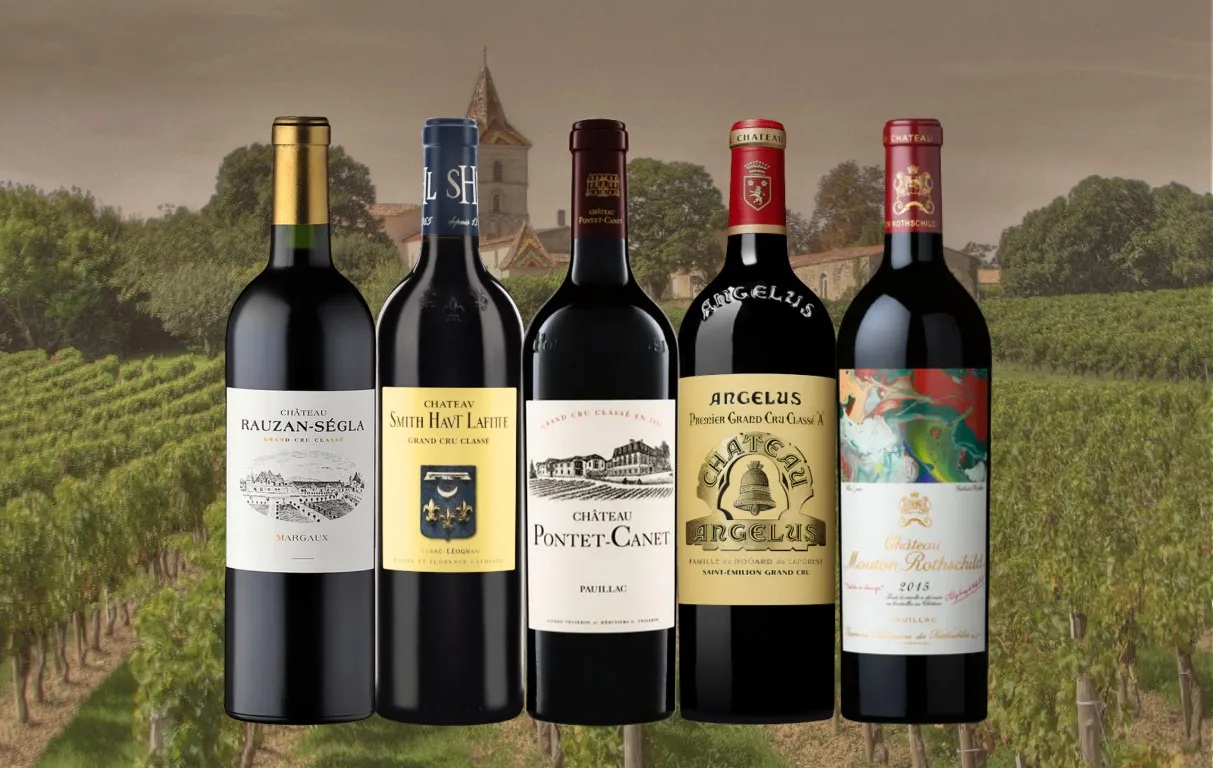
Bordeaux 2015 Vintage Guide: 7 Spectacular Investment Secrets The world of fine wine collecting is punctuated by legendary vintages years when the confluence of weather, terroir, and human skill creates wines of lasting power and enduring value. The 2015 Bordeaux vintage is one such year. Hailed by critics as a return to form for the region, this vintage offers collectors a rare opportunity to acquire powerful, age-worthy wines that are already proving to be stellar investments. For those serious about wine collecting 2015 is an essential benchmark. It provides a unique blend of quality and availability that makes it a must-have for both seasoned investors and those just starting to build their cellars. Understanding the nuances of this specific year is critical to making shrewd acquisitions. This Bordeaux 2015 vintage guide deconstructs the key secrets, regions, and châteaux you need to know. At Vintage Cellar, we specialize in sourcing and managing assets from the best Bordeaux vintages. Our analysis of the Bordeaux 2015 vintage guide is your blueprint for success, ensuring that every bottle you acquire maximizes its 2015 Bordeaux collectibility potential. The Weather Report: Why 2015 Bordeaux Wine Quality is So High The secret to any great Bordeaux Wine is always the climate. The Bordeaux 2015 weather report tells the story of near-perfect conditions that delivered a harvest with exceptional ripeness and structure, leading to consistently high Bordeaux 2015 wine quality across both banks. The Perfect Balance: Bordeaux 2015 Weather Report Breakdown The Bordeaux 2015 weather report was defined by two critical factors: A Hot, Dry Summer: June, July, and early August saw intense heat and minimal rain. This stress forced the vines to deepen their roots and concentrate the flavors in the grapes. This concentration is the foundation of the high Bordeaux 2015 wine quality. Timely Rain in August: Crucially, beneficial rain fell in mid-August. This relieved the water stress just enough to allow the grapes to complete their final ripening phase without shriveling, ensuring balanced acidity and excellent freshness a rare feat in such a warm year. This optimal growing season resulted in grapes with thick skins, high color concentration, and, most importantly for investors, high tannin levels that guarantee longevity. This is why wine collecting 2015 remains a focus for serious enthusiasts. The resulting wines are powerful, structured, and easily rank among the best Bordeaux vintages of the decade. Left Bank vs Right Bank 2015: The Tale of Two Triumphs While many recent vintages favored one side of the Gironde estuary over the other, the 2015 Bordeaux vintage was a success on both the Left and Right Banks, offering collectors diverse, high-quality choices for Fine wine 2015. However, the stylistic difference remains crucial for wine collecting 2015. Left Bank vs Right Bank 2015: Structural Prowess vs. Luscious Power The key distinction lies in the dominant grape and the resulting structure: Left Bank (Cabernet Sauvignon Dominant): The gravel soils produced powerful, highly tannic wines. Critics love the Pauillac 2015 rating, and wines from Saint-Estèphe and Margaux are equally acclaimed. The wines are dense, deep, and built for the long haul. The Left Bank vs Right Bank 2015 comparison shows the Left Bank excelled in concentration. Right Bank (Merlot Dominant): The Merlot, which thrives in the clay and limestone of Pomerol and Saint-Émilion, achieved spectacular ripeness. This resulted in plush, generous, and opulent wines. The Saint-Émilion 2015 review often highlights the velvety texture and rich, dark fruit. Understanding the Left Bank vs Right Bank 2015 dynamic allows collectors to strategically acquire both power (Left) and immediate pleasure (Right) from the 2015 Bordeaux vintage. We advise our clients at Vintage Cellar to balance their cellars by acquiring top examples from both sides. Best Bordeaux 2015 Wines: Identifying the Top-Rated Tier The market for the best Bordeaux 2015 wines is highly stratified. While quality was high overall, specific châteaux excelled, setting the standard for Bordeaux 2015 wine quality. Investors must focus on these top-rated Bordeaux 2015 properties. Focusing on First Growths and Premier Cru The First Growths (Mouton Rothschild, Lafite Rothschild, Latour, Haut-Brion, and Margaux) and the Super Seconds consistently produced the best Bordeaux 2015 wines. These wines are the benchmark for 2015 Bordeaux collectibility and command the highest prices. Pauillac 2015 Rating Highlights: Châteaux in Pauillac a Left Bank powerhouse received exceptional scores. The Pauillac 2015 rating for its top estates suggests a vintage of immense concentration and cellar potential. Saint-Émilion 2015 Review Consensus: The Saint-Émilion 2015 review was equally glowing, praising the rich, powerful, yet graceful Merlot-driven wines. These best chateaux of 2015 Bordeaux are essential acquisitions for a serious portfolio. The top-rated Bordeaux 2015 bottles are those that will show the greatest appreciation over the next 10 to 20 years. Acquiring these highly-rated assets is a fundamental strategy for 2015 Bordeaux investment analysis. Grapes and Blending: The Art Behind the Bordeaux 2015 Wine Quality The high Bordeaux 2015 wine quality is a direct result of meticulous vineyard management and the traditional art of the blend. To truly understand the Bordeaux 2015 vintage guide, one must appreciate the role of each grape. Bordeaux 2015 Grapes and Blending Secrets The key Bordeaux 2015 grapes and blending components are: Cabernet Sauvignon: Thrived on the Left Bank. Its thick skins and high tannins provided the structure, color, and aging potential. Merlot: Achieved full, glorious ripeness on the Right Bank. It brought the soft, plush mid-palate and rich, dark fruit flavors. Cabernet Franc: Crucial for many Right Bank blends (especially Saint-Émilion), adding aromatic complexity, spice, and freshness. The genius of Bordeaux 2015 grapes and blending lies in how the winemakers used the perfectly ripe Merlot to enhance the structure of the Cabernet, resulting in rich, complex wines that are surprisingly approachable, even in their youth. This perfect marriage solidified the reputation of the 2015 Bordeaux vintage. This attention to the Bordeaux 2015 grapes and blending process is why our Bordeaux 2015 vintage guide is so focused on the region-specific successes. Investment Analysis: 2015 Bordeaux Collectibility and Financial Potential The true value