Fine Rare Wine: The Most Elite Liquid Legacy Roadmap
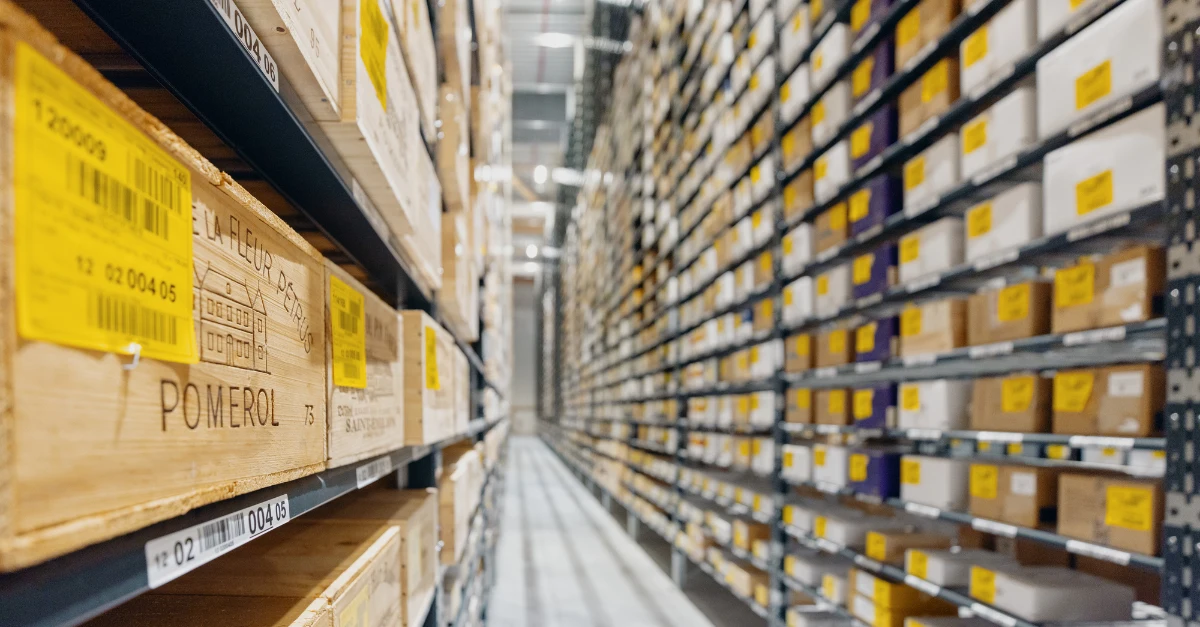
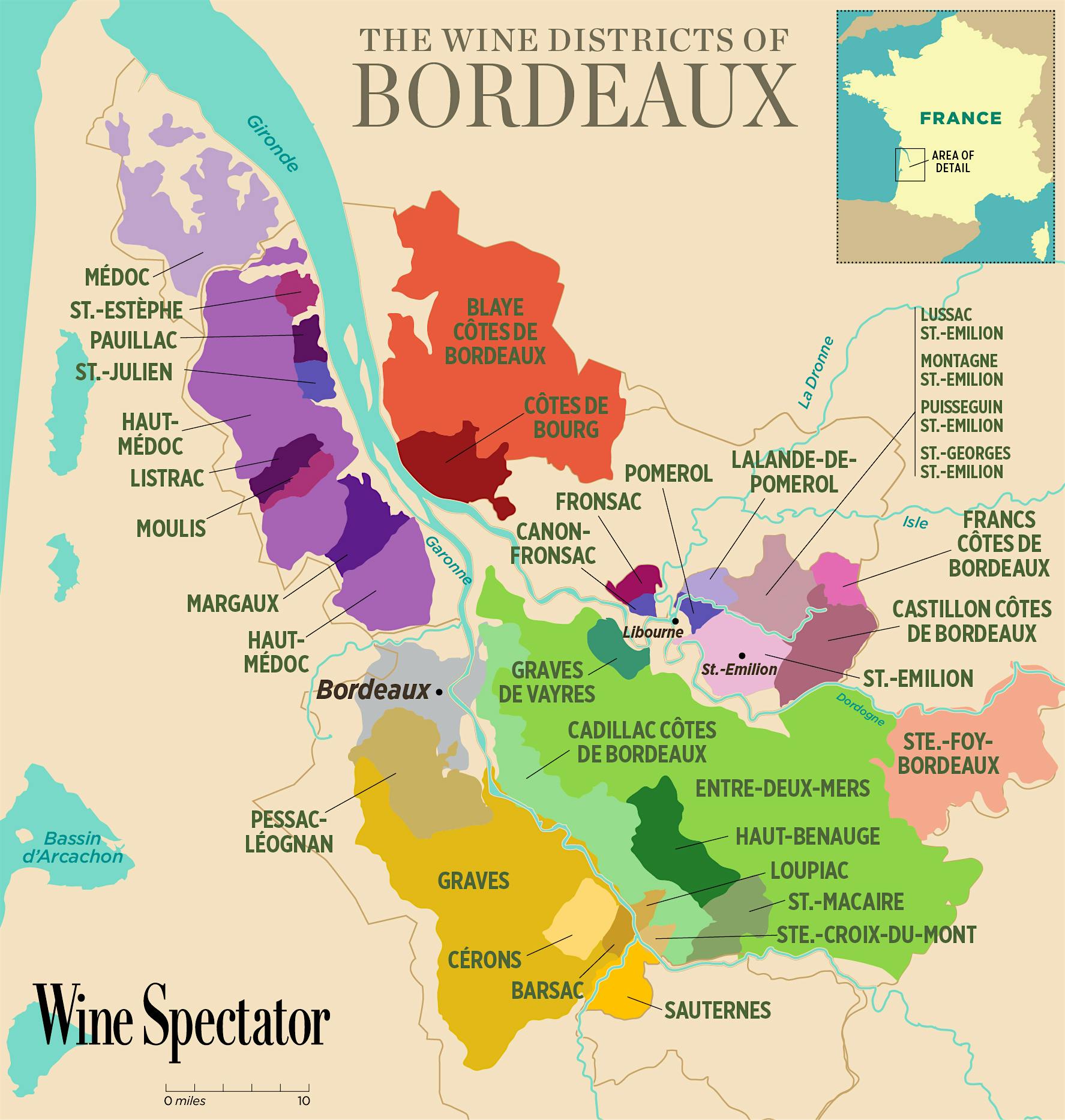
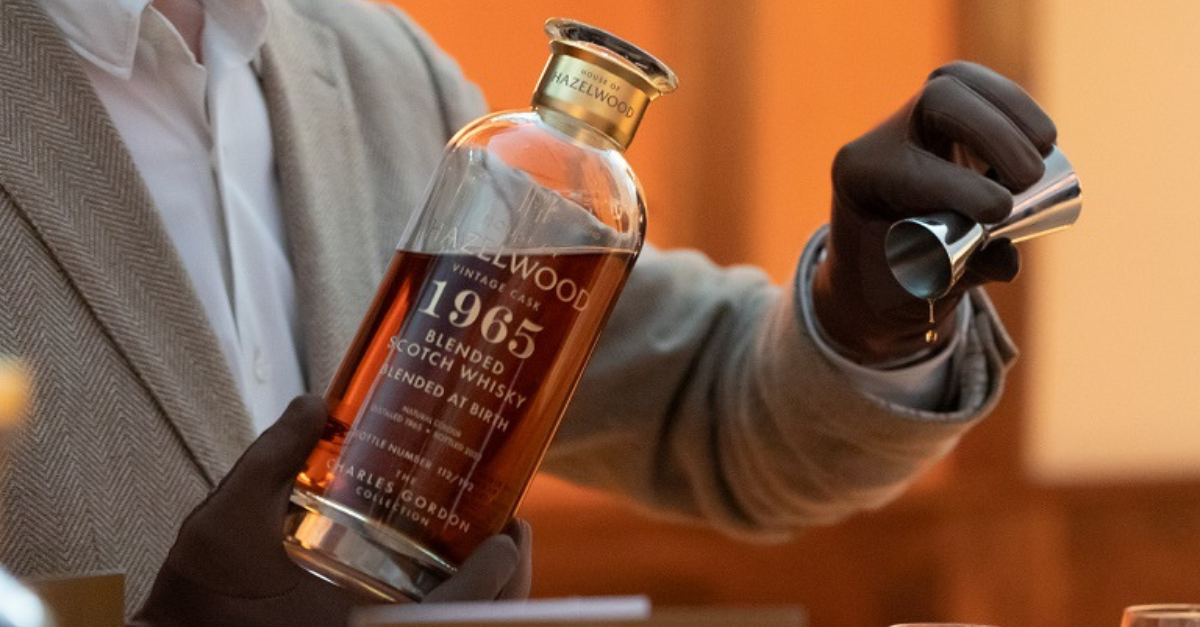
Rare Spirits Collection: Diversifying Your Liquid Legacy The pursuit of a fine rare wine is often the first step in a lifelong journey of curation and discovery. For many, what begins as a curiosity regarding a single bottle of Grand Cru Classé evolves into a sophisticated endeavor of asset management and heritage building. In 2026, the landscape of luxury collecting is shifting toward a more integrated approach, where the boundaries between the world of viticulture and the realm of ultra-aged spirits are becoming increasingly fluid. At Vintage Cellar, we believe that a truly robust portfolio must reflect this evolution, blending the historical weight of the vine with the enduring legacy of the still. To create a “liquid legacy” is to look beyond the immediate pleasure of the glass and consider the long-term stewardship of value. This requires a transition from being a simple enthusiast to becoming a disciplined curator of a fine rare wine portfolio. Whether you are navigating the intricate vintage wine market or looking to explore the burgeoning opportunities in rare whiskies, the foundational principles remain the same: authenticity, provenance, and strategic diversification. The State of the 2026 Vintage Wine Market Entering 2026, the vintage wine market is characterized by a “return to stability” following the turbulent price corrections of the early 2020s. Investors are no longer chasing speculative “hype” bottles; instead, they are focusing on “Blue Chip” labels that offer proven resilience and long-term capital preservation. This disciplined approach is essential when selecting a fine rare wine that will anchor a collection for decades. Current indices, such as the Liv-ex Fine Wine 100, show that Bordeaux and Burgundy continue to dominate the trade, representing approximately 80% of top performers. However, the definition of a “complete” collection is broadening. Today’s high-net-worth individuals are increasingly engaging in private cellar advisory sessions to understand how to balance their holdings across regions, styles, and asset classes. This holistic view is the hallmark of a modern collector who understands that a fine rare wine is not just a beverage, but a structured financial instrument. Navigating the Pillars: Bordeaux and Burgundy For many, the core of any fine wine collection is built upon the storied estates of France. Understanding the best years for bordeaux is a technical requirement for any serious investor. The 2015, 2016, and 2022 vintages have emerged as modern benchmarks, with the 2022 vintage being hailed by some critics as “the greatest of the century” due to its incredible concentration and tannic structure. When assessing a potential acquisition, one must pay close attention to bordeaux wine vintage ratings. These metrics provide a standardized language for quality, helping collectors navigate the “flattening of the hierarchical pyramid” that sometimes occurs in exceptional years. Whether you are looking for the muscular swagger of Pomerol or the precision of the Saint-Emilion limestone plateau, these ratings serve as a critical guide for a fine rare wine strategy. In Burgundy, the search for the best vintage burgundy wines is driven by extreme scarcity. Production levels in the Côte d’Or are notoriously low, and in years like 2023 and 2024, yields were even more restricted. This scarcity makes the fine rare wine from producers like Domaine de la Romanée-Conti (DRC) or Domaine Leroy almost “permanent” in their value. At Vintage Cellar, we assist our clients in gaining access to these elusive allocations through our global producer network sourcing, ensuring that every bottle is acquired with impeccable provenance. Expanding the Horizon: Rare Spirits and Aged Scotch Diversification is the key to risk management. While a fine rare wine remains the bedrock of most cellars, the inclusion of an aged scotch whisky segment has become a strategic priority for elite collectors. The rare spirits sector has consistently outperformed many traditional asset classes over the past decade, with the Rare Whisky Index seeing increases of over 400%. A significant development in this space is our partnership with the Gordon family and the House of Hazelwood. This collaboration provides our members with unprecedented access to some of the world’s rarest and most historically significant whiskies. These are not mere commercial releases; they are “liquid gold” drawn from private reserves that have matured for 30 to 60 years. The Pursuit of a Fine Rare Win In the high-stakes world of auctions and private sales, achieving a fine rare win is about more than just having the highest bid. it is about having the intelligence to identify undervalued assets and the patience to wait for the right entry point. Whether it is a specific lot of rare wine bottles or a first-release of a new House of Hazelwood batch, the successful collector relies on data-driven strategies rather than impulse. Building a whisky collection requires a different set of considerations than wine. Unlike wine, whisky does not mature in the bottle, but its value is driven by the “Angel’s Share” the evaporation that occurs over decades in the cask, making the remaining spirit increasingly concentrated and rare. When you engage in rare spirits acquisition, you are buying time itself, captured in European oak. Strategic Sourcing and Global Networks To secure these treasures, a vintage wine store must operate more like a private intelligence agency than a retail outlet. The global producer network sourcing employed by Vintage Cellar allows us to bypass the common market and deal directly with châteaux and distilleries. This direct relationship is the only way to guarantee the “six-step comprehensive journey” from the producer to the glass, protecting the fine rare wine from the risks of the secondary market. When considering rare spirits acquisition, the provenance of the liquid is paramount. Whether it is a bottle from a “ghost distillery” one that has long since closed its doors or a seminal moment in Scotch history, the story behind the spirit adds a layer of value that transcends simple taste. We specialize in identifying these unique narratives, helping our clients build a vintage wine collection that is both personally meaningful and financially sound. Infrastructure: Storage and Valuation The long-term value of